Cheerios Oats Nutrition Information

Let’s be real for a second: if you’ve scrolled past a single “What I Eat in a Day” video on TikTok in the last eighteen months, you’ve seen them. A perfect, golden-hued circle of oats, lounging in a glass bowl, drenched in oat milk, and topped with a concerning amount of chia seeds. We’re not talking about a niche health kick; we’re talking about the Cheerios renaissance. Yes, the cereal your dad used to crush while watching Sunday morning football has pivoted from a breakfast staple to a full-blown identity marker. It’s the uniform of the “that girl” wellness economy, the bedrock of the insufferable “5 AM club,” and the subject of a thousand breathless Instagram infographics about the microbiome.
But hold up. Before you toss your entire pantry and commit to a cardboard-colored diet, let’s unpack the nutrition label that started a thousand arguments. Is the humble Cheerio actually a superfood, or are we collectively gaslighting ourselves because it’s convenient and cheap? This isn’t just about breakfast; it’s about the culture of “clean eating” colliding with a grocery-store shelf stable. The internet has decided that Cheerios are the acceptable compromise between Froot Loops and a kale smoothie, but the nutritional reality is far juicier—and more complicated—than the marketing suggests.
We’re here to dissect the O.G. Oats with the precision of a lab technician and the snark of a group chat. We’re looking at the macros, the micronutrients, the fiber content, and the dangerously misleading “heart-healthy” claims that have turned this cereal into a legal liability and a cultural meme. Strap in, because this isn't your grandma's bowl of porridge; it's a case study in how marketing, science, and internet anxiety blend together into a very crunchy, oat-based smoothie.
Must Read
Subcultures, Snobbery, and the “Safe Food” Paradox
Welcome to the weird side of the Cheerio fandom. On one side, you have the Orthodox Wellness Influencers—the ones who treat beta-glucan like it’s a controlled substance. They measure their serving size with a food scale (28 grams, precisely), and they have melted down over the fact that regular Cheerios contain a hint of sugar. They’ve migrated to the Plain Oats or weird knock-off brands, arguing that the original is “polluted.” In contrast, we have the TikTok “Gaslighting” Brigade, who claim that eating a family-sized box in one sitting is a personality trait, citing the fact that it’s “low fat” as a free pass. These two factions are locked in a cold war, arguing in the comments about whether the soluble fiber cancels out the corn syrup solids.
But the most toxic subculture? That’s the “Heart-Healthy” Legal Loophole community. We all remember the class-action lawsuits, right? The FDA’s claim that the soluble fiber in oats could reduce cholesterol was officially approved, but the sheer volume of oats needed to replicate the clinical trial results is roughly four bowls a day. That’s a lot of oat milk. The internet has latched onto this discrepancy, spawning a million videos asking, “Does a bowl of Cheerios actually save your heart, or just your grocery budget?” The cultural shift here is that we are now hyper-aware of serving size theater. We feel virtuous because the label says 100 calories, but we pour 400. The cereal box has become a mirror for our own cognitive dissonance regarding food, and the Cheerio, with its innocent “o” shape, is the perfect vehicle for that projection. It’s the definitive “safe food” for some, and for others, it’s a symbol of performative nutrition—where the aesthetic of health matters more than the actual biochemistry.
Navigating the Oat-pocalypse Without Losing Your Abs or Your Mind
Okay, let’s get pragmatic. You want to hop on this trend, but you don’t want to become a caricature of a dietitian or end up broke from buying overpriced gluten-free versions. Here is your survival guide to the modern Cheerio landscape—navigated with the precision of a veteran investor.

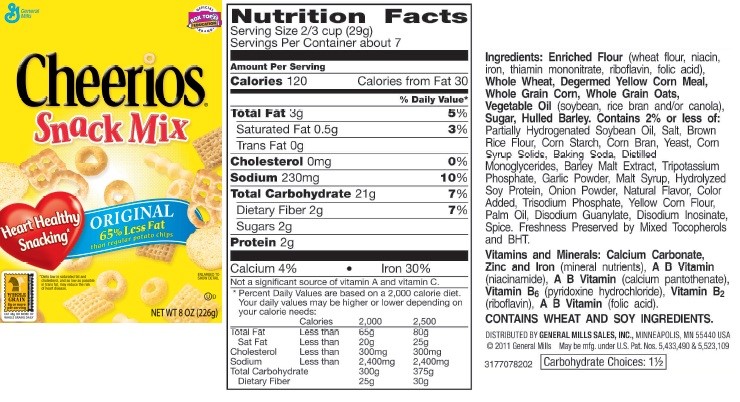
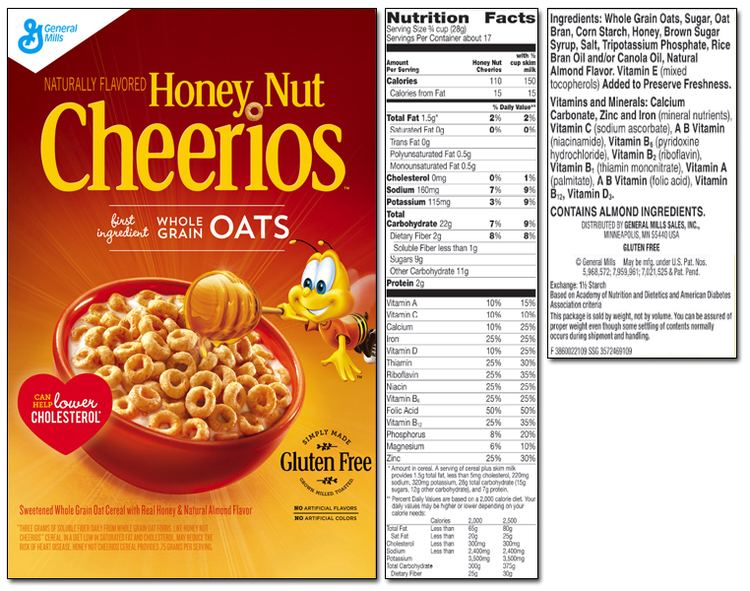
First, shelf distinction is your safety net. The original Yellow Box is the baseline. It is a “good” carbohydrate source—100% whole grain oats, 3 grams of fiber, 1 gram of sugar, and 3 grams of protein. That’s it. That’s the data. Everything else—Honey Nut, Chocolate, Frosted, the weird Banana Nut—is where the plot is lost. Honey Nut Cheerios, despite being the flavor of the masses, packs 9 grams of sugar, turning your “healthy” breakfast into dessert. If you’re trying to stay low-glycemic or avoid a crash, stick to the Original. Treat the flavored varieties like you would a McDonald's apple pie: delicious, but not a fruit. Your "healthy" social media persona lies if it tells you otherwise.
Second, reject the “Superfood” Inflation. Cheerios are not a magic pill. They are a source of soluble fiber (beta-glucan) which has been shown to help manage cholesterol, but they are not a statin. They are also made with whole grain oats, which is excellent for satiety. However, the processing they undergo means they have a higher glycemic index than steel-cut oats (the unprocessed version). If you’re eating two bowls of Cheerios on an empty stomach, you are basically telling your blood sugar to go for a rollercoaster ride. The move here is moderation and protein pairing. Add Greek yogurt, a scoop of protein powder, or a handful of almonds to the bowl. This slows down digestion, keeps you full, and prevents the 10:00 AM brain fog that makes you want to doomscroll instead of work.
Third, and this is crucial: Decouple the Nostalgia from the Nutrition. We eat Cheerios because it feels safe. It tastes like childhood. But the “Original” box is $4.99 now. Meanwhile, a bag of pure rolled oats is $2.50 and has virtually the same nutrition profile, just without the satisfying crunch. Is the convenience of a no-cook cereal worth the price per gram? If you’re rich, sure. If you’re a regular human, maybe consider buying the oat groats and blending them. But if you’re sticking with the Cheerios, remember that the “O” shape is actually genius—it increases surface area for the milk to cling to, making you feel like you have more food than you actually do. Use this psychological trick to your advantage: eat slowly, chew thoroughly, and drink the milk after—it’s loaded with the leached vitamins.

Finally, beware the “+Probiotic” illusion. General Mills has recently launched “Oat Crunch” and other variations with added prebiotics and probiotics. These are marketed as the gut-healing saviors of the century. The reality is that gut health is hugely individual, and a processed cereal is unlikely to be the vector for a microbial revolution in your colon. If you want to do something good for your gut, eat the Cheerios first, and then eat a kiwi or some sauerkraut. The cereal is the vehicle, not the destination. Keep your sanity by recognizing that health is a comprehensive suite of habits, not a single bowl of grain.
FAQ: The Internet’s Burning Questions, Decoded
Are Cheerios safe for people with Celiac Disease or Gluten Sensitivity?
This is the most contentious debate in the cereal aisle. General Mills used to claim that all Cheerios were gluten-free, but they faced severe backlash and massive recalls when cross-contamination occurred with wheat during farming. Currently, Cheerios are made with oats that are processed in a facility that handles gluten, but they use a sorting method that aims to remove gluten-containing grains. They have a “Gluten-Free” label, but they test below the FDA’s 20 parts per million limit (usually clocking in at around 1 ppm).
However, here is the catch and the reason the internet is divided: Many people with Non-Celiac Gluten Sensitivity (NCGS) still react to Cheerios. Why? Because even trace amounts of wheat can trigger a response, but also because oats contain a protein called avenin, which is structurally similar to gluten. For a small percentage of celiacs, this protein is just as inflammatory. So, while they are technically GF by legal standards, they are not safe for everyone. The pragmatic advice from the consensus is: if you are severely celiac, opt for certified gluten-free oats from a dedicated facility (like Gluten-Free Oats brand) rather than Cheerios, because the risk of cross-contact, although small, is not zero.
Is the “Heart-Healthy” claim actually a scam?
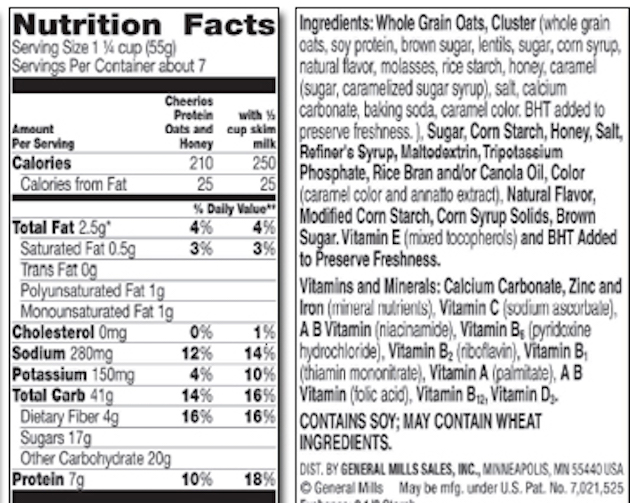
It’s not a scam, but it is a masterclass in statistical spin. The FDA allows food companies to use the “heart-healthy” claim when a food contains at least 0.75 grams of soluble fiber per serving. A serving of Cheerios (1 cup) contains about 1 gram of soluble fiber. The clinical trials that supported this claim used around 3 grams of beta-glucan daily, which is effectively three bowls of Cheerios a day—or 300 calories just in cereal, before milk. So, the claim is technically accurate, but the implication is that eating one bowl will magically clear your arteries.
That’s not how it works. The FDA’s claim is about the potential to reduce cholesterol as part of a diet low in saturated fat and cholesterol. It is a conditional correlation, not a causation. The label is a marketing tool that leverages a legal loophole. To actually see a meaningful impact on your LDL levels, you would need to consume that hefty amount and also change the rest of your diet. So, is it a scam? More like an optimistic simplification. It’s not harmful; it’s just severely overestimated by the average consumer who grabs a box hoping to overnight-fix a lifelong bacon habit.
Why is the oat content different in other countries? Does it matter?
This is the “Food Tourism” dilemma. If you buy Cheerios in the UK or Australia, the recipe is different. They are often made with whole grain wheat and less oat flour, or they swap the sugar for different sweeteners. Why? Because General Mills owns the brand globally, but they tailor the recipe to local taste buds and, more importantly, to local ingredient costs. The US version uses a higher percentage of corn starch and oat flour, whereas the UK version might have more wheat. Does it matter nutritionally?
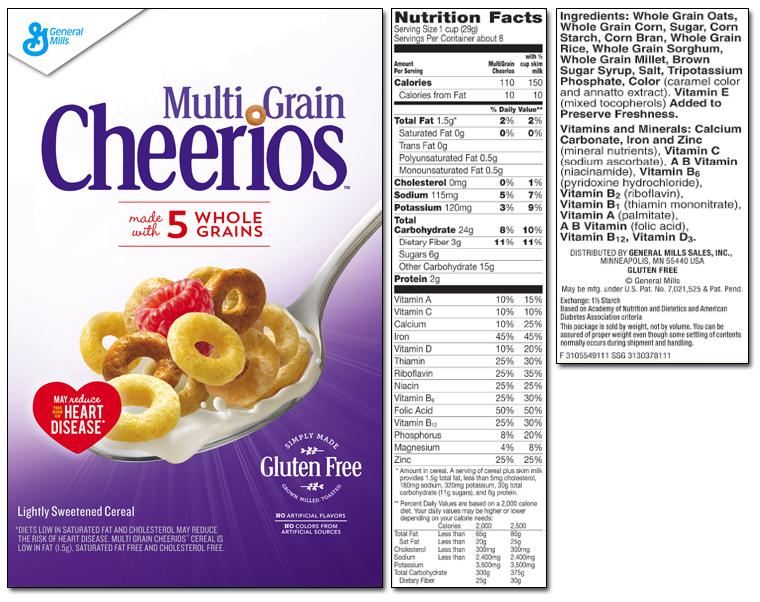
Yes, surprisingly. The fiber content fluctuates, and the amount of added vitamins (like folic acid, which is required in US enriched grains but banned in some European countries due to fortification health concerns) varies. For the digital health crowd, this means that “Cheerios” are not a monolithic entity. A “USA” Cheerio is a different product than a “Eurasian” Cheerio. If you are an influencer doing a #CheerioChallenge, you need to check the import label. The bottom line? It matters if you are intensely tracking micronutrients, but for general snacking, it’s a negligible difference. It’s more about taste—the US version tends to be sweeter and more lightly toasted than the European variant, which is sturdier and grassy.
So, is the Cheerio moment a passing fad or an evolutionary step? It’s neither extreme. It’s a recalibration of the basics. We are so exhausted by the “carnivore diet” vs. “vegan diet” wars that we’re retreating to a middle ground—a cheap, neutral carbohydrate that is shelf-stable and won’t get us canceled in the comments. The Cheerio represents a desire for simplicity, but our innate human need to overcomplicate things has turned it into a battleground for wellness ideology.
In two years, we won’t be talking about beta-glucan anymore; we’ll be on to the next ancestral grain or synthetic yogurt. But the legacy will remain. The Cheerio has taught us that health is not about purity, but about portion control and context. It’s a lesson in how to take a corporate product, strip it of its marketing hyperbole, and connect it to actual biological needs. Whether you eat it dry out of the bag at 2 AM or make it into an elaborate smoothie bowl, the Cheerio is the great unifier. It’s the one thing we can all agree on: it’s crunchy, it’s mildly sweet, and it’s significantly better than eating the box. And honestly? That might be the highest nutritional bar we can realistically set for our modern, chaotic lives.