Cashing A Check Without An Account

Let’s be real: you’ve seen the TikTok. You know, the one where a guy in a 2024 tech-fleece holds up a paper check, squints at it like it’s a prehistoric artifact, and then dramatically marches into a supermarket to get it cashed. The comments section erupts with a mix of Gen Z confusion (“what is that?”) and Millennial nostalgia (“my grandma used to do this”). Cashing a check without a bank account has somehow mutated from a mundane, slightly awkward chore into a full-blown internet personality test. It’s the new “Do you know how to change a tire?”—a litmus test for adulting in a hyper-digital world. And yet, despite the rise of Venmo, Zelle, and that one friend who still owes you $20 for pizza, nearly 6 million U.S. households remain unbanked or underbanked. This isn’t a niche problem; it’s a parallel universe that lives right next door to your overdraft fees.
The discourse is spicy because it straddles two opposing realities. On one side, you have the fintech bros screaming, “Just get a Chime account, bro!” On the other, you have a legion of cash-only lifers who view check-cashing storefronts as their personal, neon-lit fortresses of financial autonomy. It’s a culture war fought over paper and ink. The viral fascination isn’t really about the check itself—it’s about the hack. Everyone loves a loophole, and the loophole here is that you don’t need to be part of the “system” to convert a promise of money into cold, hard, spendable cash. This topic is trending because it’s a rare moment where the algorithmic chaos of internet advice actually collides with the gritty reality of the service economy. It’s messy, it’s transactional, and it’s oddly empowering.
So, why is everyone suddenly talking about this? Because the fees are a viral outrage generator. We’ve normalized paying $3.50 for a coffee but will riot over a 1% fee to access our own money. The check-cashing industry—a $60 billion behemoth—is simultaneously villainized as predatory and venerated as a necessary evil. This article is your survival guide to navigating this bizarre ecosystem. We’re going to dissect the subcultures, give you the pragmatic playbook, and answer the burning questions that even your group chat couldn’t solve. Buckle up; we’re going to the bank—just not our bank.
Must Read
The Weird, Wild Subcultures of the Unbanked
Let’s dive into the sociological rabbit hole. The world of check-cashing without an account is split into two distinct, often toxic, tribes. First, there’s the “Check-Cashing Store Loyalist”—a group that operates on a strict code of distrust. They believe that banks are faceless monoliths designed to siphon money via monthly maintenance fees and sneaky holds. For them, the local check-cashing joint—with its bulletproof glass and aggressive air conditioning—is a fortress of transparency. They know the fee upfront (usually 1% to 3% of the check’s value), they get their money instantly, and they leave with zero attachments. This tribe thrives on a social media narrative that paints them as rebels against the “banking-industrial complex.” They’ll post rants about how a bank froze their account for "suspicious activity" (i.e., they deposited $50 in cash), and the comments are filled with fellow travelers sharing horror stories that would make a financial advisor weep.
Then, you have the “Grocery Store Rodeo” crowd. This is the trend-adjacent, slightly chaotic tribe that realizes your local Safeway or Walmart will cash almost anything if you just flash a valid ID and maybe buy a pack of gum. This group loves the thrill of the hunt. Will the cashier with the dead-eyed stare approve the transaction? Will they demand a fingerprint? It’s a game of roulette. The internet has romanticized this into a sort of “extreme couponing” for the digital age. There are entire Reddit threads dedicated to mapping out which grocery chains have the most lenient policies, with users swapping intel like they’re planning a heist. The toxicity emerges when these two subcultures clash: the Loyalists call the Grocery Rodeo crowd “amateurs” who risk getting their checks bounced, while the Rodeo crowd calls the Loyalists “suckers” paying a premium for fear. It’s a dumb, unnecessary war, but it’s fascinating to watch.
The third, hidden subculture is the “Diversified-Hustler”—the gig worker, the casual freelancer, the guy who sold a couch on Facebook Marketplace. They don’t have a bank account because they live in a state of liquid, chaotic financial flow. Checks are simply a formality, an obstacle between them and their caffeine-fueled spending. This group is the primary consumer of endorsement hacks—like signing the check over to a friend or a family member who does have an account. This practice is a legal gray area that TikTok has turned into a badge of honor. It’s a testament to the communal nature of survival, but it’s also a ticking time bomb. When you sign your check over to your cousin, you’re trusting them with your liquidity. If they decide your cut is "processing fees," you’ve just learned a very expensive life lesson. This subculture runs on vibes and deep, sometimes misplaced, loyalty.
The Pragmatic Playbook: How to Cash That Paper Without Losing Your Mind
Alright, enough sociological navel-gazing. You’ve got a check. It’s made out to you. You have zero desire to step foot into a branch of a major bank, either because you’re avoiding overdraft fees or you just hate the architecture. Here is the battle-tested, wallet-saving playbook for cashing a check without an account, ranked by sanity and cost-efficiency.
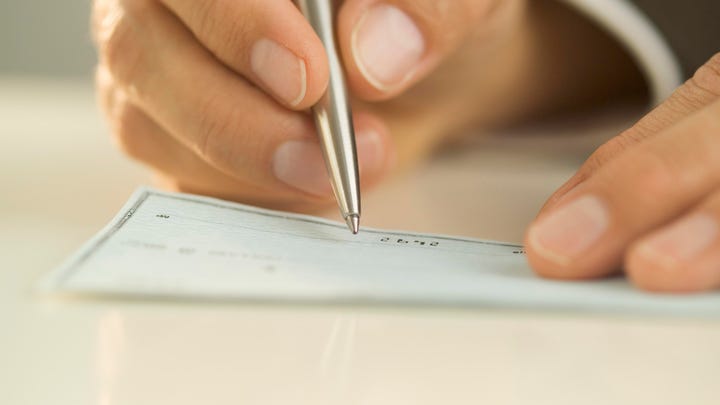
Step 1: Know Thy Check. Before you even leave your house, turn that piece of paper over and look at the back. There’s a specific line for endorsement, but more importantly, check the top left corner for the issuing bank’s name. If the check is from a massive institution like Chase, Bank of America, or Wells Fargo, a weird trick exists: many of these banks will cash their own checks for non-customers, but they’ll often charge a fee (usually $5-$10). Sometimes, they waive it if you’re a “customer of the person who wrote the check”—a rule that varies wildly by teller. The trick is to go into the branch on the check itself. This is a power move. It cuts out the middleman. The teller might look at you like you’re trying to exit a store through the entrance, but you are legally allowed to do this in many states. If the check is from a "random" credit union, your options shrink, but don't panic.
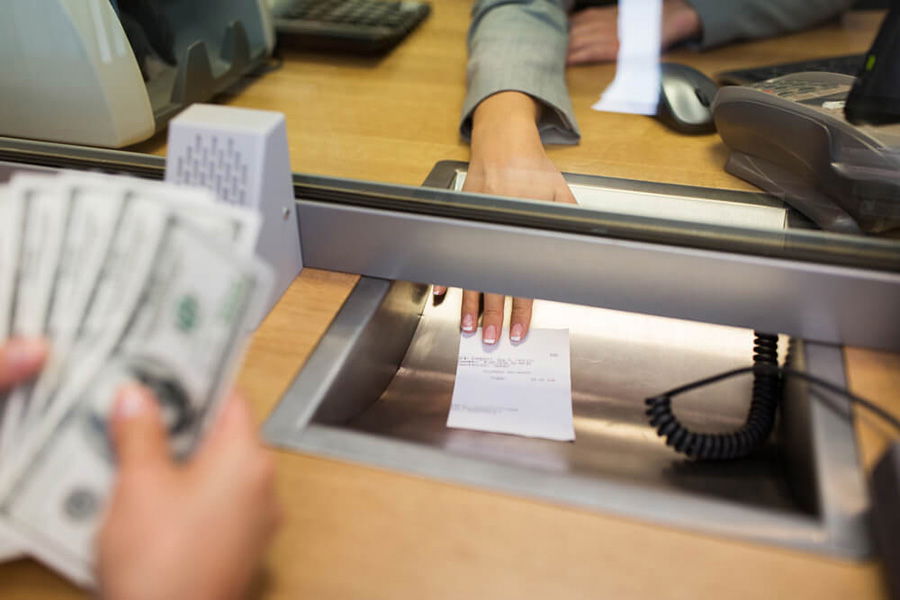
Step 2: The Grocery Store Give-and-Take. If you want the zero-fee route, you’re playing the retail game. Walmart is the king here. They cash pre-printed checks up to $1,000 and two-party checks up to $200, with a max fee of $4.00—which is practically nothing compared to the 3% you’ll see at a dedicated store. Key hack: Do not go at rush hour. The customer service desk is a pressure cooker. Go at 9 AM on a Tuesday. Bring your ID, a backup ID, and your social security card. They will fingerprint you in some states (California, for example), which sounds scary but is just a database check. Another pro-tip: use the self-checkout lane adjacent to the money center. Buy a bottle of water or a pack of batteries. It doesn’t manipulate the system, but it psychologically primes the cashier to be less grumpy when you hand them a $1,500 check from a random LLC.
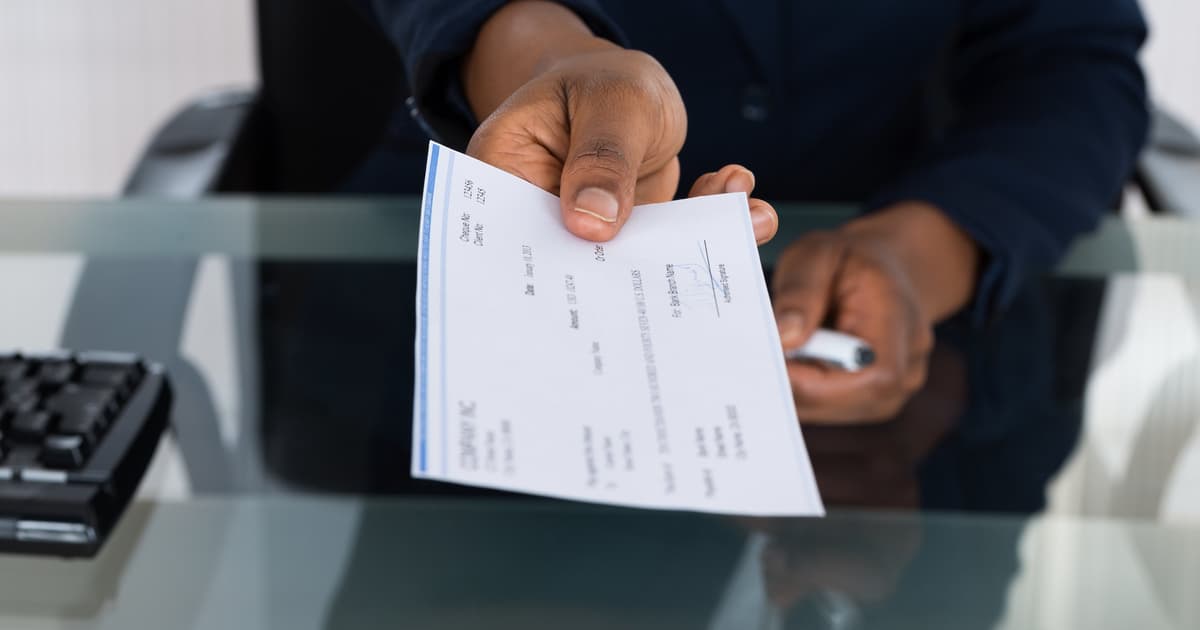
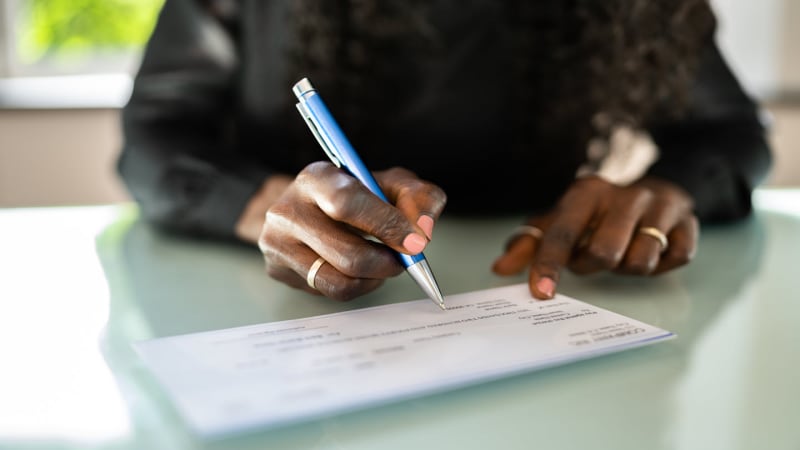
Step 3: The Endorsement Rodeo (Proceed with Caution). This is the viral TikTok hack that is equal parts brilliant and terrifying. You can sign your check over to a trusted friend, writing “Pay to the order of [Friend’s Name]” and signing your name below. Your friend then deposits it into their account via their mobile app. This is legal, but it’s a trust exercise. The brutal reality is that many apps and banks are cracking down on this. They see a mobile deposit with a third-party endorsement and place a 7-to-10 day hold on the funds, effectively freezing your friend’s money. If you need cash today, this is a trap. Use this only for e-checks or payroll checks where you can afford to wait. If you go this route, you must take a photo of the check, the check must be signed exactly as written, and you need to text your friend “THANK YOU” in all caps at least three times. It’s a social contract more binding than any legal one.
Step 4: The "Payday Loan" Trap (Run Away). This is the anti-hack. Do not walk into a payday loan establishment that cashes checks and then convinces you to take a "small advance" against your next paycheck. These places survive on your desperation. The sign says "Check Cashing," but the whole business model is to get you into a cycle of debt. If you go to a dedicated check casher like ACE Cash Express or Money Mart, you will pay the 1-3% fee, but be hyper-vigilant about the upsell. They will ask you if you need a “prepaid debit card” or a “loan.” Politely decline, take your cash, and leave. The fee is your cost of doing business; the loan is your financial annihilation. Treat these stores like a convenience store: get in, get out, and never make eye contact with the "Financial Services" desk in the back.
Step 5: The Mobile App Workaround (The Modern Cheat Code). There are fintech apps like Flare Account or Ingo Money that will let you cash a check instantly via a photo, minus a fee (often 1-4%). They load the money onto a prepaid card. It’s fast, it’s transactional, and you can do it in your pajamas. The downside? These apps are notorious for holding funds if the check is large or if your face looks too “new.” They are also feeding data to algorithms about your spending habits. If you’re okay with being a product, this is the most 2025 way to do it. Just don’t be surprised when the app later offers you a "micro-loan" at a ridiculous interest rate—that’s the trap again. Use the app for small checks (<$500) and physical cash-outs for anything bigger.
Frequently Asked Questions (The Deep Cuts)
1. Can I cash a check that is made out to me and my partner, but only one of us is present?
This is the treasure map of check-cashing debates. On paper, both parties must endorse the check. In reality, the rules are a swamp. If you go to the issuing bank, they will almost certainly require both of you to be present, with ID, in person. They are sticklers for this because it’s an anti-fraud measure. However, if the check is less than $1,000 and you go to a Walmart MoneyCenter, the cashier often just checks that the signature on the back looks like someone signed it. The internet will tell you to "just sign for them," which is a federal crime. Don't do that. The legal workaround is to have them sign it before you go, but you must have a power of attorney or written consent if it’s challenged. The safest, most viral-approved method is to have the non-present party write "Payment authorized to [Your Name]" above their signature. It’s not foolproof, but it passes the vibe check at most retail counters. Just be aware that if the bank decides to be difficult, you’re walking out with a voided check and a story to tell.
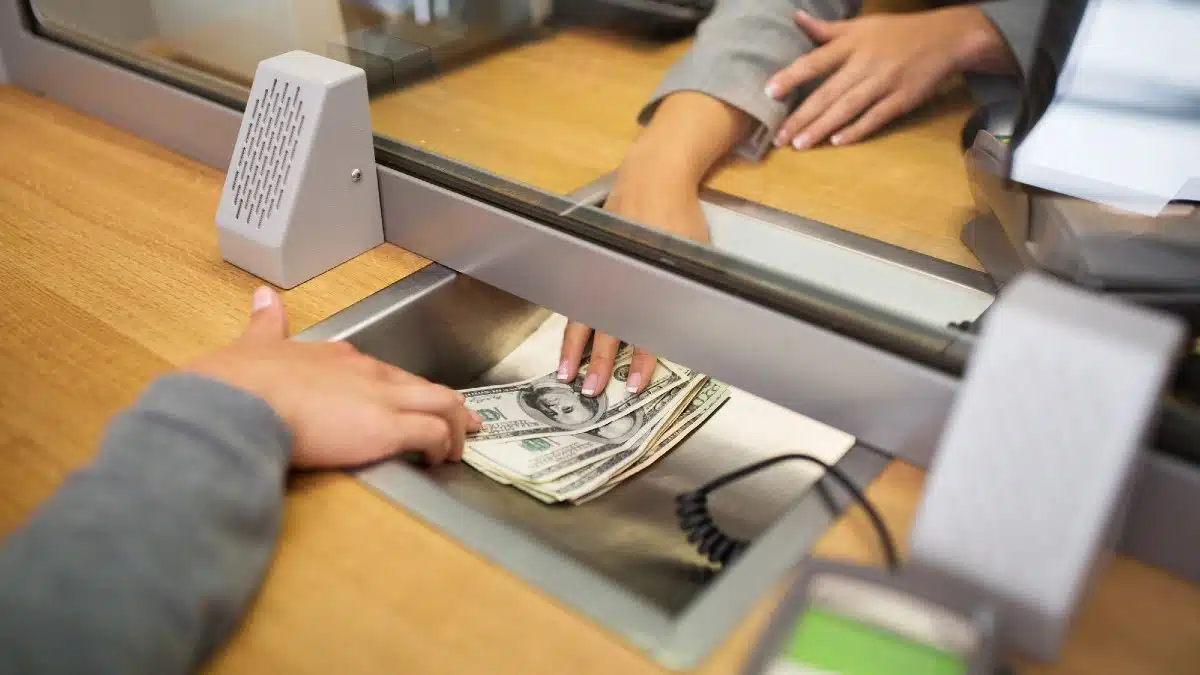
The deeper issue here is the archaic nature of joint checks. They were designed for a world where couples did everything together. Now, with gig economies and split rent, these checks cause massive friction. The unbanked community often gets stuck in this limbo. If you have a joint check and no account, your best bet is to go to the check writer’s bank and politely ask for a teller manager. Explain the situation, show your ID, and hope they have a shred of empathy. If they say no, you can ask them to issue a new check in only your name, which requires the other party to be present or to authorize it in writing. It’s a bureaucratic nightmare, but it’s the only way to avoid a legal gray zone that could get your money frozen for 30 days.
2. Why do check-cashing stores charge so much, and can I negotiate the fee?
Oh, you sweet summer child. The fee is the product. These stores are not in the business of convenience; they are in the business of liquidity. They charge 1% to 3% because they assume risk. They assume you might be cashing a fraudulent check, so they pay for insurance and security (that bulletproof glass isn't cheap). Their overhead is high, and their customer base is inherently viewed as high-risk by traditional banks. The fee isn't a tax on the poor; it's a fee for speed. Can you negotiate? Yes, but it takes guts. These stores usually have a corporate-mandated fee scale, but the manager on duty often has a “discretionary” allowance. If you bring in a check that is clearly payroll from a large corporation, they know it's safe. Try saying, "Hey, I understand the 2% fee, but if I can show you my pay stub and verify the employer, can we do a flat $5?" You'll get a 50% success rate. It’s a weird sales dance. The best negotiation tactic is to shop around. The store next door might be charging 1.5%, so use that as leverage. "The place down the street is doing 1.5%, can you match it?" More often than not, they'd rather keep your business than lose you to the competition for a 0.5% difference.
On a societal level, the fee is a hot-button issue. Critics call it a "poverty tax." Proponents argue that these stores provide a necessary service that banks refuse to offer. The truth is that if you are unbanked, a 3% fee on a $500 check is $15. That’s a brutal hit when you’re living paycheck to paycheck. But compare that to the alternative: you go to a bank, open an account with a $25 minimum deposit, and then wait five business days for that check to clear while you eat ramen. The liquidity has a price. My advice? Treat the check-cashing fee like a cost of doing business. If you truly cannot afford the fee, you need to use the grocery store route or the friend route. But never, ever pay a fee for a "rush" loan. The fee is for the transaction—nothing else.
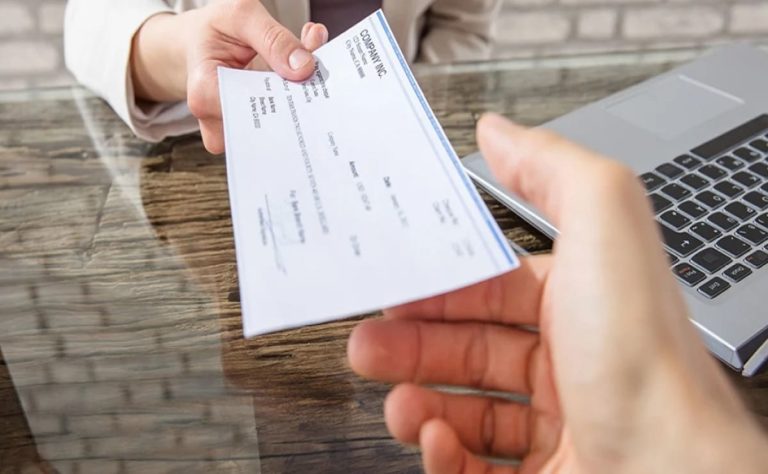
3. Is it better to just open a bank account at a big bank to avoid this hassle?
Logically, yes. Financially, maybe not. The internet will scream at you to get a "second chance" bank account or a prepaid debit card from a fintech like Chime or Varo. These apps are fantastic tools—they offer early direct deposit, zero maintenance fees, and no minimum balance. The catch? They are not banks. They are tech companies backed by banks. If you have a check, you still need to deposit it via mobile photo, which takes 2-3 days to clear, or you can use their "third-party cashing" feature, which often has a fee anyway. The real question is why you are unbanked in the first place. Are you avoiding bank fees because you once overdrafted by $3 and got hit with a $35 penalty? Or are you avoiding banks because you have a history of bounced checks and ChexSystems has blacklisted you? If it’s the latter, then a second-chance account is your best move, but it often comes with monthly fees (around $10) that offset the check-cashing savings.
The counter-argument, which is gaining massive traction on social media, is that being unbanked is a form of resistance. You are opting out of the surveillance economy. Banks track your spending, sell your data, and can freeze your assets at the stroke of a regulator’s pen. The check-cashing store is anonymous—you walk in, you leave with cash, and you spend it without a digital trail. In a world of algorithmic front-end analysis, that’s a form of power. So, is it better to open an account? If you value convenience and credit building, yes. If you value privacy and have a deep-seated distrust of the system, the hassle is the price of freedom. For the unbanked, cashing a check is not just a transaction; it's a declaration of independence from the financial matrix. And that declaration is worth the fee—at least until the next viral trend hits.
So, is this just a fad? The idea of talking about cashing checks is trendy, but the act itself is not going anywhere. As long as employers cling to paper payroll for certain sectors, and as long as the wealth gap persists, there will be a significant population that exists outside the banking system. The viral nature of the topic is a wake-up call to the fintech elites that "just download the app" is not a universal solution. It’s a reminder that for millions, cash is still king, and the path to liquidity is paved with fees, ID verification, and the patient smile of a grocery store clerk. The trend is making the invisible visible, forcing a conversation about fees and access that we’ve ignored for decades.
Whether it’s a permanent lifestyle change or a passing curiosity, the internet has now created a map for this financial grey zone. We’ve shared the hacks, dissected the fees, and mocked the toxic gatekeepers. But the core takeaway is this: the flow of money is only as smooth as the trust we have in the intermediaries. If the banks don’t want us, we’ll find another way. We’ll use the back of a check, a trip to the customer service desk, or a favor from a friend. It’s messy, it’s inefficient, and it’s profoundly human. So next time you see a check in your mailbox, don’t sigh. See it as an opportunity to play the game—on your terms, with your tricks, and without a monthly statement clogging up your inbox.