Cash Money Order Without Bank Account

Let’s be honest—writing a check feels like a relic from the dinosaur age, and carrying a thick wad of cash is just asking for trouble. That’s why the humble money order remains a secret weapon for millions, especially when you don’t have a bank account. It’s the perfect middle ground: official enough for landlords, flexible enough for everyday errands, and blessedly free of overdraft fees.
The core benefit is simple: you get the spending power of a check without needing a checking account. You pay upfront with cash or a debit card, and the issuer guarantees the funds, so the recipient trusts it completely. This is a lifesaver for paying rent, covering utility bills, or sending birthday money to a grandkid without worrying about your private bank details.
Think about the last time you needed to pay for something that refused to take a credit card. A money order works perfectly for school fees, daycare payments, or even a down payment on a used car. It’s also the go-to option for people who are rebuilding their credit or simply prefer not to link their spending to a plastic card.
Must Read
You can grab one at your local post office, many grocery stores, check-cashing outlets, and even some big-box retailers like Walmart. The fee is tiny—usually between one and five dollars—compared to the anxiety of bouncing a personal check. Always keep the receipt stub, because that’s your only proof of purchase if the money order ever gets lost or stolen.
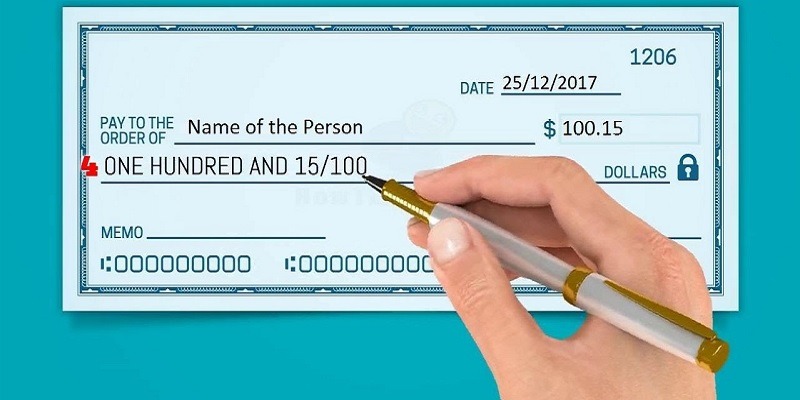
Here’s the first practical tip: fill out the “To” and “From” lines with a black ink pen, and do it right at the counter. If you leave the payee line blank, it’s as good as handing someone a blank check. Also, watch the maximum amount—most places cap a single money order at $1,000, so for bigger sums, you’ll need to buy multiple ones (which is totally legal but slightly annoying).

Another smart move is to compare fees before you buy. Your local grocery store might charge $0.50, while the post office charges $2.50 for the exact same product. For a family buying two or three money orders a month, that difference adds up to real grocery money over a year.
If you’re paying rent, have the landlord sign the back of the money order when they cash it, and then take a photo for your records. This simple habit protects you in any dispute, because many tenants are shocked to find out they lost their only proof of payment. And if you’re sending one through the mail, use a padded envelope and a tracking number—spending the extra dollar is worth not losing $800.
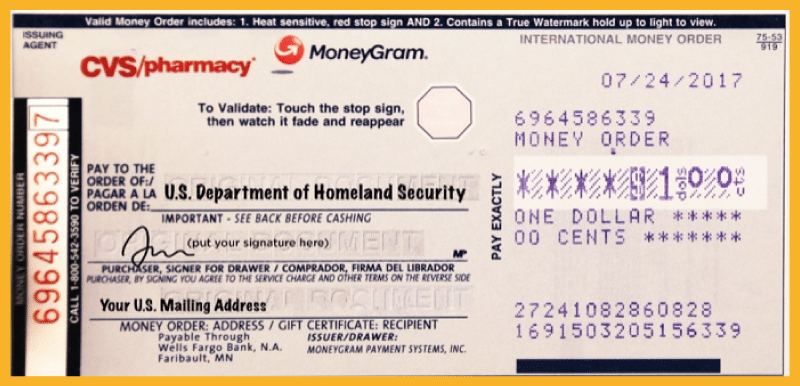
One huge advantage people overlook: money orders don’t link to your identity the way bank checks do. That’s a privacy win for anyone who doesn’t want a landlord or a utility company knowing your entire financial history. Just remember that large purchases over $3,000 may require ID due to anti-money-laundering rules, so don’t be startled if the cashier asks.
Finally, don’t treat a money order like cash once you buy it. If you lose a cashier’s check or money order, you can often recover the funds—but only if you have the stub and often a $30 replacement fee at the postal service. So treat it like a fragile document, not like a twenty-dollar bill stuffed in your pocket.
For the unbanked or the just-plain-cautious, this little paper slip is a quiet hero. It lets you pay bills, help family, and buy that vintage bicycle from a stranger online—all without a single overdraft alert on your phone. Next time you need to move money, skip the awkward cash handshake and step up to the counter for a money order.