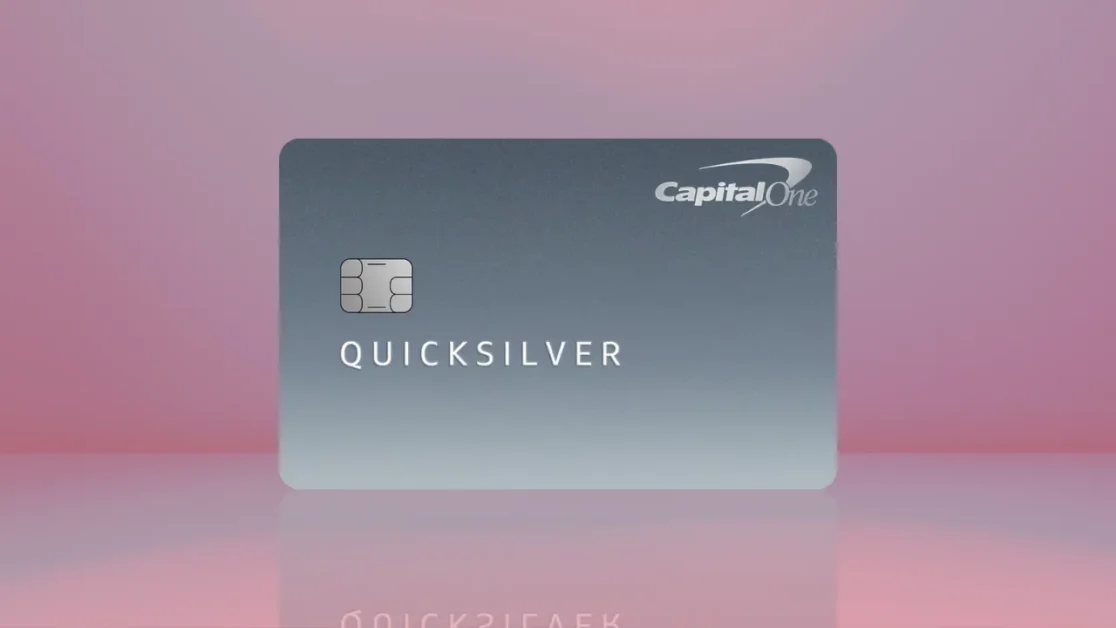
Cash Back Capital One Quicksilver
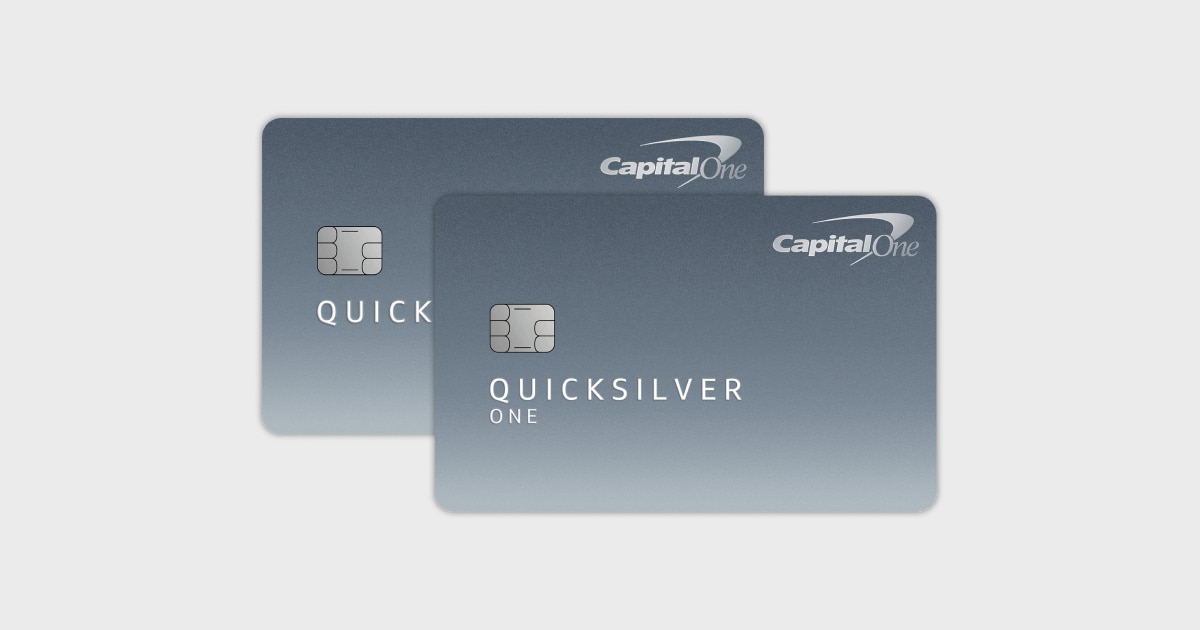
Let’s be real: in the chaotic bazaar of personal finance, where every influencer is shilling a “secret” hack that’s really just a coupon code, the Capital One Quicksilver has achieved something weirdly close to celebrity status. It’s the “clean girl” aesthetic of credit cards—minimalist, no annual fee, and it just works without screaming for attention. But over the last year, it has blown up on TikTok and X (formerly Twitter) not because it’s flashy, but because it’s the financial equivalent of that one friend who always Venmos you back instantly. In an era of subscription hell and shrinkflation, the promise of “unlimited 1.5% cash back” has become a meme-level beacon of sanity.
Why is everyone suddenly talking about a card that’s been around for a decade? Blame the “loud budgeting” trend and the Gen Z obsession with “quiet luxury.” While Amex Platinum holders are flexing airport lounges, the Quicksilver crew is quietly racking up free Chipotle bowls. It’s the anti-hype card for a post-hype world. The internet has decided that consistent, frictionless rewards are sexier than a points system that requires a PhD in aeronautical mathematics to redeem. We’re collectively exhausted, and the Quicksilver feels like a deep breath in a room full of screaming credit card offers.
But here’s the twist: the discourse isn’t just about the card itself. It’s about the “cash back ceiling”—the idea that you’re leaving money on the table by not playing the churning game. The viral debate is whether 1.5% is “poor people math” or a genius passive income hack. This article isn’t a boring review; it’s a cultural autopsy of why a piece of plastic has become a personality trait. Buckle up, because we’re about to deep-dive into the algorithm-friendly world of flat-rate rewards, and trust me, it’s more chaotic than a group chat deciding where to eat.
Must Read
The Subculture of “Minimalist Maximizers” and the Cash-Back War
Dig beneath the surface, and you’ll find two warring factions in the personal finance Reddit-verse: the “Category Chasers” and the “Flat-Rate Fundamentalists.” The Category Chasers are the ones with a spreadsheet for their wallet, rotating between six cards to get 5% back on rotating categories like “gas” or “streaming services.” They view the Quicksilver user with a mix of pity and disdain, muttering about “opportunity cost.” On the flip side, the Flat-Rate Fundamentalists—the Quicksilver stans—argue that the mental load of tracking categories is a tax on your dopamine. They cite studies about decision fatigue and claim that the 1.5% is guaranteed, whereas those 5% categories always seem to conveniently exclude the store you actually shop at.
Social media has amplified this schism into clickbait wars. You’ll see viral TikToks titled “POV: You’re still using Quicksilver in 2024” with a sad violin soundtrack, followed by a reply video from a finance bro explaining that the Quicksilver’s real value is its unlimited cash back with no caps, making it superior to cards that cap your rewards at $1,500 per quarter. The toxicity comes from the “hustle culture” bleed-over—people treating a 0.25% difference in rewards as a moral failing. It’s weirdly classist, too. The implication is that if you aren’t optimizing every cent, you’re lazy. But the Quicksilver cult pushes back with a viral counter-meme: “My time is worth more than $4.32 a month.” That’s the core cultural shift—valuing simplicity as a luxury good.
There’s also the darker underbelly of the subculture: the “sign-up bonus churners” who treat the Quicksilver as a boring starter card, only to “product change” to a Venture X later. They post screenshots of their “credit card journey” like it’s a Pokémon evolution. This creates a strange ecosystem where the Quicksilver is simultaneously the “training wheels” card and the “endgame” card for those who’ve been burned by complex reward redemptions. The algorithm loves this debate because it pits pragmatism against aspiration, and the engagement metrics go bananas.
How to Actually Win with the Quicksilver (Without Becoming a Finance Bro)
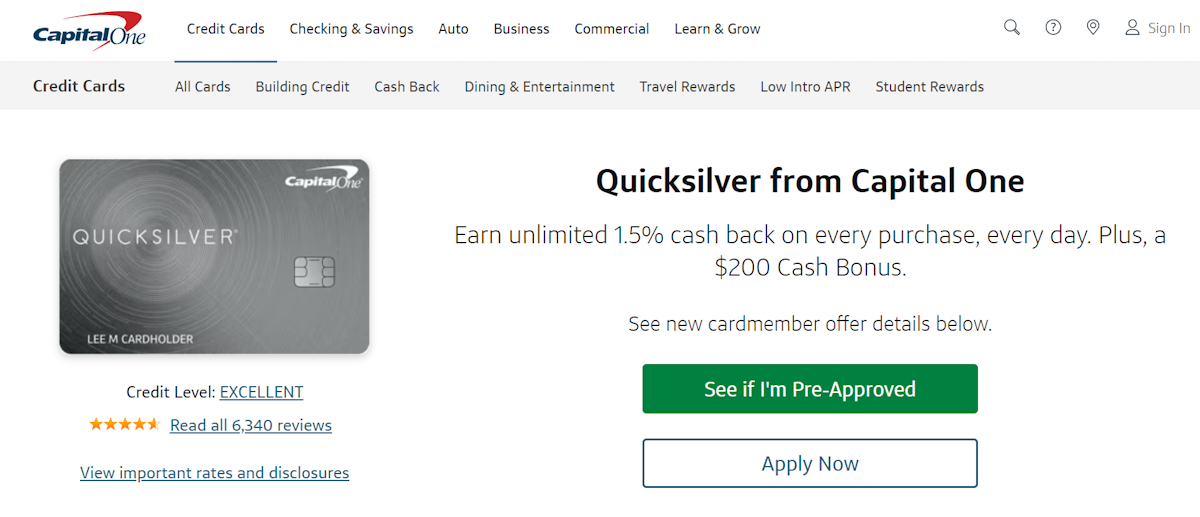
First, let’s kill the biggest myth: the Quicksilver is not a “catch-all” card if you already have a 2% card like the Citi Double Cash. If you’re in that boat, keep the Quicksilver for one specific thing: international transactions. Wait, no—the Quicksilver charges a 3% foreign transaction fee. Oops. Okay, here’s the real tea: the Quicksilver’s superpower isn’t the rate; it’s the user experience. The Capital One app is buttery smooth, and their fraud alerts are instant. So, tip number one: use it for small, recurring subscriptions where you tend to forget the price. The cash back on your Netflix and iCloud might be pennies, but it makes the bill feel less soul-crushing. Psychologically, it’s a win.
Second, don’t fall for the trap of “cash back is free money.” It’s not. It’s a rebate on your spending. The moment you buy something you don’t need just to “earn” 1.5%, you’ve lost the game. The internet loves to tout the Quicksilver as a “passive income stream,” but that only works if you’re paying your statement balance in full every month. Carrying a balance at a 29.99% APR and earning 1.5% back is like eating a whole cake to burn calories by chewing. You’re not beating the system; the system is beating you. Treat the cash back as a discount mechanism, not an investment strategy.
Third, leverage the “Capital One Shopping” browser extension if you get the Quicksilver. This is the internet’s best-kept secret. It automatically applies coupon codes and gives you “Capital One Rewards” on top of your cash back, sometimes stackable to 10-15% at specific retailers. This is where the real virality lies—TikTokers love showing “haul” videos where they bought a stack of skincare and paid $12 because of stacked rewards. The Quicksilver becomes the catalyst for a shopping spree guilt-free. But beware: the extension tracks your browsing data. If you’re a privacy hawk, this might feel creepy. Decide if the $3.50 you save on a pizza is worth your data. For most, it’s a yes, but go in with open eyes.

Fourth, and this is crucial for the chronically online: ignore the hype about the SavorOne. Capital One’s SavorOne offers 3% on dining and groceries, and people love to say you’re “stupid” for not getting it. But guess what? If you already have a Quicksilver, you can literally hold both—Capital One allows multiple cards. The hack is to put groceries on the SavorOne (3%) and everything else on the Quicksilver (1.5%). This combo is the ultimate low-maintenance power couple. Don’t let the internet tell you to choose one. The real move is to have both, use the Quicksilver as your default, and never think about rotating categories again. You’re not leaving money on the table; you’re leaving anxiety on the table.
Finally, redeem your cash back as a statement credit—not a gift card. Sometimes the gift card “bonus” rates are tempting (like a $50 gift card for $45 of cash back), but that forces you to spend at a specific store. The beauty of the Quicksilver is its flexibility. Redeem anytime, for any amount, directly to your account. This aligns with the “loud budgeting” trend—you see that $47.89 drop on your balance, and you feel a little dopamine hit. That’s the hook. It gamifies paying your credit card bill, which is embarrassingly effective.
FAQ: The Internet’s Most Argued Quicksilver Questions
1. Is the Quicksilver actually better than the Citi Double Cash or PayPal 2% Card?
Statistically, no. A 2% card gives you 0.5% more back, which on $10,000 of annual spending is $50 more per year. But here’s the nuance the comment section always misses: the Quicksilver offers a $200 cash bonus after spending $500 in the first three months, whereas the Citi Double Cash doesn’t always have a strong sub, and its sign-up bonus has historically been in “ThankYou Points,” which are a pain to redeem. The Quicksilver’s bonus is straight cash, no conversion math. So, in year one, the Quicksilver is probably ahead. In year two, the Double Cash edges it out if you actually use the 2% on everything. But the Double Cash has a notorious history of “churners” getting their accounts flagged for “excessive rewards” if they use it for manufactured spending. The Quicksilver is far more lenient with normal, human spending.
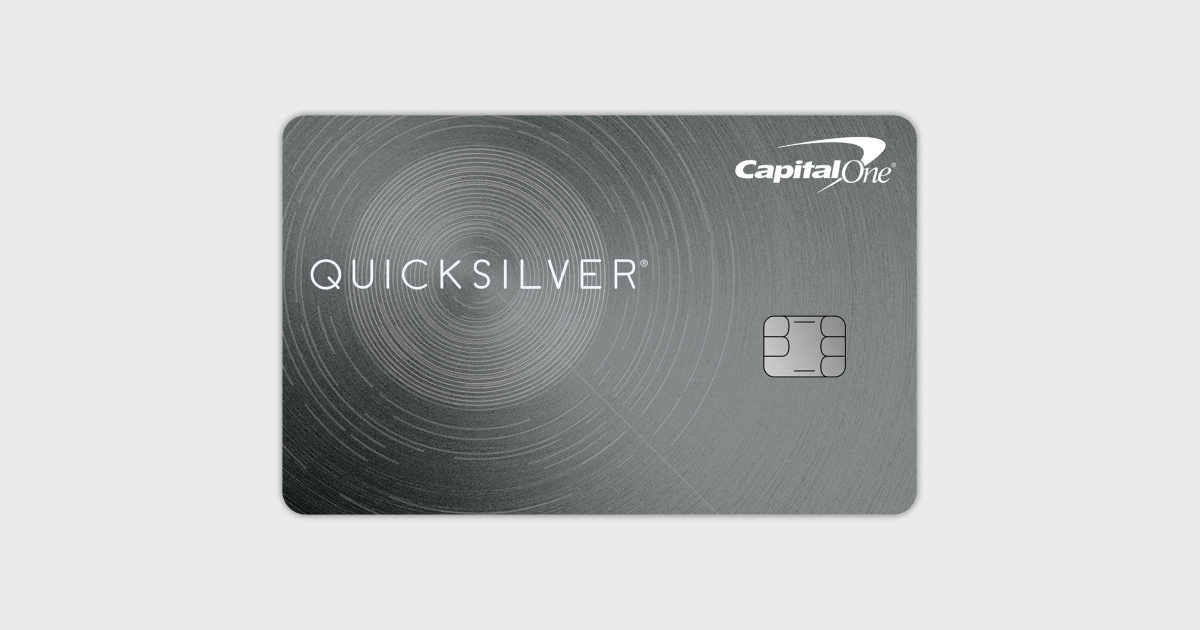
Another angle: the Quicksilver has no foreign transaction fee on the Mastercard version? Actually, no—it does. I repeat, it does. The Citi Double Cash also has a 3% FTF. So, if you travel abroad, neither is your friend. The real answer to this debate is: they’re both boring cards, and the 0.5% difference is not worth the mental energy of the debate. The Quicksilver’s app and customer service (which is top-tier for Capital One) often win out for pragmatic users. The “better” card is the one you can set and forget. If you’re the type to forget you have a wallet, the Quicksilver is your soulmate.
2. Will the Quicksilver hurt my credit score because it’s a “subprime” card?
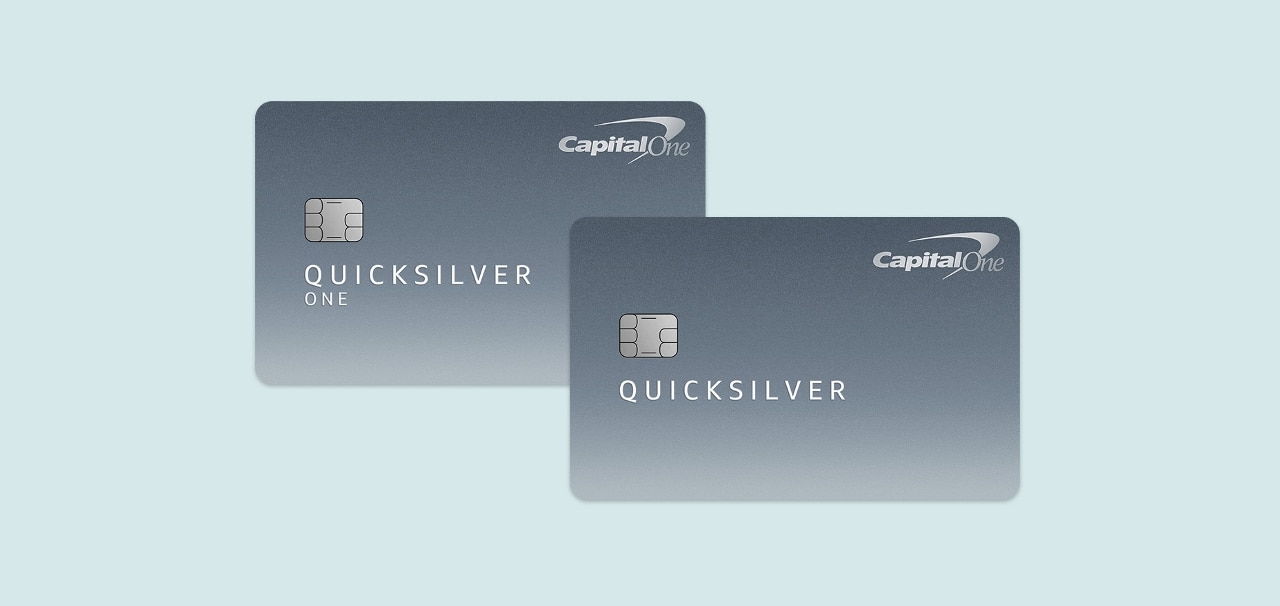
This is the stupidest take on Reddit, but it persists. The Quicksilver is not a subprime card like the Credit One cards that spam you with mailers. Capital One offers the Quicksilver in two tiers: the standard Quicksilver (for good credit) and the QuicksilverOne (for fair/average credit). The QuicksilverOne has a $39 annual fee and is designed for credit building. People conflate the two, and the internet panics. The standard Quicksilver has no annual fee and requires a credit score around 670+. It will report your high balance to the bureaus, but as long as you keep your utilization below 30%, your score will be fine. The card is issued by Capital One, a major prime lender. It’s not a “starter” card in the derogatory sense; it’s a “lifestyle” card.
The confusion with subprime comes from Capital One’s “bucketing” algorithm—they sometimes place new accounts in a “bucked” credit limit, meaning you might get a $300 limit even with good credit, which looks bad for utilization. However, this is not unique to Quicksilver; it happens with the SavorOne too. The fix is simple: request a credit limit increase after 6 months of on-time payments. The algorithm will usually grant it. If you’re paranoid about your score, use the Quicksilver for a small recurring bill (like Spotify) and pay it off in full. The reporting will show low utilization, and your score will actually thank you. Stop letting YouTube “finfluencers” scare you with anecdotes from people who opened 15 cards in a month.
3. Is the “cash back” actually worthless because of inflation?
This is the smartest critique, honestly. Some argue that earning 1.5% cash back while inflation runs at 3% means you’re losing 1.5% in real purchasing power. They suggest using a card with a hefty sign-up bonus to outpace inflation via a one-time cash injection. That’s valid for the first year, but long-term, the Quicksilver is a defensive play. It’s not supposed to make you rich; it’s supposed to make you less poor. Think of it this way: if you put all your spending on a card with no rewards, you’re donating 1.5% of your annual income to the bank. The Quicksilver simply claws that back. Inflation is a separate beast—your cash back won’t buy a house, but it might cover the price increase on your oat milk latte.
The deeper cultural point is that we’ve been brainwashed by “hustle culture” to expect our credit cards to be investment vehicles. They’re not. The real value of the Quicksilver in an inflationary era is the psychological safety net of knowing you’re getting something back on unavoidable expenses. Compare it to the points economy, where airlines devalue miles every year, and the “value” of a point is a moving target. Cash back is fungible—it keeps its value relative to the dollar. In a volatile economy, that’s a form of financial calm. Plus, the cash back you earn isn’t taxable as income (it’s considered a rebate), so you’re not giving Uncle Sam a cut. That’s a quiet win.
So, is the Quicksilver a fleeting meme or a permanent fixture? I’d argue it’s the latter. The trend of chasing sign-up bonuses and churning through 10 cards is exhausting, and we’re seeing a cultural shift toward “lazy girl jobs” and “bed rotting”—the ultimate rejection of optimization. The Quicksilver aligns perfectly with this vibe. It’s the card for people who want to be financially responsible but also want to conserve their cognitive energy for deciding which episode of Love Island to watch. It’s not sexy, but neither is paying a late fee because you forgot about a rotating category.
What we’re witnessing is the commodification of convenience. As the credit card marketplace becomes more complex, the simplest product becomes the most revolutionary. The Quicksilver doesn’t need to be the best at any one thing; it just needs to be good at everything, all the time. That’s a permanent lifestyle change. It’s the financial equivalent of a white t-shirt—it’s not a trend, it’s a staple. And in a culture that’s constantly screaming for more, more, more, the quiet confidence of a flat 1.5% is the ultimate flex. Put it in your virtual Apple Wallet, set up autopay, and go touch grass. That’s the real winning strategy.