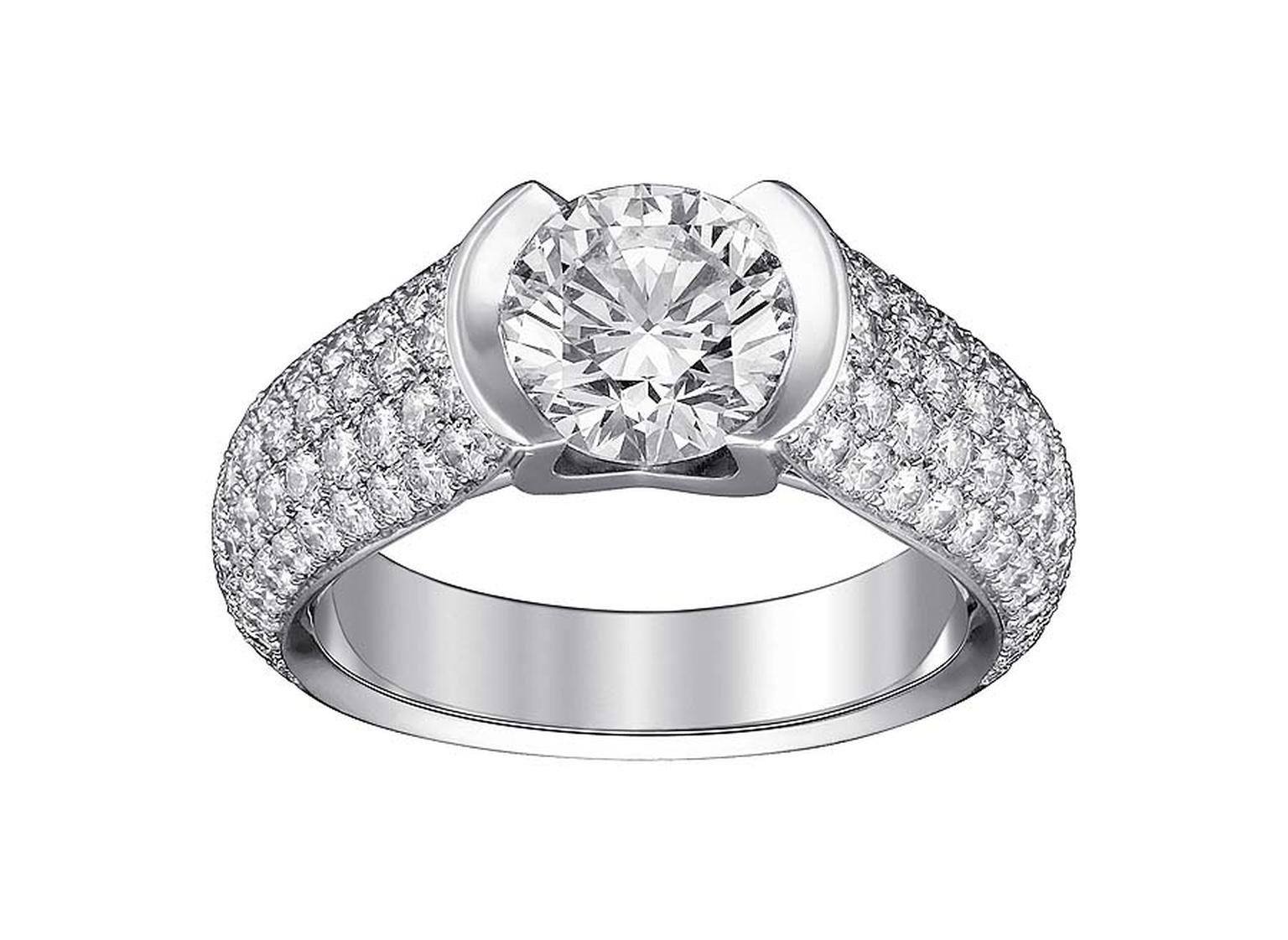
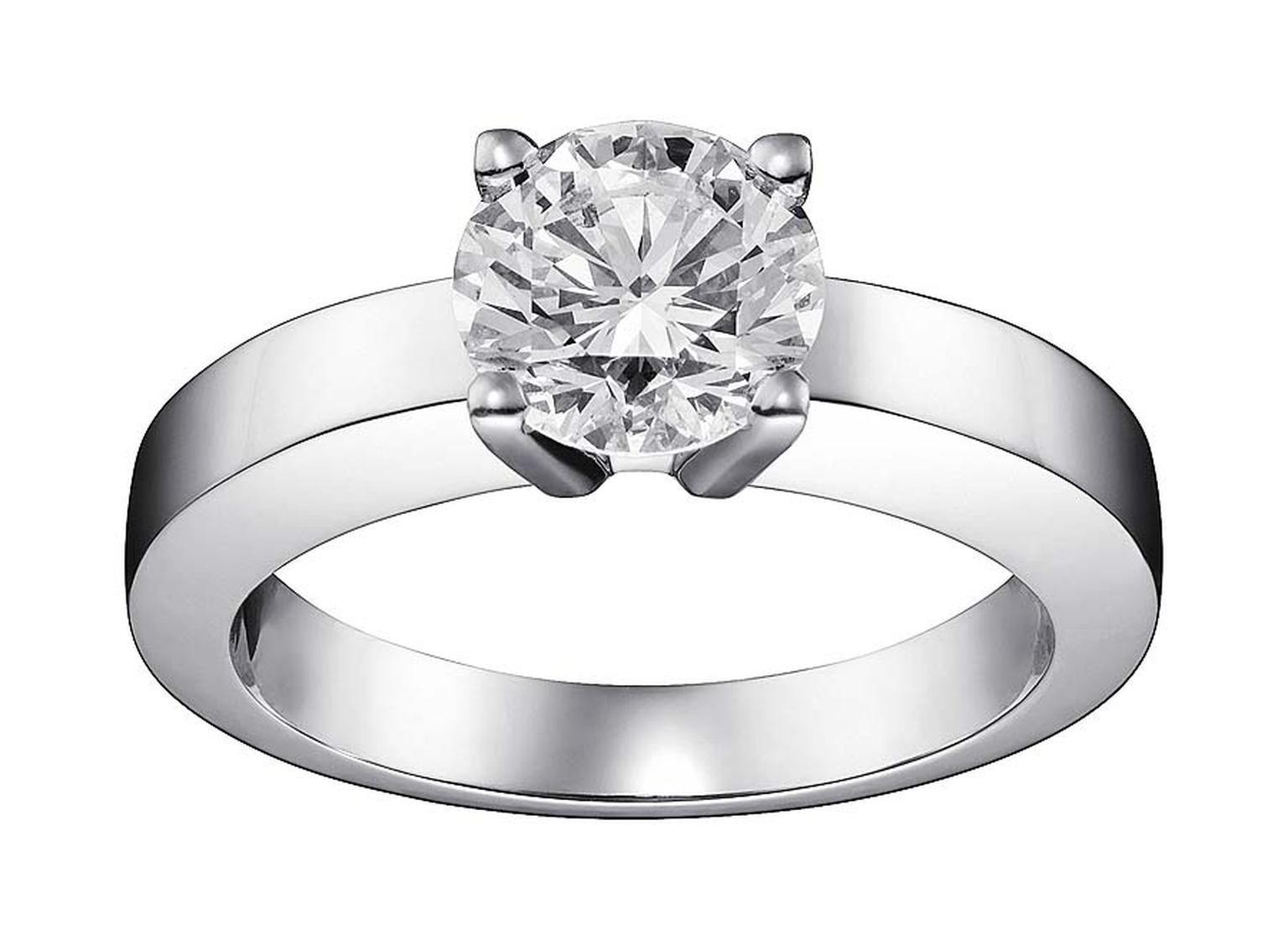
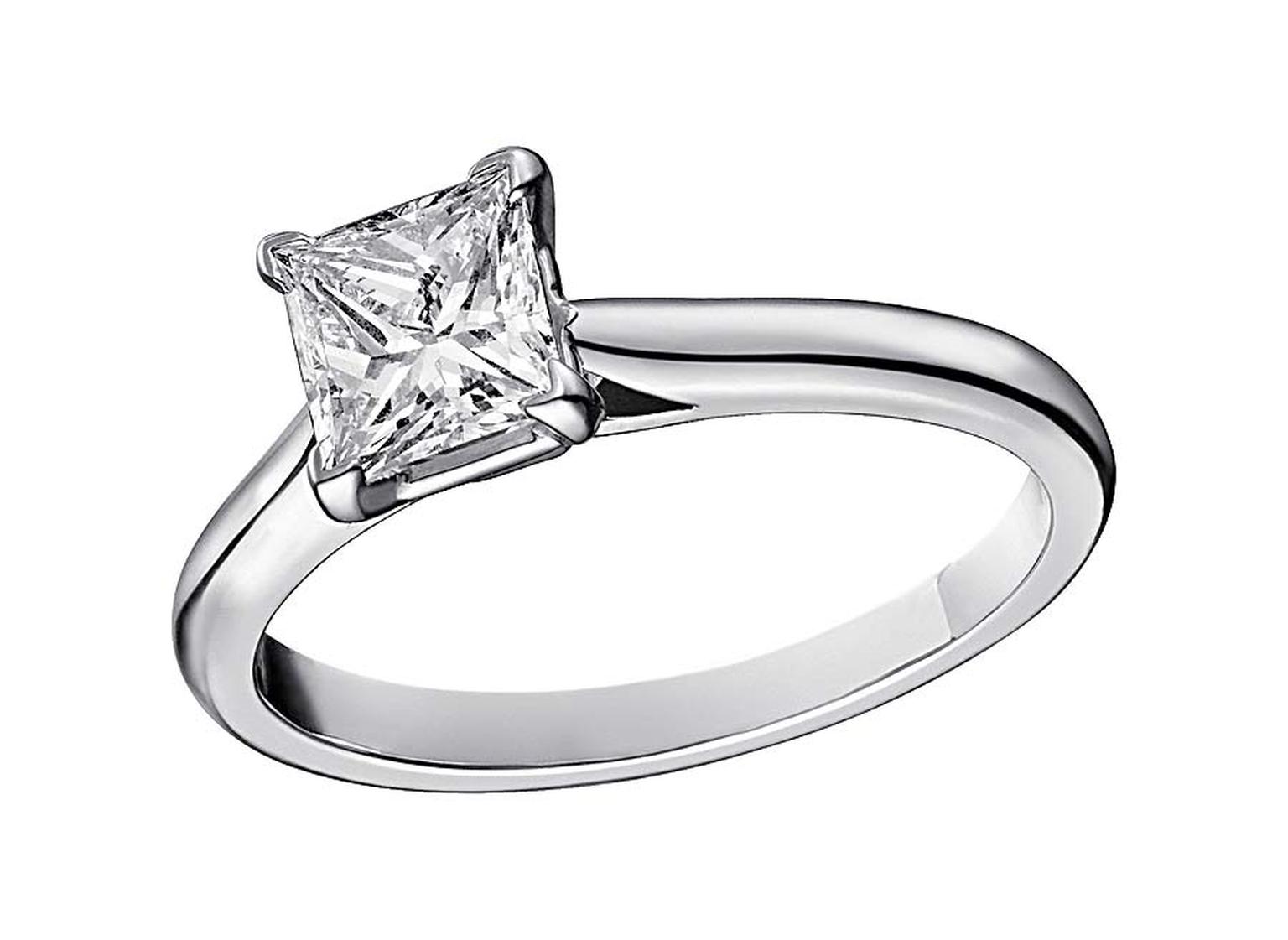
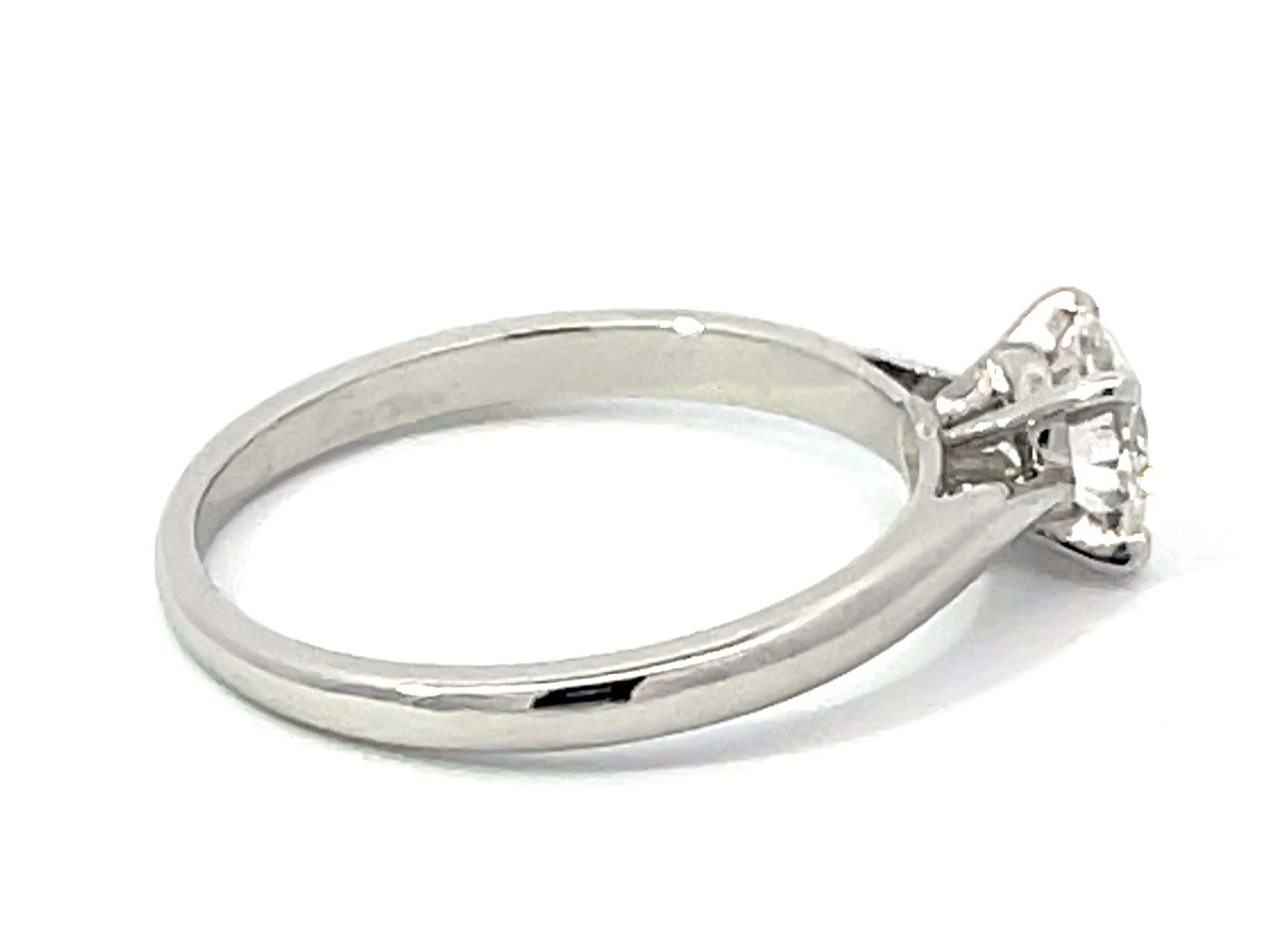
Cartier Solitaire Engagement Ring

So, you’ve decided to pop the question. Congratulations—or my condolences to your bank account. Before you hyperventilate into a paper bag, let’s talk about the king of all commitment symbols: the Cartier solitaire engagement ring. This isn’t just a ring; it’s a tiny, glittering dictator that will rule your finger, your self-esteem, and quite possibly your retirement fund.
The One Ring to Rule Them All
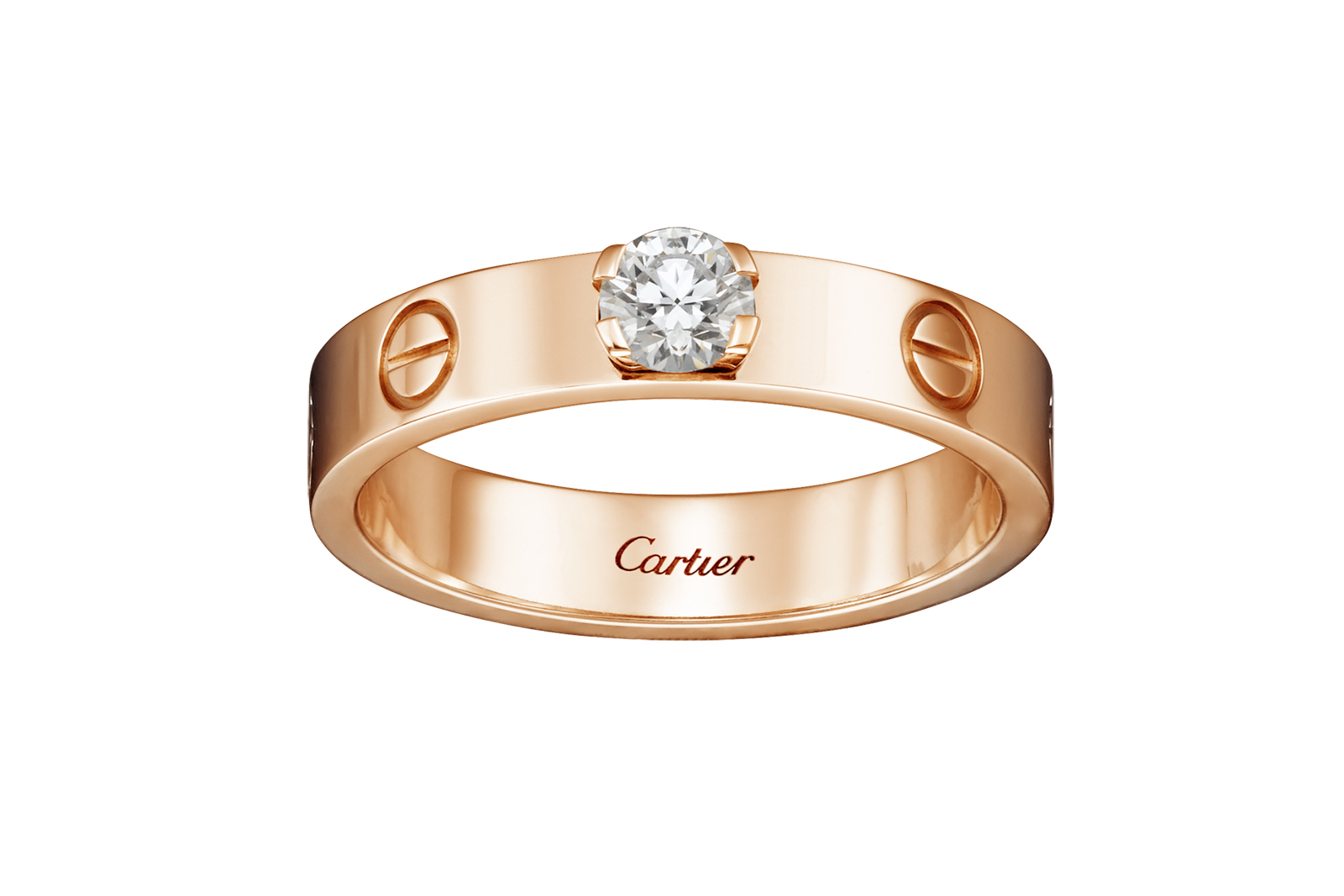
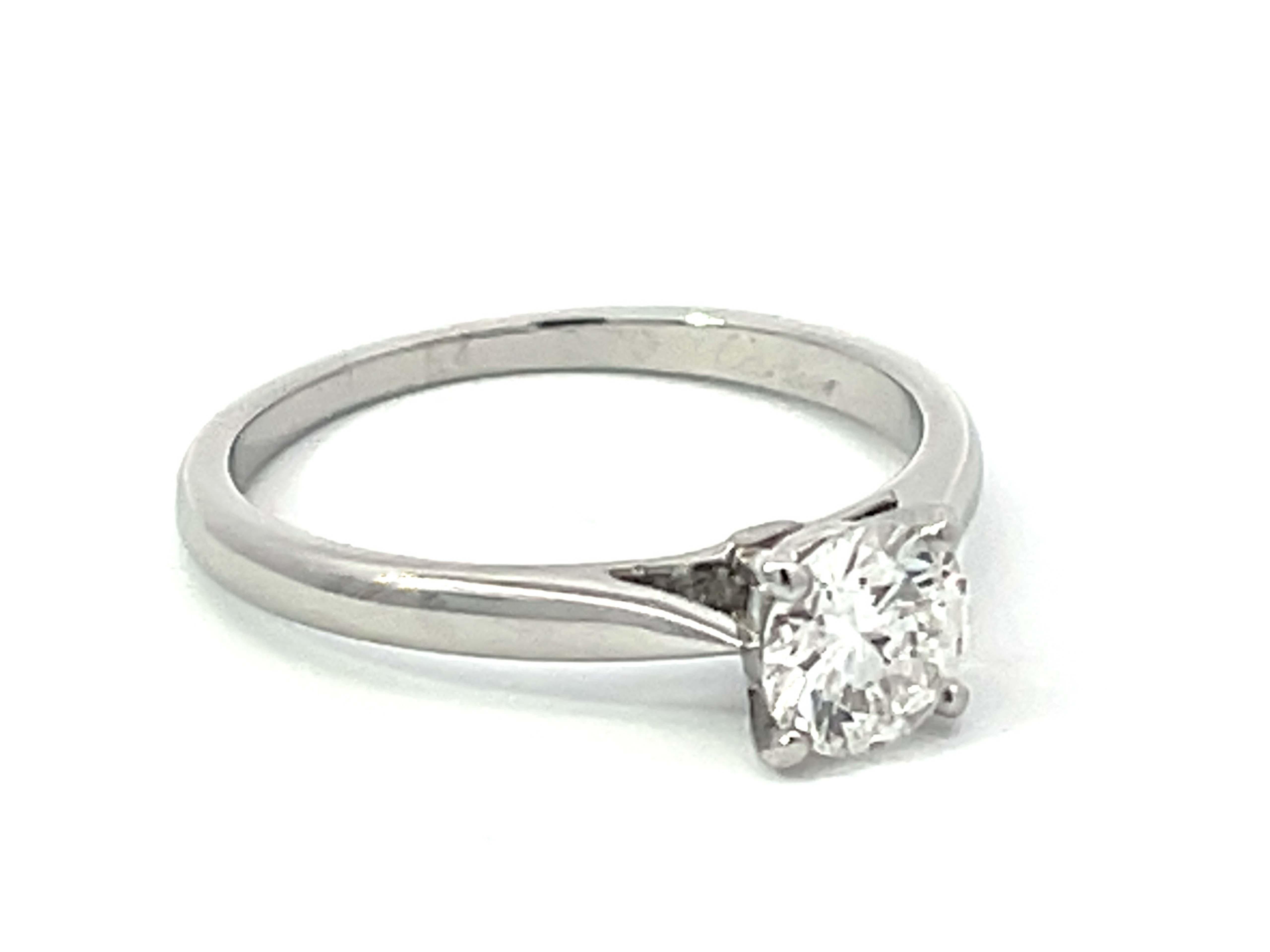
First, let’s get one thing straight: Cartier doesn’t do “subtle.” They do iconic. The solitaire, with its single, defiant diamond perched on a minimalist band, is the little black dress of jewelry—except it costs more than a used car. You’re not just buying a rock; you’re buying a piece of history that has graced the hands of royalty, movie stars, and at least three people who definitely don’t need to worry about rent.
Here’s a fun fact that will blow your mind: Cartier didn’t invent the solitaire, but they perfected the art of making you feel inadequate if you don’t own one. The famous “mounting” is so precise that the diamond seems to float—a trick that has mystified engineers and made jewelers everywhere mutter, “How do they do that?” It’s basically magic, but with a receipt.
Must Read
The Price Tag: A Comedy Show
Let’s talk numbers, because ignoring them is how people end up eating ramen for a decade. A basic Cartier solitaire starts around $6,000—that’s for a diamond that’s cute but not exactly “wow.” Want something with a little more “I love you”? Try $20,000. Heck, if you really want to prove your devotion, you can easily hit $100,000 for a stone that could double as a headlight. I’m not saying it’s a rip-off, but the box alone costs more than a professional massage, and it’s just a red leather rectangle.
The most surprising fact? The diamond’s value is completely made up. De Beers literally engineered the “a diamond is forever” myth in 1947, and Cartier happily jumped on that gravy train. You’re paying for a marketing campaign that has outlived the Cold War. But hey, try telling your fiancée that her ring’s price is a social construct—I dare you. Just have a paramedic on standby.
Why You’ll Love It (and Fear It)
Here’s the good news: a Cartier solitaire is bulletproof in terms of style. It will never go out of fashion, because it’s so simple that it’s become a timeless classic—like denim, but with more carats. The cut is usually a brilliant round, which fires off rainbows like a tiny disco ball on your hand. Every time you wave, you’ll blind someone. It’s a power move.
The bad news? You will become paranoid. You’ll constantly check your finger to make sure the diamond hasn’t teleported out. You’ll start locking your own bathroom door, just in case. And God forbid you wear it to a pool—that’s not a ring, that’s a tile grout detector with a one-way ticket down the drain.
The Real Deal
Let’s be honest: the Cartier solitaire is not a rational purchase. It’s an emotional one, wrapped in a luxurious bow of social status. But if you can swing it, you’ll own a piece that outlasts trends, fads, and possibly your marriage. (Statistically, diamonds survive more than relationships, which is both comforting and terrifying.)
So, take a deep breath. Walk into that Cartier boutique, try on a few rings, and pretend you don’t see the security guard eyeing your sneakers. Then, when you slip that box into your pocket, remember: you’re not just buying a ring. You’re buying a story, a legacy, and one extremely expensive tiny object that will one day make your future daughter-in-law very happy. Or very scared. Either way, you’re set.