
Can You Tell Who The Father Is Before Birth

The question of determining paternity before birth has been a longstanding curiosity for humans, with its roots tracing back to ancient civilizations. In ancient Greece, for instance, the concept of paternity was often linked to the gods, with myths suggesting that the gods could influence the birth of children and determine their fathers. As human understanding and technology evolved, so did the methods and beliefs surrounding the determination of paternity. From the early days of blood type testing in the early 20th century to the more sophisticated DNA testing of today, the journey of discovering who the father is before birth has been marked by significant milestones and fascinating stories.
One of the earliest and most intriguing methods for determining paternity was through blood type testing, which emerged in the 1920s. This method, though not foolproof, provided the first tangible way to predict the likelihood of paternity based on the blood types of the parents and the child. However, its limitations were quickly realized, and the scientific community continued to seek more reliable methods. The introduction of amniocentesis in the 1950s and chorionic villus sampling (CVS) in the 1980s offered more direct ways to analyze fetal DNA, thereby providing a means to determine paternity during pregnancy.
These advancements not only reflected the growing importance of understanding paternity but also underscored the evolving role of technology in facilitating such knowledge. The 1990s saw a significant leap with the introduction of non-invasive prenatal testing (NIPT), which could detect fetal DNA in the mother's blood. This marked a turning point in the history of paternity testing, offering a safer, earlier, and more accurate method of determining the father before birth. The 2000s and beyond have seen further refinements in genetic testing technologies, making it possible to determine paternity earlier in pregnancy with greater accuracy and less risk.
Must Read
Evolution and Transformations
The historical trajectory of paternity testing is replete with transformations, each driven by advances in medical science and technology. From the early 20th century to the present, the evolution of paternity testing has been marked by a transition from indirect methods, such as blood type analysis, to direct DNA analysis. This shift has been instrumental in increasing the accuracy and reliability of paternity tests. Moreover, the 1960s and 1970s saw an increase in social and legal debates surrounding paternity, with changes in family laws and the emergence of more liberal social attitudes facilitating a broader discussion on paternity and its determination.
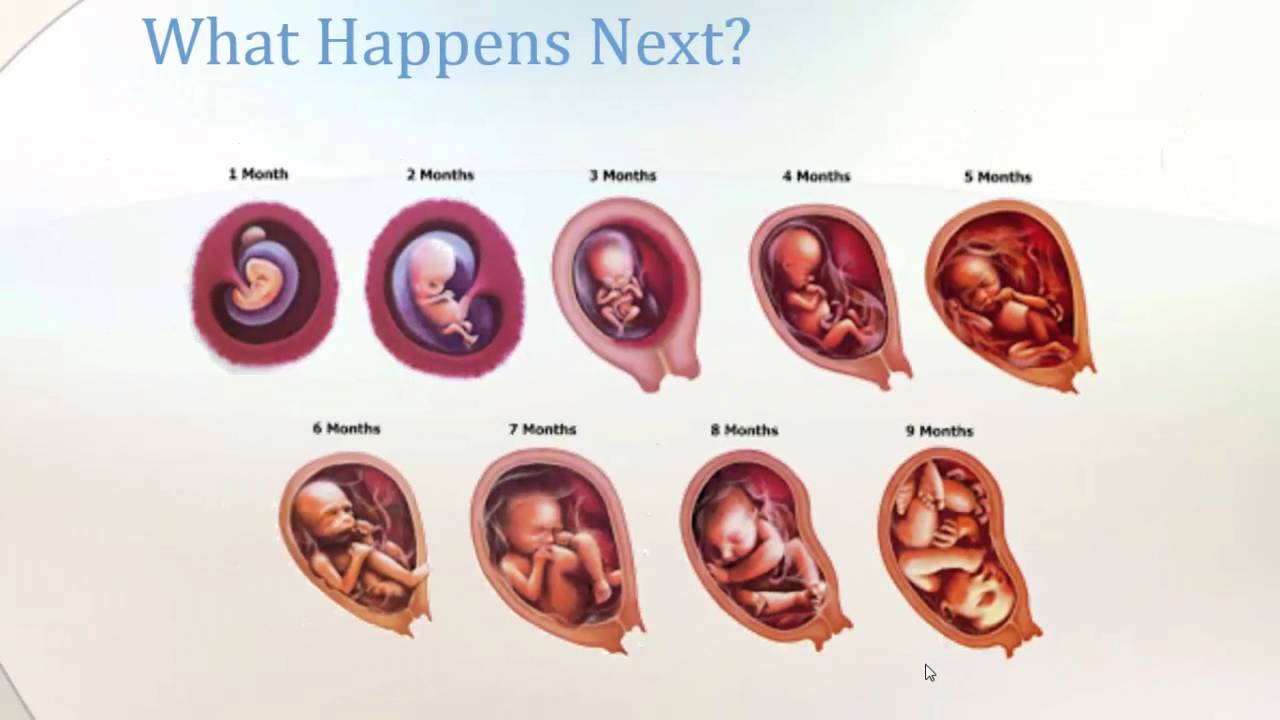
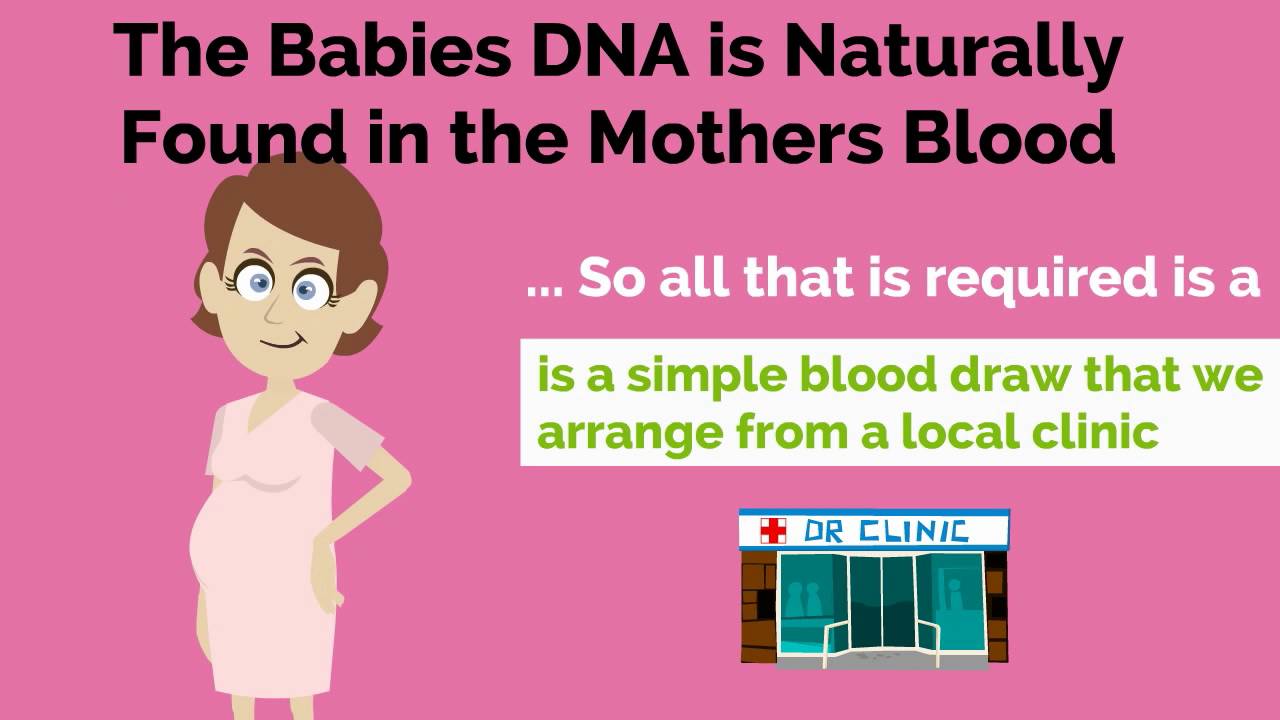
One of the most significant transformations in the history of paternity testing has been the development of non-invasive prenatal diagnosis (NIPD). This method, which analyzes the cell-free fetal DNA present in the mother's blood, has revolutionized the field by providing a risk-free and highly accurate means of determining paternity as early as 7 weeks into pregnancy. The impact of NIPD has been felt not only in medical circles but also in legal and social contexts, where it has influenced policies and practices related to paternity and parental rights.
Forgotten vintage facts about paternity testing include the use of eye and hair color as indicators of paternity in some cultures. These methods, though often based on myth and folklore, highlight the diverse and sometimes bizarre ways societies have attempted to determine paternity throughout history. In contrast, modern approaches rely on genetic science, underscoring the vast progress made in understanding human genetics and its application in determining familial relationships.
The bizarre ways this topic was treated in previous decades are also reflective of societal attitudes towards family, sexuality, and science. For instance, in some cultures, illegitimacy was heavily stigmatized, leading to secretive and often dangerous practices aimed at determining or hiding paternity. These practices not only underscore the challenges faced by individuals and families but also highlight the significance of scientific advancements in offering safer, more reliable, and socially acceptable means of determining paternity.
Modernization and Contemporary Practices
Today, classic principles of paternity testing are being modernized through the application of advanced genetic technologies. Next-generation sequencing (NGS) and other high-throughput genetic analysis techniques have significantly improved the speed, accuracy, and scope of paternity testing. These technologies enable not only the determination of paternity but also the analysis of genetic traits and potential health risks, providing families with comprehensive genetic information.

The modernization of paternity testing also involves the integration of artificial intelligence (AI) and machine learning (ML) algorithms to analyze genetic data. These tools can predict paternity with higher accuracy and speed, reducing the need for invasive procedures. Furthermore, the development of at-home paternity testing kits has made it possible for individuals to collect DNA samples in the privacy of their own homes, which can then be sent to laboratories for analysis. This shift towards personalized and accessible genetic testing reflects broader trends in healthcare towards patient empowerment and personalized medicine.
Frequently Asked Questions
How Accurate is DNA Paternity Testing?
The accuracy of DNA paternity testing is remarkably high, often cited as being 99.9% accurate when the alleged father is indeed the biological father. This level of accuracy is achieved through the analysis of multiple genetic markers, typically short tandem repeats (STRs), which are compared between the alleged father, the child, and often the mother to determine if the alleged father can be excluded as the biological father or if he is likely to be the father based on the genetic evidence.
Historically, the accuracy of paternity testing has improved dramatically. From the early days of blood type testing to the current era of DNA analysis, each step has marked a significant increase in reliability. Today, the use of phenotypic and genotypic traits in conjunction with advanced statistical models ensures that the results of paternity tests are not only highly accurate but also legally admissible in many jurisdictions. This evolution underscores the importance of continuous scientific research and innovation in improving the tools available for determining paternity.
Can Paternity Be Determined Without the Father's DNA?
Determining paternity without the father's DNA is possible through various means, including analyzing the DNA of the child and the mother. In cases where the father's DNA is not available, grandparentage testing or sibling testing can sometimes provide indirect evidence of paternity. These tests compare the DNA of the child with that of the alleged father's parents or siblings to infer a relationship. While not as definitive as a direct paternity test, these methods can offer valuable insights when direct testing is not possible.
The ability to determine paternity without the father's DNA has been particularly beneficial in legal and forensic contexts, where direct samples may not be available. Advances in genetic science have continually expanded the possibilities for paternity testing, including the use of mitochondrial DNA and Y-chromosome analysis for tracing maternal and paternal lines, respectively. These approaches, while not directly determining paternity, can contribute to building a broader picture of familial relationships and ancestry.
How Has the Ability to Determine Paternity Before Birth Impacted Society?
The ability to determine paternity before birth has had a profound impact on society, influencing legal, social, and personal aspects of life. Legally, it has provided a basis for resolving paternity disputes and establishing parental rights and responsibilities earlier in pregnancy. Socially, it has contributed to a shift in family dynamics, allowing for earlier planning and decision-making regarding the pregnancy and the child's future. On a personal level, it has given individuals and families more control over their reproductive choices and family planning.

Historically, the determination of paternity before birth has also been influenced by cultural and ethical considerations. Different societies have viewed paternity and its determination through various lenses, reflecting local customs, religious beliefs, and legal frameworks. The advent of more accurate and earlier paternity testing has forced societies to reevaluate these perspectives, often leading to more nuanced discussions about family, identity, and parenthood. As technology continues to advance, the ethical and societal implications of paternity testing are likely to remain a topic of ongoing debate and consideration.
Looking ahead, the next 20 years are likely to see significant advancements in the technology and application of paternity testing. With the integration of genomics, epigenetics, and artificial intelligence, paternity testing could become even more precise, potentially allowing for the prediction of genetic traits and health risks earlier in pregnancy. This could have profound implications for preimplantation genetic diagnosis (PGD) and in vitro fertilization (IVF), offering prospective parents more information to make informed decisions about their reproductive health.
The future of paternity testing also holds potential for addressing longstanding social and legal challenges related to parental rights, child support, and family law. As testing becomes more accessible and affordable, it could play a critical role in resolving disputes and ensuring that children have access to the support and care they need. Furthermore, the continued evolution of genetic science and technology is likely to reshape our understanding of family, identity, and community, leading to new questions and discussions about the role of paternity testing in society.

