Can You Get Money Back On A Fha Loan

In the pantheon of American homeownership, the FHA loan is the scrappy underdog—the one that showed up to the party without a designer suit but with a killer smile and a willingness to work weekends. Born in 1934 amidst the rubble of the Great Depression, it was designed to pry open the front doors of real estate for the working class, requiring as little as 3.5% down. But here’s the question that keeps countless midnight scrollers awake, their caffeine-addled brains staring at their bank statements: after you’ve closed, after the keys are in your hand, after the moving boxes are unpacked—can you actually get money back on that loan? It sounds like asking a bouncer for a refund after the club kicked you out, yet the answer is far more nuanced than a simple yes or no. It’s a labyrinth of escrow accounts, premium refunds, and a dark twist involving a government entity that acts less like a bank and more like a reluctantly generous uncle.
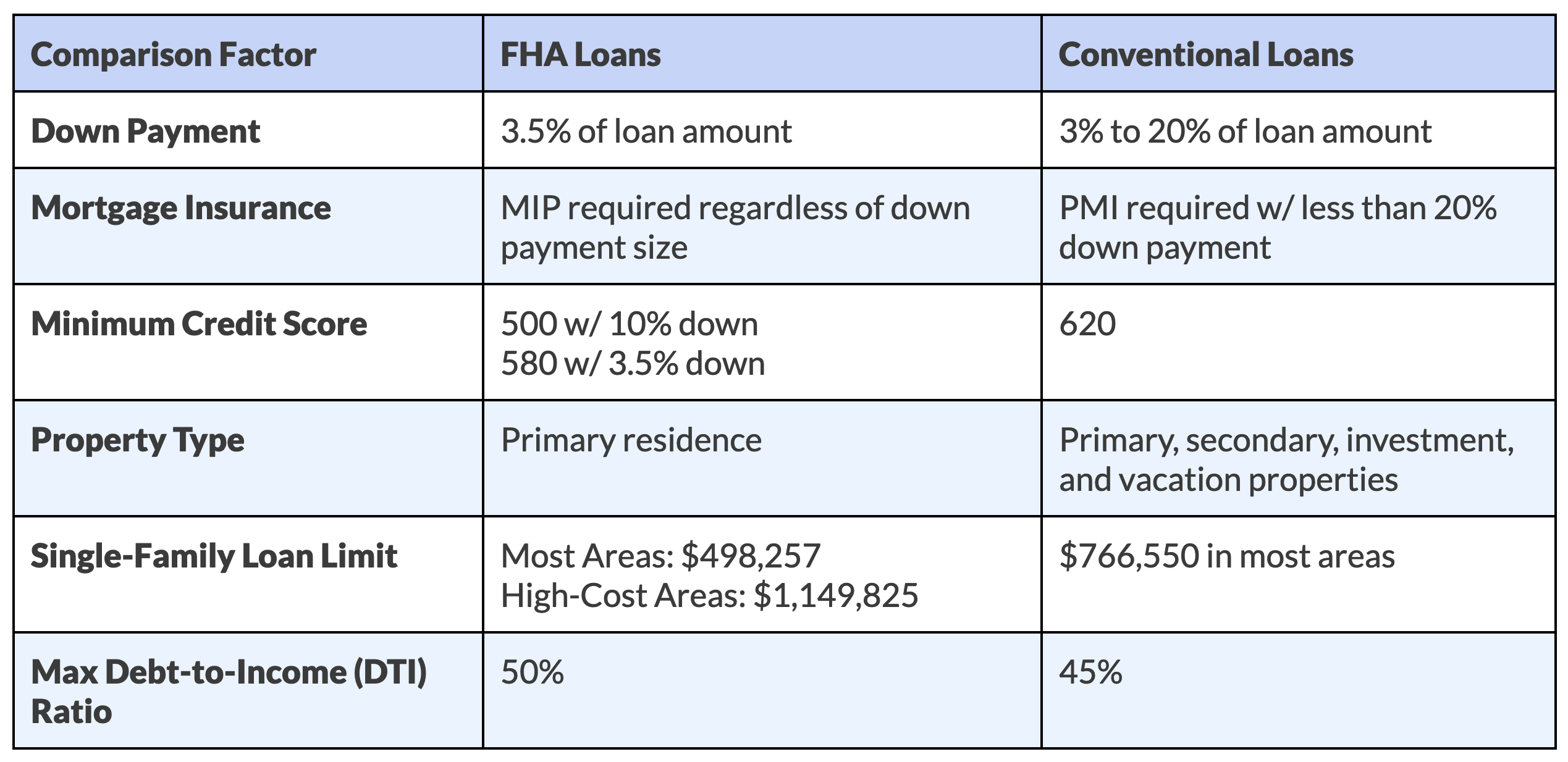
The financial reality is that an FHA loan isn't a store receipt; it's a covenant. But unlike conventional loans, the FHA carries a peculiar apparatus called the Mortgage Insurance Premium (MIP)—a recurring fee that acts like a toll booth on your monthly payment. For years, homeowners were told this toll was eternal, a life sentence for the sin of borrowing with a low down payment. Then, in a dramatic plot twist in 2013, the rules shifted, offering a glimmer of hope for some to cancel that insurance. However, the money-back question extends beyond insurance. It dives into arcane territory: unearned premium refunds if you refinance, and the infamous “distributive share” of the Mutual Mortgage Insurance Fund—a concept so obscure it feels like a secret handshake. In today’s volatile market, where every dollar feels like a hostage negotiation, understanding whether you can claw back your cash is not just smart; it’s a survival tactic.
The Anatomy of Your Refund: Beyond the Piggy Bank
Let’s get one thing straight: you are not getting a refund on your monthly principal or interest. That money is gone, spent on the physical roof over your head. The refund potential lies dormant in two specific places: the upfront MIP (UFMIP) and the annual MIP you pay monthly. When you took out your FHA loan, you likely rolled a 1.75% upfront premium into your loan balance. This is the beast we must tame. If you refinance into a new loan within three years, the FHA will offer you a pro-rata refund on that UFMIP. Think of it as a loyalty discount for switching teams—but the math is brutally fast. The refund plummets each month you hold the loan, disappearing entirely after 36 months. It’s like watching a countdown timer on a spy movie; miss the deadline, and the bomb of lost money detonates silently.
Must Read
But here’s where the psychology gets weird. Most homeowners feel a visceral attachment to their monthly payment, and the idea of “getting money back” triggers a dopamine hit similar to finding a $20 bill in a winter coat. Yet, the FHA is designed to discourage short-term loyalty. The program’s entire financial ecosystem relies on borrowers staying put, paying that MIP for years, to subsidize the defaults of others. When you demand a refund, you’re essentially asking the casino to give back your chips because you had a bad hand. The cultural impact is palpable: we’ve been trained to see refinancing as a cure-all, but the FHA’s refund policy is a cold splash of reality, forcing you to calculate the opportunity cost of your own financial indecision. It’s a game of chess, not checkers, and the FHA is playing grandmaster.
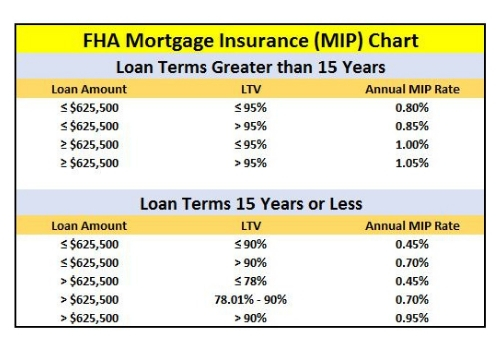
Then there’s the annual MIP cancellation. For loans originated after June 3, 2013, the rules are strict: if you put down less than 10%, you’re married to that MIP for the life of the loan. No divorce, no annulment. However, if you put down 10% or more, you can surrender the MIP after 11 years. That’s not a refund of past payments—that’s a future savings plan. But wait, the dark/fun fact: many people confuse this with a refund, calling their lender demanding money for the 11 years of premiums they paid. In reality, those premiums funded the loans of others who foreclosed during the 2008 crash. You’re not getting that back; you’re just being allowed to stop paying into the collective pot. It’s the most expensive civic duty you’ll ever unknowingly participate in.
Strategies, Scenarios, and Getting Your Hands on the Cash
Let’s paint three portraits. First, meet Sarah, who bought her condo in 2021 with 3.5% down. She’s now two years in, and her neighbor offered to buy her out. Should she sell? No refund there—that’s just equity. But she’s also considering a cash-out refinance to remodel her kitchen. If she refinances into a conventional loan, the FHA will refund her the remaining UFMIP of approximately $1,200 (since she’s past the 24-month mark). It’s a pittance, but it’s free money. However, if she refinances into another FHA loan, the refund is applied to her new loan’s UFMIP, not her bank account. The lesson? To see physical cash, you must quit the FHA program entirely. It’s the financial equivalent of breaking up with a toxic partner to get your belongings back.

Second, we have Marcus, a meticulous spreadsheet warrior. He put 12% down on a duplex in 2018. He’s endured six years of MIP payments, totaling roughly $9,000. He’s five years away from the 11-year mark where MIP automatically drops. But he’s also sitting on a 6.5% interest rate. The current market offers 5.8%. Refinancing now to a conventional loan will kill his MIP immediately, saving him $300/month. The catch? His UFMIP refund is zero because he’s past three years. His actionable takeaway: Do the long-term math, not the short-term refund. The refund is a tiny appetizer; the main course is the interest savings. Marcus should refinance yesterday, not because of the refund, but despite its absence. This is the harsh truth—most people fixate on the $500 refund while ignoring the $15,000 they’ll save on interest. It’s like complaining about the price of the garnish while the steak is burning.
Third, consider the niche scenario of a loan assumption. You sell your home to a buyer who “assumes” your FHA loan. In some rare cases, if the FHA sends you a check for the pro-rata share of your MIP that was paid in advance at closing, it might look like a refund. But usually, this is a clerical error. The third, most practical scenario is the cancellation of the borrower-paid MIP for those with 10%+ down. You don’t get a check; you get a recalculation of your monthly escrow, reflecting lower charges. The actionable takeaway here is to set a calendar reminder for month 120 of your loan. Contact your servicer, provide proof of your loan-to-value ratio, and demand the cancellation. If they fumble, file a complaint with the Consumer Financial Protection Bureau. You’re not being rude; you’re being an auditor of your own destiny. The system is designed to keep your money unless you scream loudly enough.
Finally, let’s talk about the dead. If a borrower passes away, the FHA will refund the UFMIP to the estate minus any claims paid. It’s a morbid but practical way to recover funds, provided the heirs know to ask. This is rarely advertised, and it sits in the “dark fun fact” corner of this article. Most estate attorneys miss this step, leaving thousands of dollars on the table for the government to recycle into someone else’s starter home. The lesson is grim but universal: legacy planning isn’t just about wills; it’s about knowing the specific arteries through which your money can flow back to your loved ones. You have to treat the FHA like a bureaucratic vampire—stake it through the heart with paperwork, and it will bleed coins.
Five Questions That Keep Homeowners Up at Night
1. Can I get a refund on my FHA Mortgage Insurance Premium (MIP) after paying it for several years?
No, not for the annual MIP. That is a usage fee, akin to paying for a Netflix subscription. You don’t get a refund for watching the shows. However, if you refinance your FHA loan into a non-FHA product within 36 months of your original closing, you are entitled to a partial refund of the Upfront MIP (UFMIP). This refund is calculated based on the number of months you held the loan. For example, if you refinance after 12 months, you get roughly 67% of the upfront premium back, pro-rated. After 36 months, you get zero. It’s a fast-moving window, and you must actively request it from your new lender or the FHA itself, as it’s not automatically mailed to you. Think of it as a forgotten umbrella at a restaurant—if you don’t go back for it within a week, it’s gone.

The psychological nuance here is that people often conflate “MIP” with “equity.” You hear “money back” and imagine a check that feels like winning the lottery. In reality, the refund is a fraction of a fraction. For a $300,000 home, the UFMIP is $5,250. Refinancing at month 20 might get you back a check for $1,750. It’s not nothing, but it’s also not enough to fund a vacation to Europe. More importantly, the refund only applies if your new loan is not FHA-insured. If you stay within the FHA family, the refund is applied to the new loan’s UFMIP, acting as a discount on your new fees. This means you never see a penny in your hand; it just lowers your loan balance slightly. It’s a bureaucratic sleight of hand—money moves from one pocket to another within the same worn-out suit.
2. What is the “Distributive Share” I’ve heard about, and can I claim it?
The Distributive Share is the FHA’s version of a winning lottery ticket that almost no one redeems. If you paid off your FHA loan in full without defaulting, and you were one of the lucky borrowers who had a loan guaranteed before a specific date, the FHA might owe you a share of the surplus in the Mutual Mortgage Insurance Fund (MMIF). This fund is a massive pool of money that insures all FHA loans. Over the years, the fund builds up a surplus beyond its required capital ratio. Occasionally, the FHA will authorize "distributive shares" to borrowers who have paid off their loans, essentially giving them a cut of the profits. The catch? It’s incredibly rare, and the eligibility window is narrow, often tied to loans endorsed before 1990. If you have a modern loan, this is a ghost story—scary to think about but completely fictional for your situation.
For the few who are eligible, the process is a slog. You must apply through HUD’s Office of Insurance, providing proof of your payoff date. The amounts can range from a few hundred to several thousand dollars, but the bureaucracy is legendary. You’ll spend hours on hold, only to speak to a representative who sounds confused by your query. The cultural relevance here is the dream of “found money” buried in government systems. It taps into a deep human craving for hidden treasures. If you suspect you have a pre-1990 loan, it’s worth a phone call. For everyone else, save your energy. The distributive share is not a savvy financial strategy; it’s a museum piece you can admire but never touch.
3. Will I get money back if I pay off my FHA loan early with a large lump sum?
Paying off early does not trigger any MIP refund. You will not receive a discount on your remaining insurance premiums. In fact, the FHA will collect the full annual MIP for the year you are in, even if you pay off the loan in January. MIP is not prorated daily like some homeowners’ insurance policies. It’s annualized unless you refinance or sell. So, if you sell your house in June, you’ve already paid MIP through December, and that money is gone. This is a brutal lesson in cash flow management. The refund opportunity only exists for the UFMIP, and only within the 36-month refinance window mentioned earlier. Paying off your loan doesn’t open a refund portal; it slams the door shut.
What you can do is reduce your interest costs by paying principal faster, which shortens the loan term and indirectly reduces the total number of MIP payments you’ll make annually—though each annual fee stays the same. The emotional angle here is the desire for closure. We want a “final bill” that feels satisfying, like paying off a credit card and getting a statement saying $0.00. But the FHA doesn’t care about your emotional closure. They care about actuarial tables. The best strategy is to look at your escrow statement after closing to see if there’s a surplus from property taxes paid in advance. Sometimes, you get a refund check for overpaid taxes from your lender. That’s not an FHA refund; that’s a state property tax refund. Don’t confuse the two—it’s like celebrating a free dessert when you actually paid for it in the buffet line.
4. If I refinance from an FHA to another FHA loan, do I get a refund or just a credit?
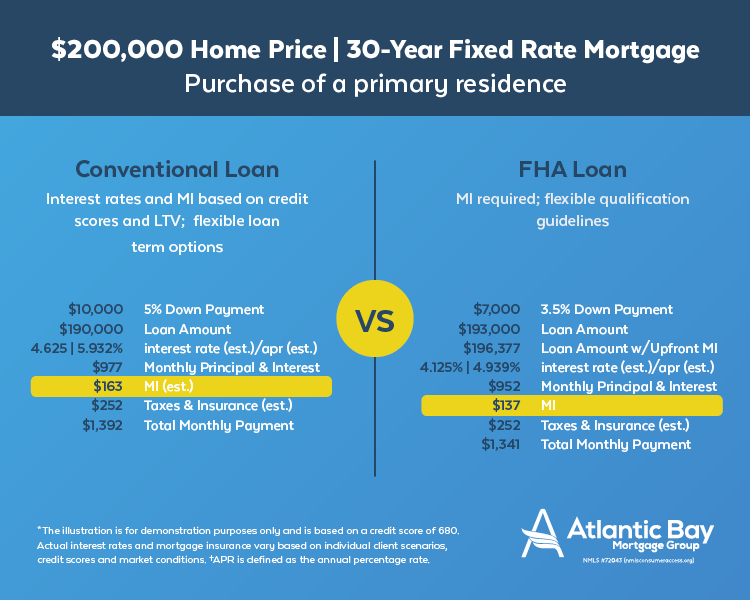
You get a credit, not a cash refund. The FHA Streamline Refinance program is designed to lower your interest rate with minimal documentation. When you do this, the UFMIP you paid on the original loan is not refunded to your bank account. Instead, it’s calculated into your new loan. Imagine returning a shirt to a store that only gives you store credit—you’re still stuck in the same retail ecosystem. The credit will reduce the new UFMIP you owe, but it will not lower your monthly payment directly. It might reduce the loan amount you finance, which saves you a bit of interest over time. This is a stark contrast to refinancing to a conventional loan, which gives you an actual check for the unused portion of the UFMIP.
The practical takeaway: FHA-to-FHA refinances reward loyalty with discounts on future fees, not cash. This is a strategic decision. If you need cash for a home repair, an FHA streamline won’t give it to you. You must jump ship to a conventional loan to see a refund check. However, you must weigh that against the cost of conventional private mortgage insurance (PMI), which might be higher or lower depending on your credit score. The hidden trap is that many borrowers choose the streamline without reading the fine print, confusing the waiver of the upfront fee with a refund. They ask, “Where’s my check?” The answer is: it’s woven into the fabric of your new loan. You’re not richer; you’re just less poor. It’s a corporate version of a participation trophy.
5. What happens to my UFMIP if I default and the FHA pays the claim? Do I have to pay it back?
If you default and your home goes into foreclosure, the FHA pays off your lender via the insurance fund. You do not owe the UFMIP back, but you also cannot claim it as a refund. The insurance worked as intended—it protected the lender, not you. However, be aware that the FHA might pursue a deficiency judgment against you for the difference between the foreclosure sale price and the loan amount, but that is separate from the UFMIP. The UFMIP is treated as a sunk cost. It’s the price of admission to the game, and if you lose, you don’t get your ticket price back. This is the dark underbelly of the FHA system: it’s a social safety net for the housing market, not for individual borrowers who fail.
:max_bytes(150000):strip_icc()/FHAnew-V1-a128f12bf4584ae8a9a5b7d0214cd8e4.png)
From a psychological standpoint, this is where the FHA’s “generosity” ends. The program is funded by the very premiums it charges, and those who default are subsidized by those who don’t. If you default, you become a statistic, not a customer. The only silver lining is that you are not immediately hounded for the UFMIP refund because there is nothing to refund. It evaporated the moment the property went into distress. Understanding this can prevent a world of delusion. You cannot “cash out” the insurance policy on a house you lost. It’s like paying for life insurance and then asking for a refund because you didn’t die. The logic is sound, but the emotional expectation is absurd. The system is cold, actuarial, and unforgiving to the ones who fall.
Reflecting on this entire saga, one realizes that our relationship with the FHA is a mirror of our relationship with the government itself: a mix of paternalistic protection and bureaucratic indifference. We crave the security of the mortgage insurance, yet we resent the premiums. We dream of refunds, but we rarely understand the terms of the contract we signed at the title company. This isn’t just about money; it’s about the human desire for fairness in an unfair system. We want a safety net that also pays us for our good behavior, but that’s not how actuarial science works. The FHA is not a piggy bank; it’s a toll road.
In our daily lives, this topic forces us to confront the illusion of control. We meticulously budget, we track our spending, but we often ignore the labyrinth of federal regulations that govern our largest asset. The smartest move isn’t always chasing a refund; it’s building a strategy that avoids leaving money on the table in the first place. That means reading the fine print, understanding the 36-month refund window, and knowing the difference between a credit and a check. It’s a lesson in agency—taking the time to understand the machine that holds your mortgage hostage.
Ultimately, whether you see a single dollar back from your FHA loan depends less on luck and more on your willingness to act decisively. The system rewards the educated, the persistent, and the slightly paranoid. It’s a dark, funny dance of paperwork and deadlines. But if you can master it, you’ll not only potentially get a few hundred dollars back; you’ll gain the far more valuable gift of financial literacy. And that, unlike your MIP, is something you can use forever.