Can You Get Hiv From Being Fingered
:max_bytes(150000):strip_icc()/hiv-and-oral-sex-49604_final-d21fc90df9a74275a495839877443ea0.jpg)
Let’s be real—some questions feel too awkward to ask your best friend, let alone your doctor. But when it comes to your sexual health, curiosity isn’t just okay; it’s essential. So, let’s tackle the one that’s been simmering in group chats and late-night Google searches: can you get HIV from being fingered?
Spoiler alert: the short and sweet answer is no. But before you breathe a sigh of relief and move on, let’s unpack the why, the how, and the "but wait" moments that make this topic worth your attention.
The Straight-Up Science (No Lab Coat Required)
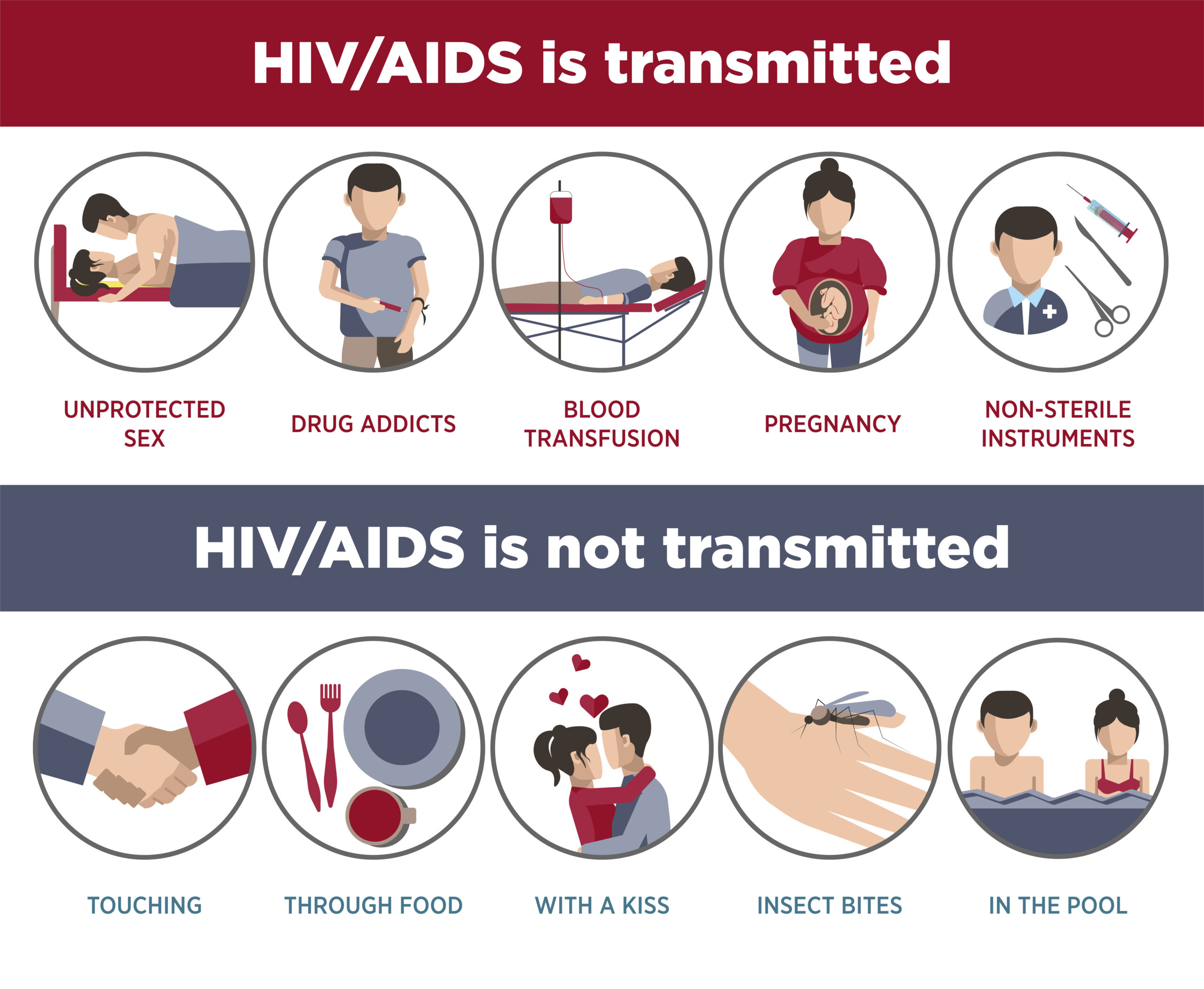
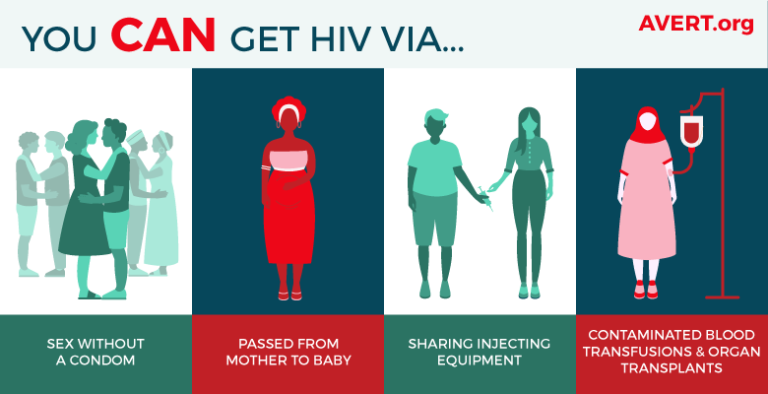
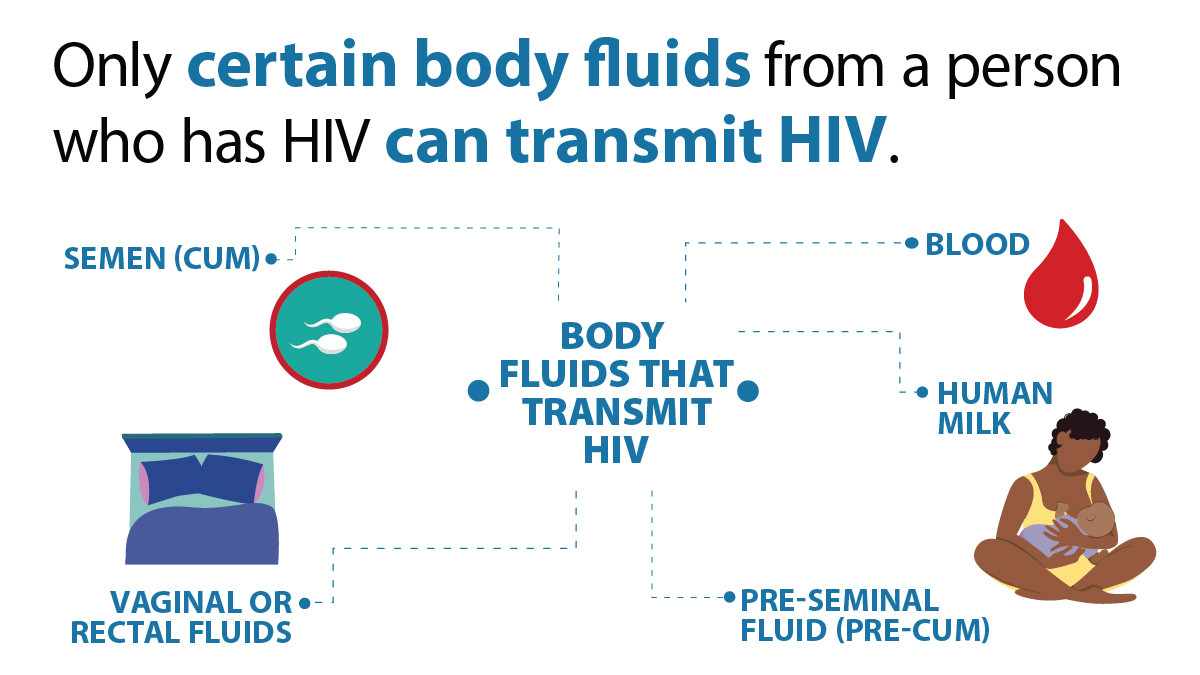
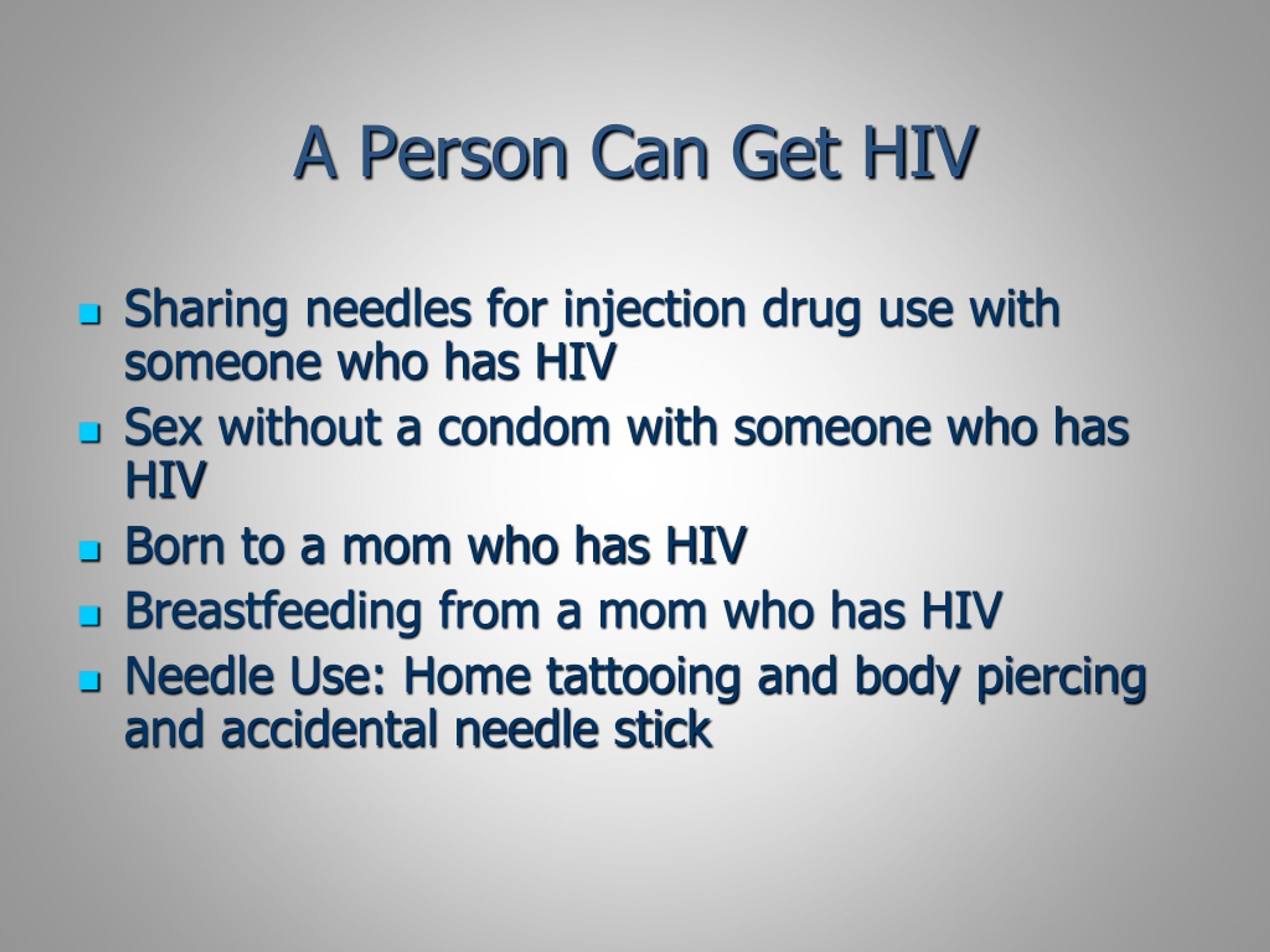
HIV is a fragile virus outside the body, and it needs a very specific highway to travel: blood, semen, vaginal fluids, or breast milk. For transmission to happen, those fluids must reach your bloodstream through a mucous membrane, a deep cut, or direct injection.
Must Read
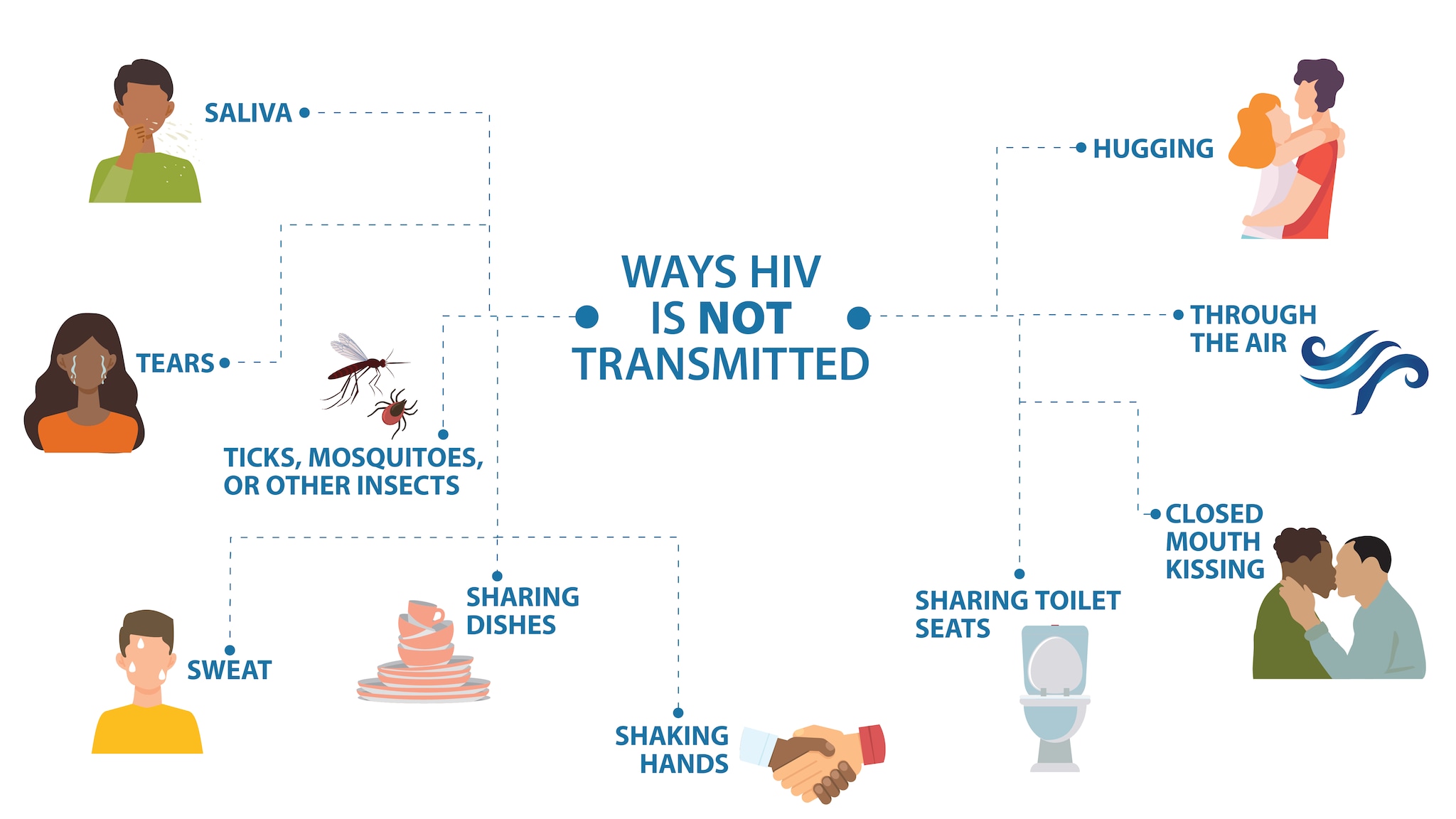
Fingering—whether vaginal or anal—involves fingers, not bodily fluids swapping in the high-risk way. The skin on your hands is thick, tough, and designed to be a barrier, not a doorway. Unless your partner has an open bleeding wound on their finger and you have an open bleeding wound on your genitals, the odds are astronomically low—essentially negligible.
The CDC and WHO both classify this activity as "no risk" or "negligible risk" for HIV. That’s the kind of scientific consensus you can actually sleep on.
But Wait, There’s a Plot Twist (It’s Not HIV)
Just because HIV isn’t crashing the party doesn’t mean the party is completely safe. Fingering can still transmit other infections, especially if there’s no lubrication and the skin gets micro-tears. Think of it like this: HIV is the celebrity you’re worried about, but chlamydia and gonorrhea are the plus-ones who slip in through the side door.

Bacterial infections like those love warm, damp environments—and your fingers can easily carry them from one place to another. Also, if your partner has a cold sore on their finger (a thing called herpetic whitlow), that herpes virus is very transferable to mucous membranes. Not fun, not fashionable, but totally preventable.
The real MVP here is hand hygiene and a good water-based lubricant. Yes, the same lube you use for other activities—this is its moment to shine.
Pop Culture and the "What If" Factor
Remember that plotline in Euphoria where everyone’s panicking about a rumor more than the virus? That’s a perfect mirror for this question. The fear around HIV is so loud that it drowns out the facts.
Fingering is actually a lower-risk activity than giving a handjob with a cut on your hand, and way lower than unprotected vaginal or anal sex. It’s also a form of foreplay that many couples use to build intimacy without full penetration—which is a smart harm-reduction move if you’re not using condoms. So, if anything, give it a quiet round of applause.
Even the most cautious queer and straight communities agree: mutual masturbation and fingering are on the “green light” list for HIV transmission. That’s a win.
Practical Tips for a Smooth (And Safe) Experience
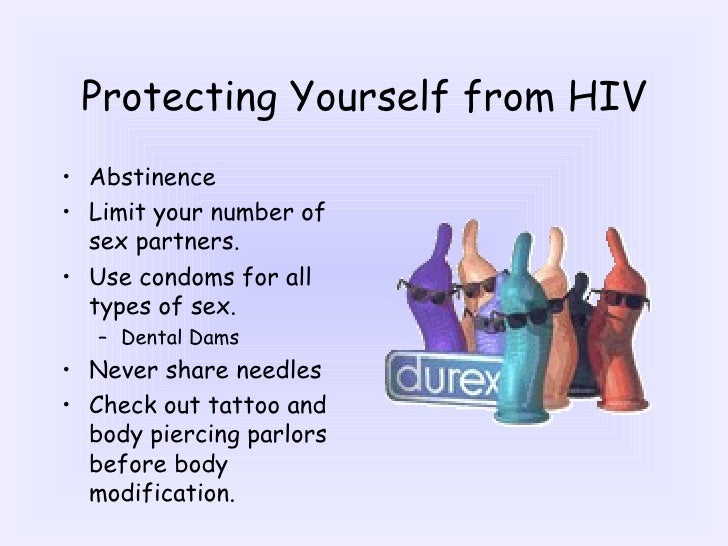
1. Trim and File Those Nails
Sharp nails can cause tiny cuts inside the vaginal or anal lining—those micro-tears are entry points for other infections, even if not HIV. Keep them short and smooth. Think of it as grooming for a specific purpose.
2. Lube Is Your Bestie
Go for a high-quality water-based or silicone-based lube. It reduces friction, which means less tissue damage and more pleasure. No lube? Friction can cause redness and small abrasions—unnecessary drama.
3. Gloves or Finger Cots (Yes, They Exist)
If you have any cuts, hangnails, or if you’re being extra cautious, slip on a nitrile glove. It’s a clean, sexy, and ultra-safe move that also feels surprisingly smooth. Bonus: it protects against HPV and other skin-to-skin viruses, too.
4. Don’t Reuse the Same Finger for Different Holes
Vagina to anus, or anus to vagina without washing? That’s how you get bacterial vaginosis or a UTI. Gross, preventable, and very real. Wash your hands or switch gloves before switching zones.
:max_bytes(150000):strip_icc()/hiv-transmission-5086570-Final-13ee7bc434564d2cbab3a3734327ef0c.jpg)
The Mental Health Angle: Anxiety Is Real
If you’re still worried after reading this, that’s okay. Sexual anxiety is a legit thing, and it doesn’t care about statistics. Talking to a healthcare provider or a sexual health counselor can give you peace of mind that a blog post can’t.
Getting tested regularly for all STIs is a form of self-love, not just paranoia. Knowing your status—and your partner’s status—removes the guesswork from intimacy.
A Little Reflection for Your Daily Life
So, can you get HIV from being fingered? Practically speaking, no. But what this question really reveals is how much we crave safety in vulnerability. Whether it’s a first date or a long-term partner, the best protection isn’t just a negative test—it’s honest communication and a commitment to learning without shame.
Next time your mind spirals into “what if” territory, take a breath and lean into the facts. Knowledge is the most attractive accessory you can wear, and it never needs a dry clean. Now go enjoy your life—fingertips safely on deck.