Can You Get Cash Off Your Credit Card

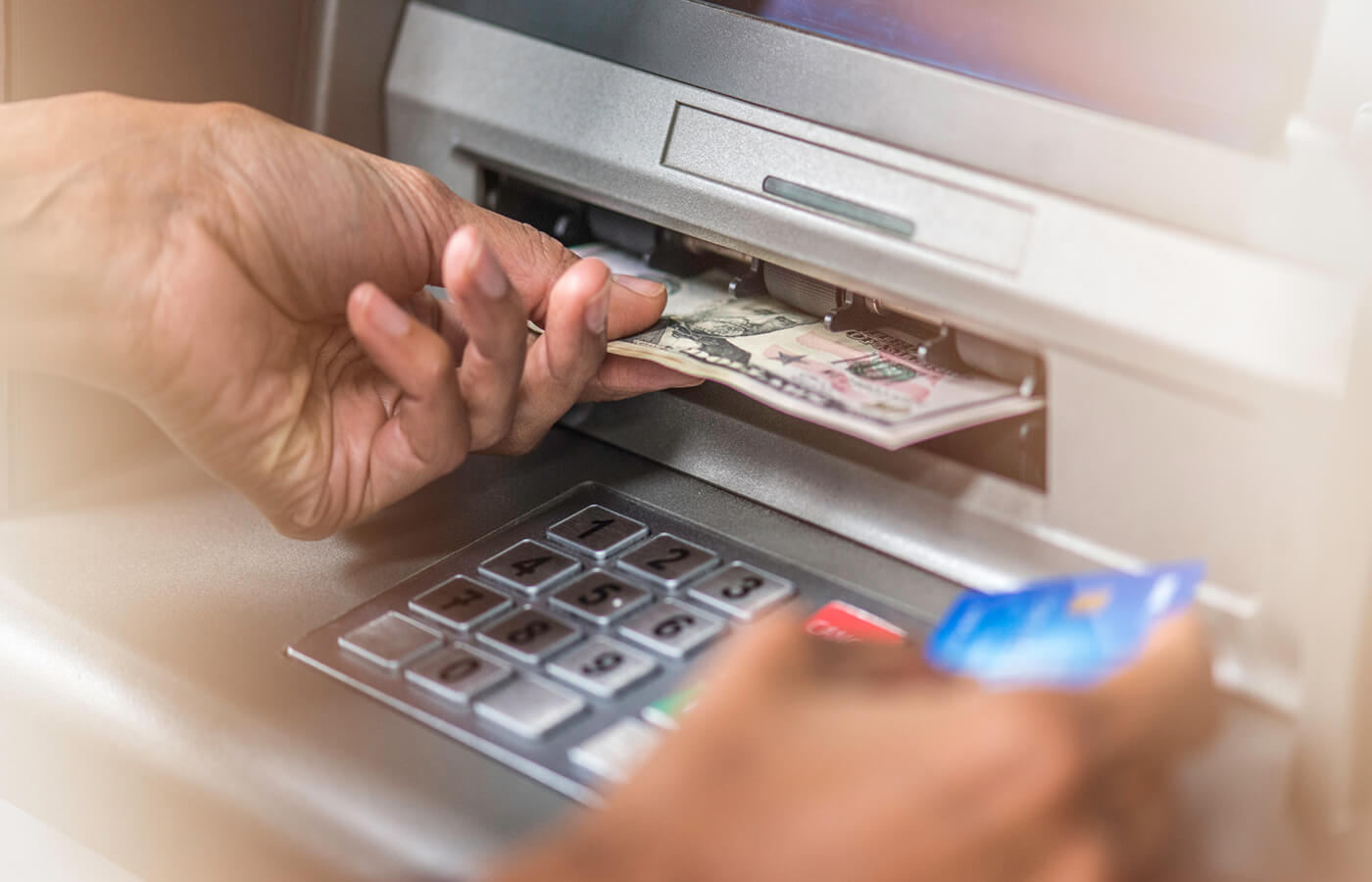
The ability to get cash off your credit card is a feature that has both fascinated and intimidated many cardholders. At its core, this feature, known as a cash advance, allows you to withdraw cash from an ATM or bank teller using your credit card. However, understanding the mechanics behind this feature is crucial to using it effectively and avoiding potential pitfalls. The process involves receiving a short-term loan from your credit card issuer, with the amount being drawn from your available credit limit.
When you use your credit card for a cash advance, the transaction is treated differently than a standard purchase. For one, interest rates for cash advances are typically higher than those for purchases, and interest charges can begin accruing immediately, with no grace period. Additionally, cash advances often come with transaction fees, which can range from a flat fee to a percentage of the advance amount. These factors underscore the importance of understanding the terms and conditions of your credit card agreement before opting for a cash advance.
The decision to get cash off your credit card should be made with caution, considering the potential financial implications. It's essential to weigh the benefits against the costs, especially in situations where alternative options might be available, such as a personal loan or a home equity line of credit, which might offer more favorable terms. Moreover, individuals should consider their credit score and how repeated cash advances might affect their credit utilization ratio, potentially impacting their ability to secure credit in the future.
Must Read
Understanding the Financial Implications
Beyond the surface-level mechanics, getting cash off your credit card interacts with our daily financial lives in complex ways. The psychological aspect of spending cash versus using a card can lead to different spending behaviors, with cash often fostering a greater sense of financial awareness and responsibility. However, the ease of obtaining cash through a credit card can sometimes blur this line, leading to overspending and accumulation of debt. It's crucial, therefore, to maintain a budget and stick to it, ensuring that any cash advances are factored into your overall financial planning.
The biology of financial decision-making also plays a significant role, as stress and emotional states can greatly influence our choices regarding money. The stress response, triggered by financial insecurity or the need for immediate cash, can lead to impulsive decisions, such as taking a cash advance without fully considering the consequences. Understanding these biological and psychological factors can help individuals make more informed, less impulsive financial decisions.
Furthermore, the systemic reactions within the financial ecosystem must be considered. Credit card companies and banks offer cash advance features as part of their services, but they also implement various regulatory measures to manage risk. These measures can include credit limits, interest rate caps, and fee structures designed to protect both the consumer and the lender. Navigating these systems effectively requires a deep understanding of how they operate and impact your financial health.

Mastery and Optimization Strategies
To master the use of cash advances from credit cards, it's essential to adopt strict, measurable strategies. First, review your credit card agreement thoroughly to understand the terms and conditions associated with cash advances, including interest rates, fees, and any promotional offers that might be available. This knowledge is crucial for making informed decisions about when and how to use this feature.
Second, budgeting and tracking are key. Before taking a cash advance, ensure you have a clear picture of your financial situation, including your income, expenses, and any outstanding debts. This will help you determine if a cash advance is truly necessary and if you can afford the associated costs. Additionally, implementing a budgeting app or spreadsheet can provide real-time insights into your financial health and help you stay on track.
Third, consider alternative options before opting for a cash advance. Depending on your credit score and financial history, you might qualify for a personal loan with a lower interest rate or more favorable terms. It's also worth exploring emergency funds or savings accounts as a source of cash, as these can provide quick access to money without the need for debt.
Lastly, educating yourself on personal finance and the specifics of credit card use is a long-term strategy for mastery. Understanding credit scores, interest rates, and debt consolidation can empower you to make better financial decisions, avoiding the pitfalls associated with cash advances and other credit card features. This education can be pursued through financial planning courses, personal finance blogs, and credit counseling services.
Frequently Asked Questions
How Do I Know If I Should Take a Cash Advance?
The decision to take a cash advance should be based on a careful consideration of your financial situation and the terms of your credit card agreement. It's essential to ask yourself if the need for cash is immediate and unavoidable, and if you have explored all other options. Additionally, calculating the total cost of the cash advance, including interest charges and fees, can help you determine if it's a viable solution.
In practical terms, creating a financial plan that includes emergency funding and budgeting for unexpected expenses can reduce the need for cash advances. Moreover, building an emergency fund can provide aSafety net for unexpected expenses, reducing reliance on credit card cash advances. It's also crucial to review and adjust your financial plan regularly to ensure it remains aligned with your changing financial needs and goals.
What Are the Immediate Costs Associated with Cash Advances?
The immediate costs of a cash advance include transaction fees, which can be a flat rate or a percentage of the advance amount, and interest charges, which can begin accruing immediately. Additionally, the interest rate for cash advances is often higher than for purchases, further increasing the cost. It's also worth noting that cash advances may be subject to foreign transaction fees if used abroad, adding another layer of expense.
To mitigate these costs, it's advisable to read the fine print of your credit card agreement carefully and understand all the fee structures associated with cash advances. Furthermore, comparing rates and terms across different credit cards can help you find the most favorable option if you must take a cash advance. Implementing financial management tools, such as budgeting apps, can also help track expenses and avoid unnecessary costs.
Can Cash Advances Affect My Credit Score?
Cash advances can indeed impact your credit score, particularly if they lead to an increase in your credit utilization ratio. This ratio, which compares your outstanding debt to your available credit, is a significant factor in determining your credit score. High utilization can negatively affect your score, making it more difficult to secure credit in the future.
To minimize the impact on your credit score, it's essential to keep your credit utilization ratio low by paying down your balance promptly and avoiding maxing out your credit card. Additionally, making on-time payments and monitoring your credit report for errors can help maintain a healthy credit score. Considering credit score tracking tools and credit monitoring services can provide insights and alerts to help you stay on top of your credit health.
Are There Alternatives to Cash Advances for Emergency Funding?
Yes, there are several alternatives to cash advances for emergency funding, including personal loans, home equity lines of credit (HELOCs), and emergency savings funds. These options often offer more favorable terms, such as lower interest rates and fewer fees, making them more sustainable solutions for covering unexpected expenses.
In exploring these alternatives, it's crucial to evaluate the terms and conditions carefully, considering factors such as interest rates, repayment terms, and any associated fees. Additionally, building an emergency fund over time can provide a stable source of funding for future unexpected expenses, reducing the need for debt. Financial planning professionals can offer guidance tailored to your specific financial situation, helping you navigate the best options for emergency funding.
How Can I Avoid Needing Cash Advances in the Future?
Avoiding the need for cash advances in the future requires a combination of financial planning, budgeting, and emergency preparedness. Starting an emergency fund and contributing to it regularly can provide a cushion against unexpected expenses. Furthermore, reviewing and adjusting your budget to account for irregular expenses and savings goals can help prevent financial shocks.
In addition, increasing your income through side hustles or professional development, and reducing debt by consolidating loans or negotiating lower interest rates, can improve your overall financial stability. Adopting a long-term financial mindset and seeking advice from financial advisors can also help in making strategic decisions that reduce reliance on cash advances and other forms of high-interest debt.
Reflecting on the science behind getting cash off your credit card, it becomes clear that respecting this science makes us better, more efficient humans. By understanding the biological and psychological factors that influence our financial decisions, we can develop strategies to overcome impulsive choices and make more informed, sustainable decisions. This understanding also fosters a greater appreciation for the importance of financial literacy and planning, empowering individuals to take control of their financial health.
Furthermore, mastering the use of cash advances and other credit card features through data-driven, pragmatic approaches enhances our ability to navigate complex financial systems efficiently. By applying life hacks and optimization strategies, individuals can minimize costs, avoid debt traps, and build a more secure financial future. This mastery not only improves personal financial stability but also contributes to a more informed and responsible approach to financial decision-making, benefiting both individuals and the broader economic community.