Can You File Bankruptcy On Titlemax

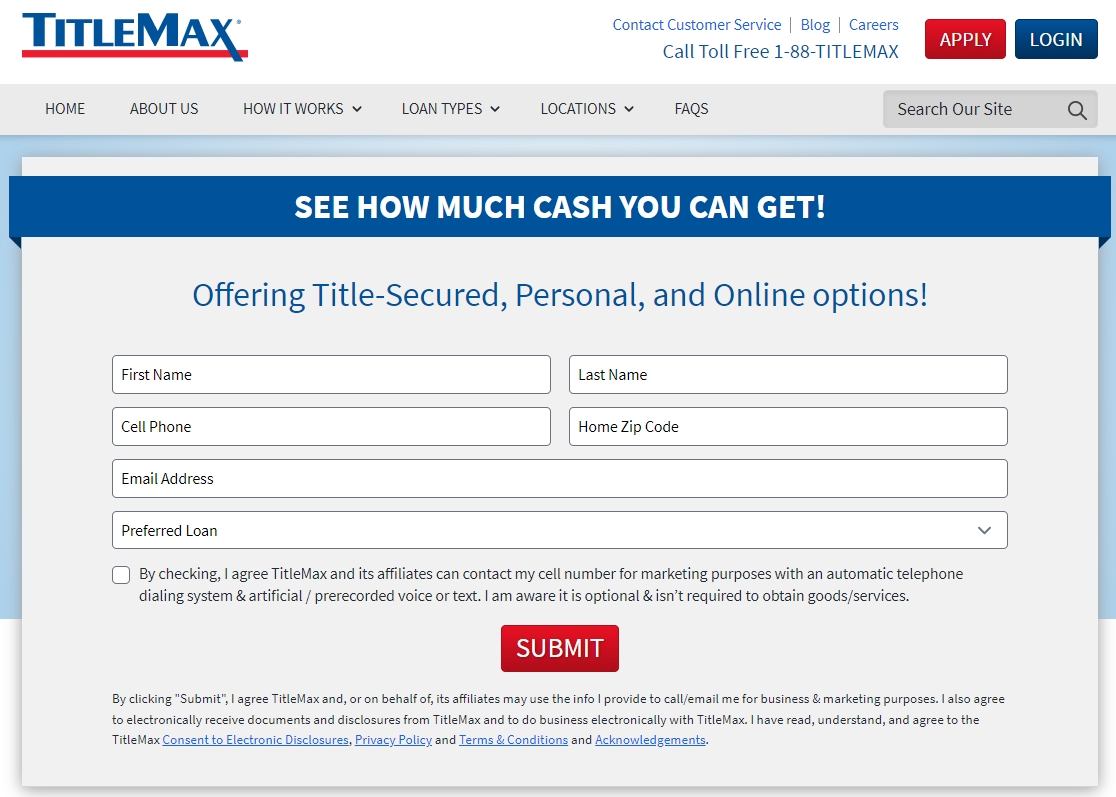
Let’s face it: money gets tight, and sometimes the car in your driveway is the only lifeline you have left. That’s why places like TitleMax exist—they let you borrow against your ride’s title, promising fast cash without a credit check. It feels like a lifesaver when the rent is due or the fridge is empty, and for many, that instant approval is the difference between a bad week and a total disaster.
The real benefit is convenience. You keep driving your car while you pay down the loan, which sounds perfect for everyday life—no one wants to lose their wheels over a utility bill. But here’s the rub: these loans carry sky-high interest rates, often over 200% APR, and the debt can balloon faster than a popped tire. If you’re struggling, you might wonder, “Can I just erase this with bankruptcy?”
The short answer is yes, you absolutely can, but there’s a big catch that changes everything. Bankruptcy does wipe out your personal liability for the loan, meaning you don’t owe the money anymore. However, TitleMax holds a secured lien on your vehicle, which is a legal claim that survives bankruptcy—so they can still repossess your car unless you pay off the current value.
Must Read
Think of it this way: bankruptcy is like a magic eraser for your debts, but it can’t erase the lender’s physical grip on your title. If you file Chapter 7, you might have to surrender the car or pay a “redemption” amount equal to what the car is worth, not what you owe. In Chapter 13, you might keep the car by rolling the loan into a repayment plan, but that only works if you can handle the new monthly budget.
Here’s where everyday examples come in. Say your car is worth $5,000, but you owe $7,000 on a TitleMax loan. Filing bankruptcy erases the extra $2,000, but you still must pay $5,000 to keep the car—often in one lump sum. Most people don’t have that lying around, so they end up handing over the keys anyway. That’s the harsh reality: bankruptcy gives you a fresh start, but it might not save your ride.
So, how do you navigate this mess more effectively? First, never file bankruptcy before speaking to a local auto finance attorney—they know your state’s exemption rules, which can sometimes protect a cheap car up to a certain value. Second, consider “redemption financing,” where a third-party lender pays the car’s value to TitleMax, then gives you a normal loan—but that’s hard to find with bad credit.
Another practical tip: act before the repo man does. Once TitleMax repossesses the car, bankruptcy won’t force them to give it back; you’ll lose it for good. If you still have the car, you can negotiate a surrender in bankruptcy to get rid of the debt and then buy a beater with cash. And remember, filing bankruptcy on TitleMax does not hurt your ability to own a car later—you just have to use a “buy here pay here” lot after discharge.

The best move, though, is to avoid the trap altogether. If you’re considering a title loan, sell the car instead, or borrow from a credit union, which charges single-digit interest. If you’re already in the hole, don’t wait until the last minute—the earlier you file, the more options you have to keep or walk away cleanly.
In the end, bankruptcy can be a life raft, but it won’t be a magic wand for your TitleMax loan. You’ll have to choose between paying the car’s true value or letting it go. The smartest play? Get free advice from a nonprofit credit counselor before you sign anything. That one hour could save you thousands and the headache of explaining to your boss why you’re suddenly riding the bus to work.
So go ahead, breathe, and know that relief is possible—just not the way you hoped. Bankruptcy is a serious, powerful tool, but it works best when you understand exactly what it can and cannot protect. Talk to a pro, crunch the numbers, and make the call that keeps your family fed and your peace of mind intact, even if it means saying goodbye to the old sedan.