Can You Catch Hiv From Breast Milk
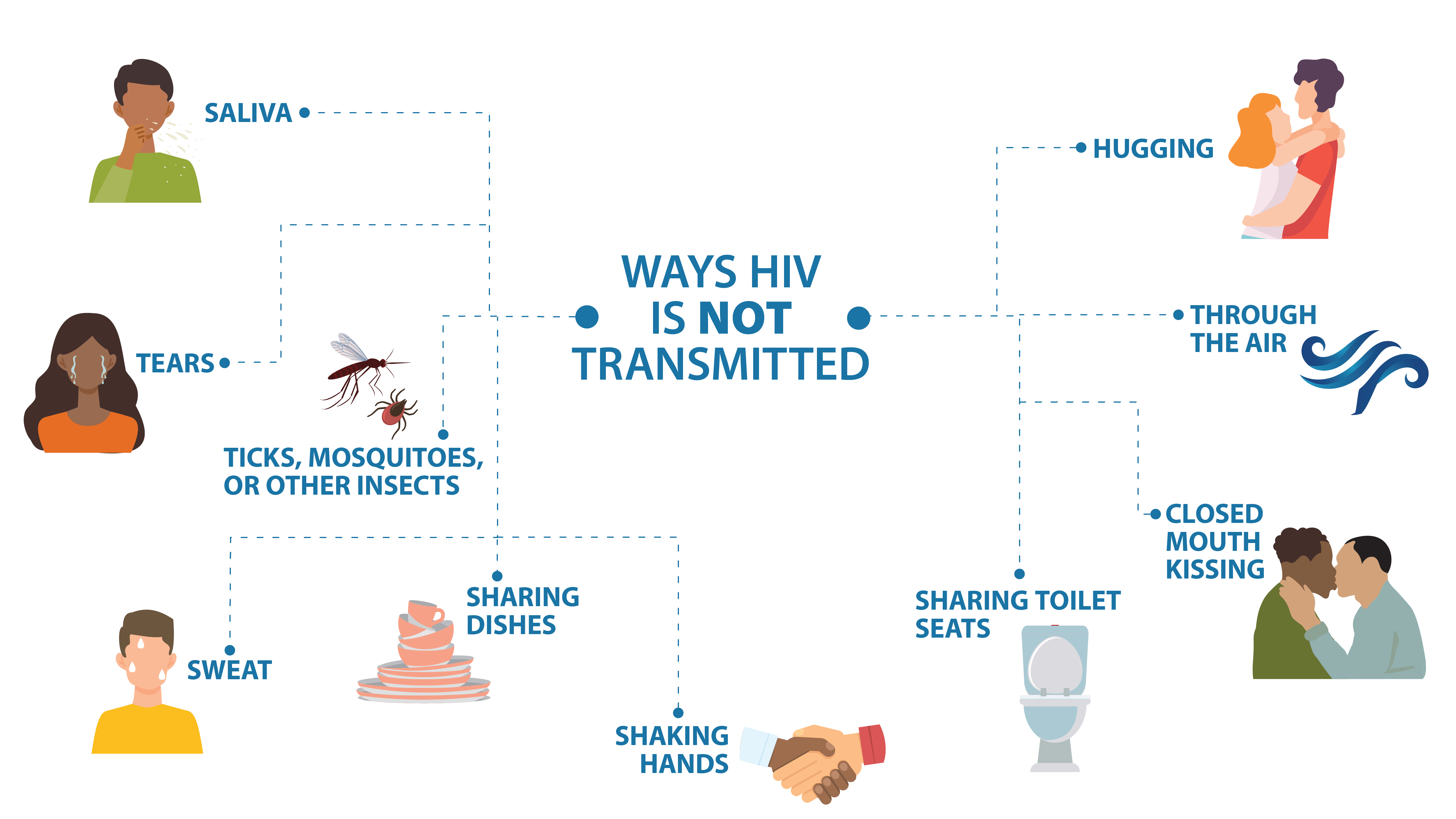
Picture this: you’re at a baby shower, cooing over tiny onesies, when someone drops the question that kills the vibe—“Wait, can you actually get HIV from breast milk?” The room goes quiet, and suddenly everyone is pretending to be deeply interested in the fruit platter. Let’s clear the air with facts, not fear, because this is one topic where misinformation spreads faster than gossip at a brunch spot.
The Short Answer? Yes, But It’s Not That Simple
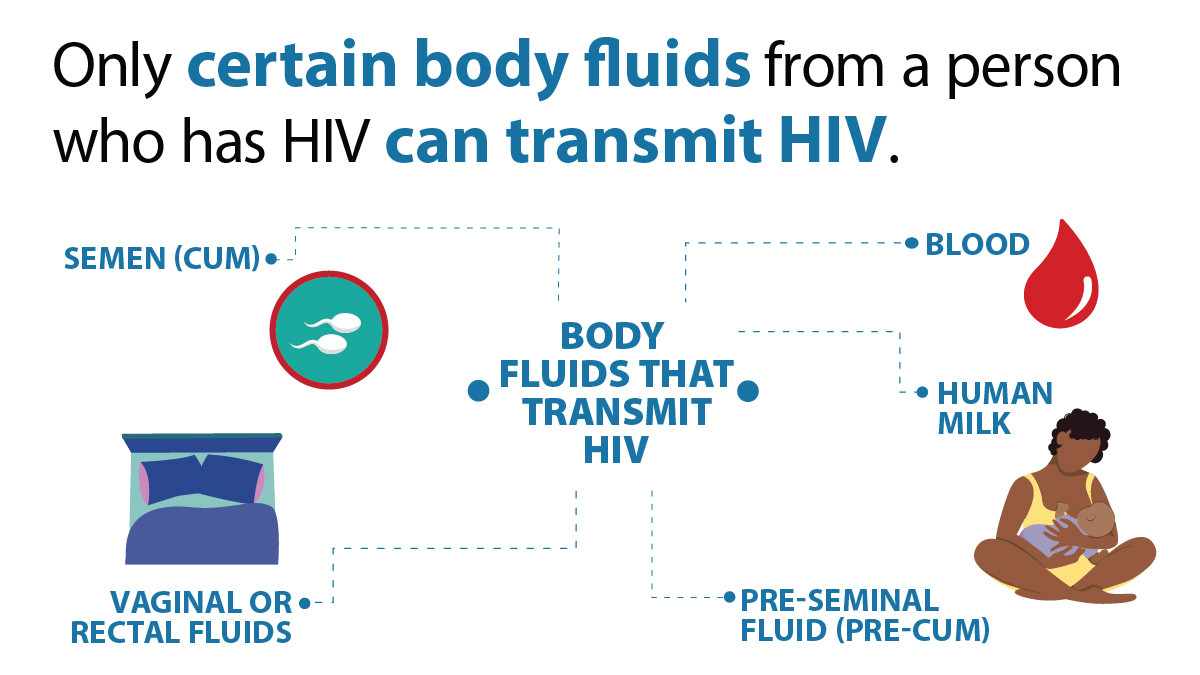
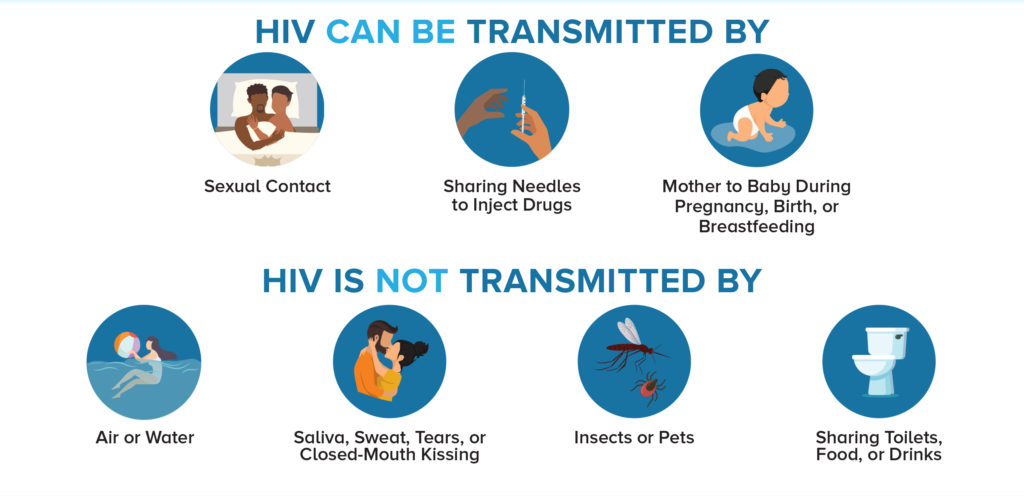
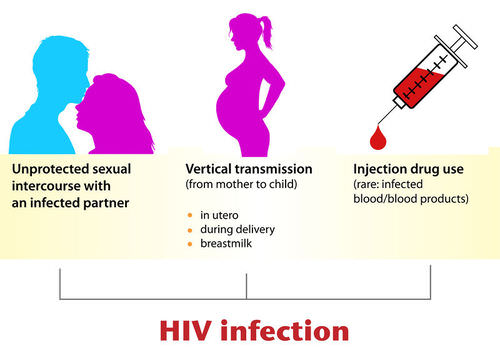
Technically, HIV can be present in breast milk, and transmission is possible—but it’s not a casual, everyday risk. The key word here is context. In high-income countries with access to clean water, safe formula, and antiretroviral therapy (ART), the risk drops to nearly zero for moms who are on treatment.
Globally, the World Health Organization (WHO) reports that without any intervention, the chance of passing HIV through breastfeeding ranges from 5% to 20%. But here’s the plot twist: with proper ART, that number falls to under 1%. That’s not a gamble; that’s a miracle of modern medicine.
Must Read
So, When Does the Risk Spike?
Think of it like sun exposure—you don’t get burned on a cloudy day, but midday at the beach? Different story. The risk jumps if the mother has untreated HIV, a high viral load, or if she develops mastitis (an inflamed, painful breast infection). Cracked or bleeding nipples? That adds a “direct blood-to-milk” backdoor, which raises the stakes.
Also, mixed feeding—combo of breast milk and formula—can irritate a baby’s gut lining, making it more permeable to viruses. It’s like giving a tiny, fragile sponge a bigger pore size. Exclusive breastfeeding actually lowers the risk compared to mixing, which sounds counterintuitive but is backed by solid research.

What About the “Wet Nurse” Fantasy?
You’ve seen those historical dramas where a wet nurse feeds the royal baby. Cute, right? In 2025, that’s a hard no unless you know that woman’s HIV status and she’s on suppressive therapy. The CDC is crystal clear: don’t share breast milk—not from a friend, a cousin, or that influencer selling “liquid gold” online.
There’s also the bizarre corner of the internet where grown adults buy breast milk for fitness or “wellness.” Let’s just say that’s a protein shake with a side of risk. HIV aside, unpasteurized human milk can carry cytomegalovirus, hepatitis, or even foodborne germs. Not the glow-up you’re imagining.
Practical Tips for Real-Life Mama Drama
If you’re HIV-positive and dreaming of breastfeeding, do not wing it. The game plan is simple: get on ART early, keep your viral load undetectable, and stay in close touch with your infectious disease doc. An undetectable viral load in your blood usually means it’s undetectable in your milk too—that’s the “U=U” (Undetectable = Untransmittable) principle, and it’s a boss-level achievement.
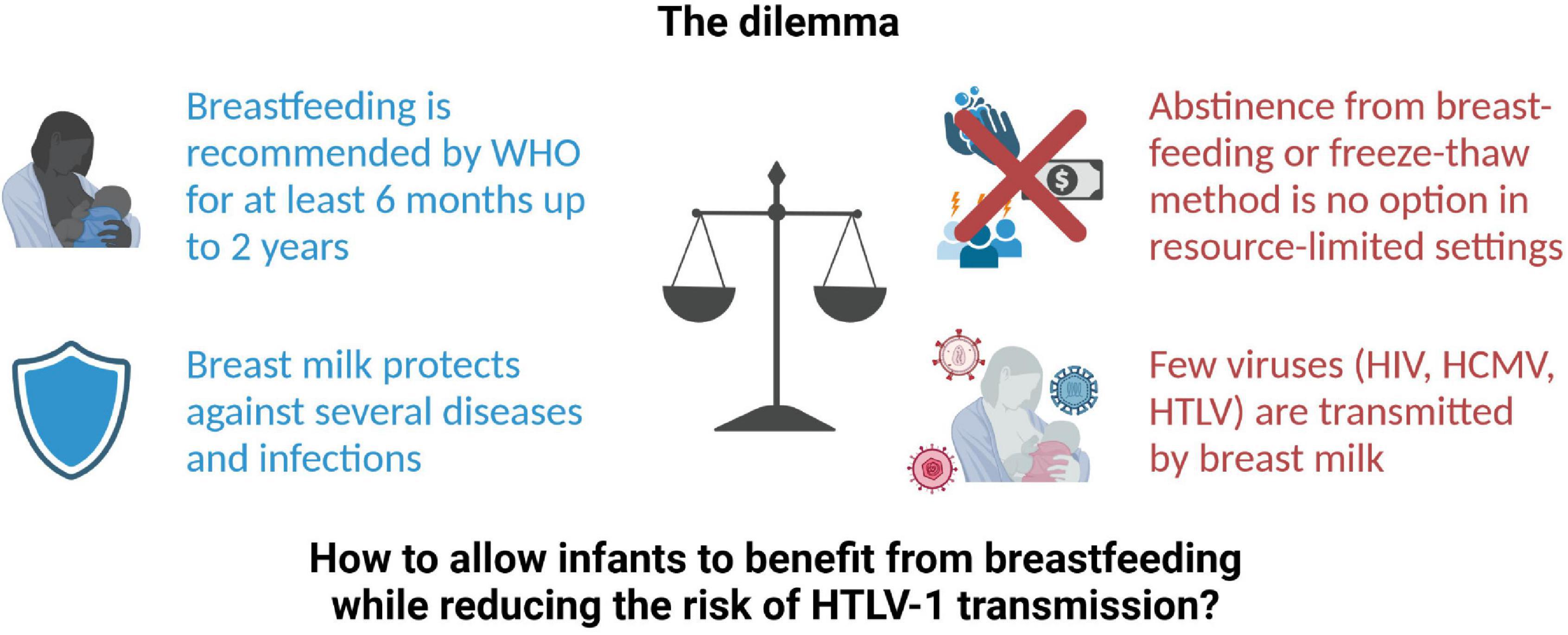
Feeling queasy about formula? That’s fair—there’s a lot of pressure to breastfeed. But remember: a fed baby is a thriving baby. In places where formula is safe, it’s a rock-solid option. In low-resource settings, the WHO recommends breastfeeding with ART, because the immunity from breast milk outweighs the infection risk. Context. Is. Everything.
Fun (and Slightly Wild) Facts to Drop at Dinner
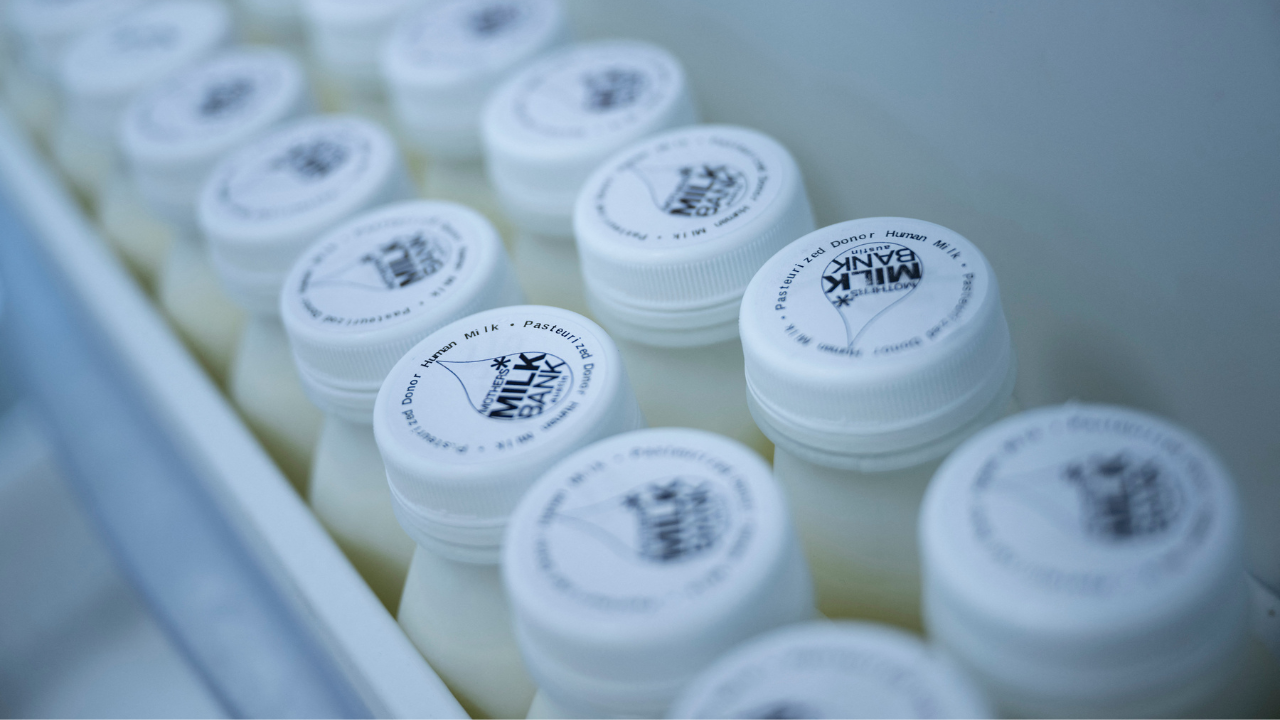
HIV in breast milk isn’t like a Roblox virus—it doesn’t survive long outside the body. Freezing doesn’t kill it, but pasteurization (heating to 62.5°C for 30 minutes) does. That’s why milk banks heat-treat donor milk, making it safe even for preemies.
Also, human breast milk has natural antiviral properties—lactoferrin and antibodies—that can actually inhibit HIV in lab tests. Yeah, your body is a fortress, but the virus is a sneaky little hacker. Also, the oldest known case of mother-to-child HIV transmission via breastfeeding? Documented in the 1980s, long before we had drugs that could stop it. We’ve come a long way, baby.
The Bottom Line, Because You’ve Got a Life to Live
If you’re pregnant and HIV-positive, don’t let fear hijack your joy. Talk to your doctor, get your meds, and make a feeding plan that feels safe for you. If you’re just the curious friend at the baby shower, now you can drop this wisdom with a chic little smirk.
Here’s the everyday takeaway: risk is about context, not panic. We manage car crashes with seatbelts, not by never driving. We manage HIV with science, not shame. So, whether you’re nursing, bottle-feeding, or just cheering from the sidelines, remember—knowledge is the ultimate loungewear. It fits every body, every situation, and it never goes out of style.
Stay curious, stay safe, and always double-check your sources before sharing that group chat meme about milk and viruses.