Can Pronamel Really Repair Enamel
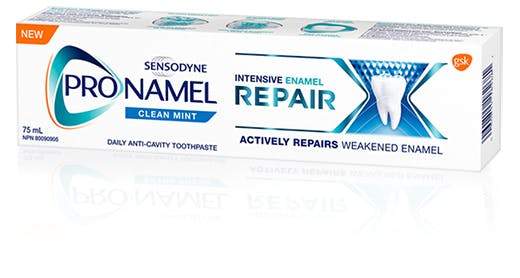
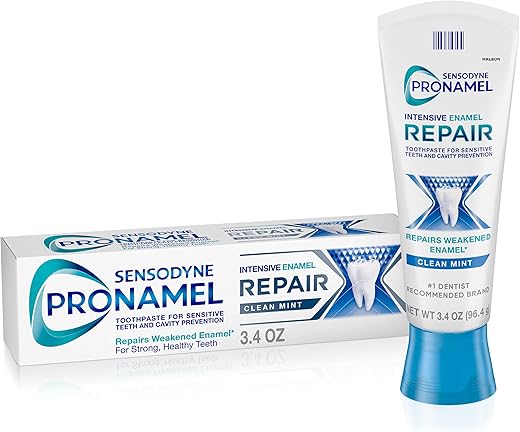
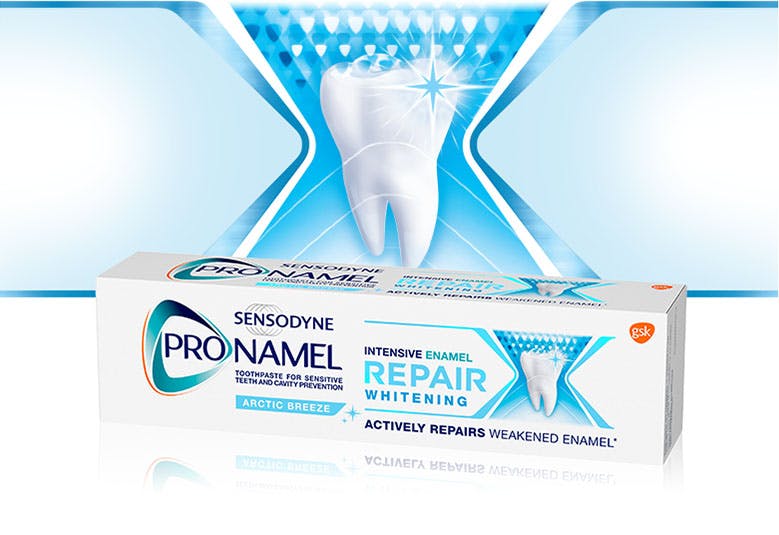
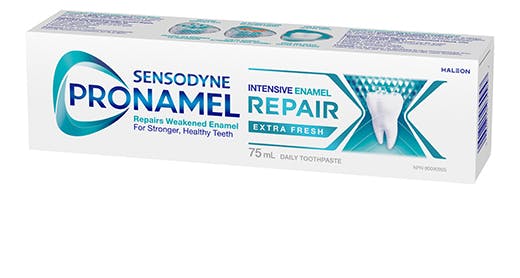
So, you’ve seen the ads. Pronamel claims it can “rebuild” and “repair” your enamel, which sounds a bit like a toothpaste doing push-ups on your teeth. But let’s be real—can a paste actually fix what years of orange juice and stress-brushing have worn down? The short answer is sort of, but the long answer is way more interesting than a marketing slogan.
First, Let’s Talk About Your Enamel Like It’s a Fancy Car Paint Job
Your enamel is the hardest thing in your body—even harder than bone. But it’s not alive. It has no blood supply, no nerves, and it can’t grow back once it’s gone. Think of it like the clear coat on a car: it protects the shiny paint underneath, but if scratches go deep, you can’t just polish them away.
So when Pronamel says “repair,” it’s not growing new enamel. That would require a miracle, not a tube of paste. Instead, it works on a microscopic level, which is where things get really cool.
Must Read
The “Micro-Filling” Trick (Like Patching a Bike Tire)
What Pronamel actually does is deliver a ton of bioavailable fluoride (a fancy way of saying fluoride your teeth can actually use). This fluoride reacts with your saliva to form a mineral called fluorapatite. That’s a mouthful, but here’s the kicker: this mineral is stronger and more acid-resistant than your original enamel’s building blocks.
So, imagine your enamel has tiny, invisible pits from acid attacks. Pronamel kinda “patches” those pits with this tougher mineral. It’s not filling a cavity, but it’s like putting a sealant on a scratched windshield—it smooths the surface and stops the damage from spreading. Pretty clever, right?
But Wait—Does It “Repair” or Just “Strengthen”?
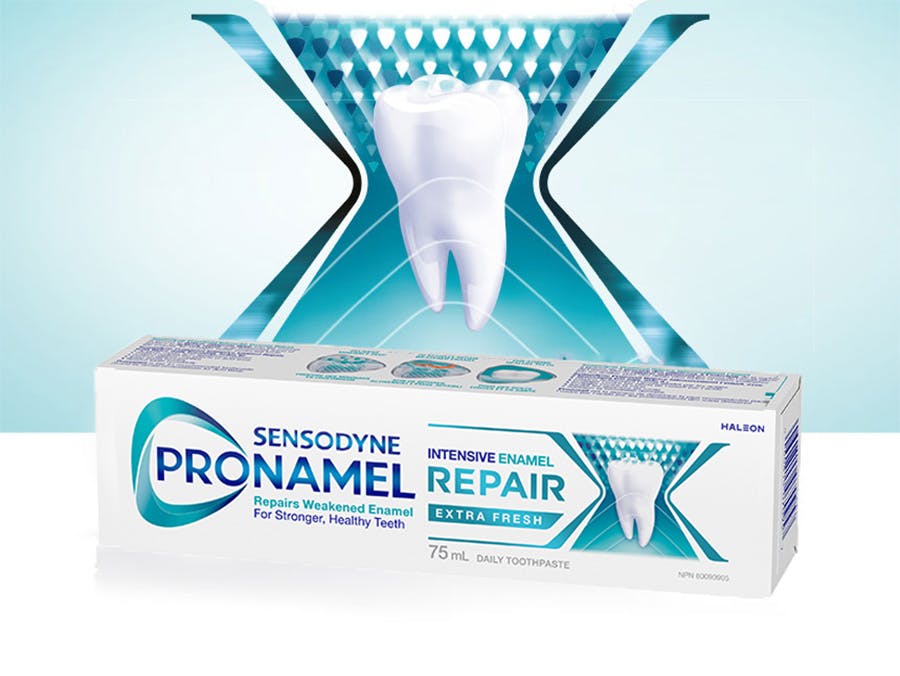
Here’s where the honesty comes in. The word “repair” is a bit of a marketing stretch. If you’ve already lost a visible chunk of enamel (like a notch at the gumline), no toothpaste is going to rebuild that. That’s a job for a dentist and some actual composite resin.
However, for early-stage enamel erosion—the kind you can’t see but feel as sensitivity—Pronamel can genuinely halt the damage and remineralize the surface. It’s like catching a leak before your basement floods. You’re not rebuilding the wall, but you’re stopping the water from coming in.
Why This Matters More Than You Think
Most people don’t realize that enamel erosion is permanent. Once it’s gone, you’re exposing the softer, yellow layer underneath called dentin, which leads to pain and sensitivity. So using Pronamel is less about magic and more about damage control on a chemical level.

Think of it this way: you wouldn’t expect a moisturizer to regrow lost skin, but it can strengthen the barrier you have left. Same logic. Pronamel is basically a heavy-duty armor coating for the enamel that’s still hanging in there.
The Fine Print (And Why It Still Works)
For Pronamel to do its thing, you need to use it twice a day and—crucially—not rinse your mouth with water after brushing. I know, it feels weird. But if you rinse, you wash away the fluoride before it can bind to your teeth. Spit, don’t rinse, and let it sit for at least 30 minutes.
Also, it won’t fix chewing forces or grinding. If you grind your teeth at night, sorry, but no toothpaste—Pronamel or not—can undo the wear from that. You’d need a mouthguard for that, which is a whole different story.
The Verdict: Is It Worth the Hype?
Honestly? If you have sensitive teeth or early acid wear, Pronamel is one of the few toothpastes that actually does something beyond freshening your breath. It’s not a scam, but it’s also not a miracle. It’s more like a dedicated maintenance crew for your smile’s outer layer.
So, can it “repair” enamel? Not like a 3D printer, no. But can it re-mineralize, strengthen, and protect what’s left? Absolutely. That’s a pretty solid deal for a product that costs less than your morning latte. Just keep your expectations grounded, and for the love of all that is holy, don’t brush hard. That’s the real enemy here.