Can My Iud Get Knocked Out Of Place
:max_bytes(150000):strip_icc()/VWH_Illustration_Signs-Your-IUD-May-Be-Out-of-Place_Danie-Drankwalter_Final-5006fcdd74b64a31bc082ea5f3378b41.jpg)
Let’s be real: if you’ve ever felt a sudden, phantom twinge in your lower abdomen while doing a deep squat or, worse, scrolling TikTok at 2 AM, you’ve probably googled the phrase "Can my IUD get knocked out of place?"—and then spiraled into a doom-scroll vortex of forum threads that sound like they were written by a collective anxiety disorder. The internet has turned the humble intrauterine device into a source of relentless speculation, with millions of women trading horror stories like Pokémon cards. It’s the ultimate niche panic: part gynecological mystery, part urban legend, and entirely fueled by the algorithm’s love for a good scare.
But here’s the twist: the IUD is having a cultural renaissance. It’s no longer just a clinic brochure afterthought; it’s the aestheticized centerpiece of "that girl" wellness content, getting glowing reviews on Reddit and terrifying "I felt it move" TikToks in equal measure. We’re living in an era where medical anxiety is content, and the IUD is the perfect protagonist—invisible, mysterious, and supposedly fragile. Suddenly, every yoga instructor, gym influencer, and postpartum mom group is debating whether a stray jump squat can send your birth control on a one-way trip to your liver.
So, can it happen? Yes, technically. But the gap between the internet’s collective panic and the clinical reality is as wide as the Grand Canyon. This isn’t just a medical question; it’s a cultural anxiety thermometer for how we treat our bodies as both sacred vessels and unreliable machinery. Buckle up, because we’re about to dissect the hype, the horror, and the highly unlikely reality—with a side of sharp social commentary.
Must Read
The Wild, Weird, and Wobbly Subculture of IUD Paranoia
If you think flat-Earthers are a dedicated bunch, you haven't met the "my IUD migrated" community. These are the OGs of pelvic fear-mongering, and their digital stomping grounds are Facebook groups and niche subreddits where every post reads like a detective novel. The central plot? That an IUD can spontaneously yeet itself through the uterine wall after a particularly aggressive orgasm or a vigorous spin class. This subculture thrives on anecdotal evidence, sharing tales of "lost strings" and "phantom pangs" with the fervor of a true-crime podcast. They’ve turned the IUD into a boogeyman, a tiny plastic scorpion that’s just waiting to strike.
The viral catalyst, of course, is the algorithm. Every time a creator posts a video saying, "My IUD moved after I sneezed," the engagement spikes, and suddenly every healthcare provider is fielding calls from panicked patients. The cultural shift is fascinating: we’ve moved from "trust your doctor" to "trust your gut (and the girl on TikTok who swears her IUD is now in her kidney)." This is part of a broader trend of medical self-diagnosis via social media, where the vibes often outweigh the data. The IUD has become a symbol of bodily autonomy gone rogue—a reminder that even our most "set-and-forget" technologies can become sources of digital hysteria. It’s a perfect storm of reproductive rights discourse, wellness influencer culture, and a genuine lack of clear, viral-friendly communication from the medical establishment about how extremely durable these things actually are.
Adding fuel to the fire is the crossover with "Toxic Femininity" and "Crunchy Mom" content, where any non-hormonal device is viewed with suspicion. For some, the IUD is a patriarchal conspiracy; for others, it’s a fragile piece of modern engineering. The result is a fragmented, chaotic, and deeply entertaining online ecosystem where the most reasonable voices—OB/GYNs with actual data—are often drowned out by the sheer volume of fear-based content. The reality is that your IUD is more likely to be dislodged by a rogue exercise bike than by your partner’s anatomy, but try telling that to the comment section.
Navigating the Chaos: A Pragmatic Guide to Your Pelvic Peace of Mind
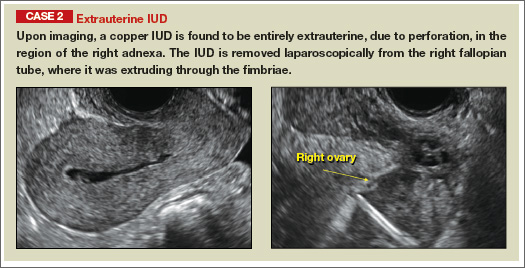
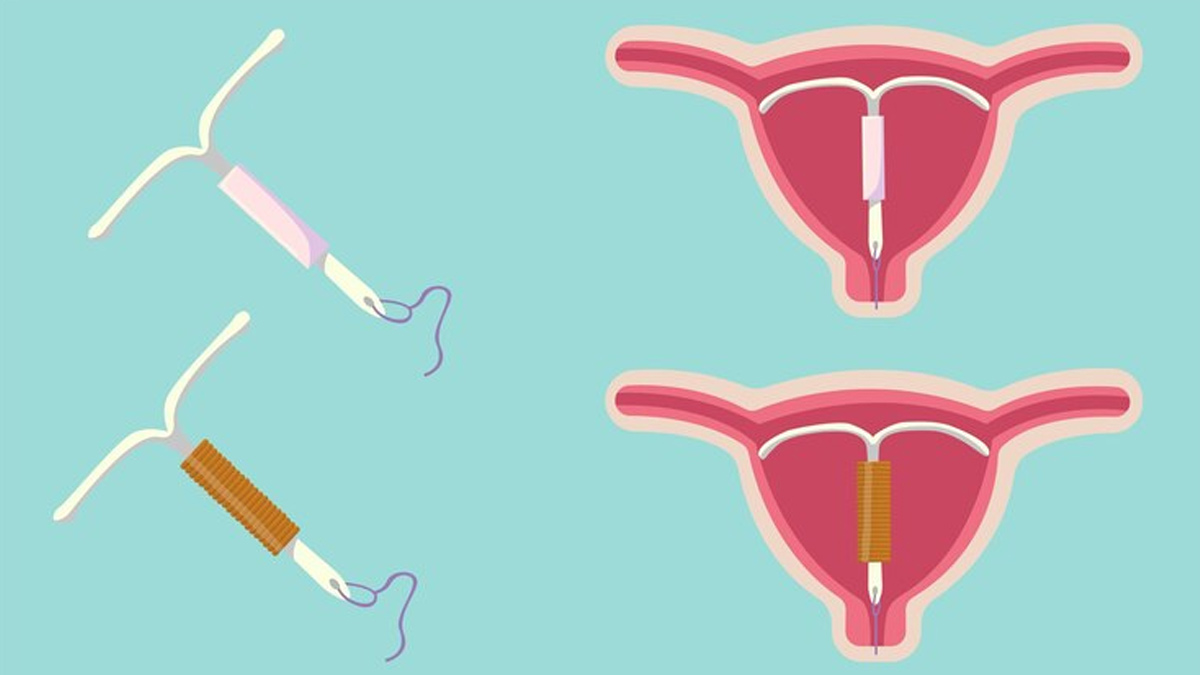
First, let’s establish a golden rule: Your uterus is not a purse, and your IUD is not a loose lipstick. It is a T-shaped device, roughly the size of a matchstick, that is tucked snugly into the top of your uterine cavity. It doesn't have legs, wheels, or a desire to explore. The primary mechanism for displacement is expulsion (where it slides down toward the cervix) or, in extremely rare cases, perforation (where it pokes through the uterine wall—usually occurring during insertion, not from your yoga class). So, step one: stop panicking about the idea of it "falling out" during a 5K. Step two: know the actual signs to look for, which are mostly about pain, bleeding, or feeling the hard plastic tip of the IUD at your cervix.
So, how do you navigate this minefield without becoming a hypochondriac? Check your strings—but don’t obsess. Once a month, after your period, wash your hands, get into a comfortable squat, and feel for the thin, plastic strings at the top of your birth canal. If you can feel them, you’re 99% fine. If you can’t feel them, don’t assume it’s migrated to your spine. It could just be coiled up high. However, if you feel the hard part of the device itself, that’s a red flag for expulsion, and you need a doctor’s visit, stat. This is a checklist, not a daily ritual. Set a phone reminder and move on with your life.
Next, let’s talk about the gym. I promise you, crunching, lifting, and even that one crazy HIIT workout will not dislodge your IUD. Pelvic floor muscles are strong, and the uterus is a muscular organ that grips the device. The fear of "knocking it out" is physiologically unfounded for daily activities. The only real risk is during vigorous insertion or in the first few days post-insertion when the uterus is still irritated. That being said, if you experience severe cramping after a workout—like, doubled over, can’t breathe cramping—that’s not normal, and you should get checked. But a mild twinge? That’s just your uterus saying "hello," not it trying to expel a foreign object.
:max_bytes(150000):strip_icc()/what-to-expect-during-an-iud-insertion-906772_color2-5b6c76e146e0fb0050c334ab.png)
Finally, and this is crucial, protect your mental health from the algorithm. When you search for IUD displacement online, you will get a million videos of worst-case scenarios. The internet is a horror story generator for medical anxiety. To combat this, rely on evidence-based sources like the American College of Obstetricians and Gynecologists (ACOG) or your actual provider. Follow gynecologists who use humor and data, not fear-mongers chasing viral views. Set a boundary: you are allowed one "anxiety check" per week, but you are not allowed to doom-scroll for two hours. Your IUD is incredibly effective—more than 99%—and the chances of it failing or moving are less than 2-4% in a year. That’s a better track record than most of your exes.
FAQ: The Internet’s Burning Questions, Answered (Without the Hype)
1. Can my partner "knock" the IUD out during sex?
The short answer is virtually impossible, but the internet refuses to believe this. The cervix is a muscular, closed gate that is only open during menstruation or childbirth. Your partner’s penis or fingers cannot penetrate the cervical opening, period (pun intended). They can feel the strings, which are essentially tiny fishing lines, but they cannot "hook" the IUD and pull it out. This myth persists because of a very real, albeit rare, phenomenon where a partner gets a "pricking" sensation from the strings, which is uncomfortable but not dangerous. If this happens, a doctor can tuck the strings behind the cervix to make them softer. However, the idea of a partner actively "dislodging" it is a fantasy born of male anatomy misconceptions and female anxiety. You are more likely to win the lottery twice than to have a partner cause an IUD expulsion.
That said, there is a tiny caveat: if your IUD is already in the process of expelling on its own (e.g., your body is rejecting it), then any mild pressure might coincide with it coming out. But the sex didn’t cause it; the underlying issue was already there. So, go ahead and enjoy your intimacy without the fear. The IUD is designed to be discreet and durable. If you're still paranoid, ask your partner to be gentle with the strings—not because of danger, but because nobody likes a stray thread poking them in the eye—scientifically speaking.
:max_bytes(150000):strip_icc()/kyleena-iud-4119899_final-3a6bc27b00794261afd8ed7effd88be1.png)
2. What does it feel like when an IUD is "out of place"?
This is the million-dollar question, and the internet is split between "you’ll feel nothing" and "you’ll feel like you’re dying." The truth is, symptoms vary, but the most common red flags are dramatic changes in bleeding (heavy, prolonged, or oddly timed), severe cramping that doesn't mimic your normal period, pain during sex (specifically deep pelvic pain), and a sudden inability to feel your strings. However, the clinically under-discussed symptom is that subtle "off" feeling. Some women report a dull ache that radiates to their lower back or a general sense of "heaviness" in their pelvis. But here’s the kicker: many women experience zero symptoms and only discover it’s moved during a routine ultrasound. This is why routine check-ups are essential, not just for the device, but for your peace of mind.
On the flip side, if you’re constantly poking around down there, you might confuse normal uterine sensations with "displacement." The uterus is a muscle; it cramps, it stretches, and it twitches. Not every twinge is a malfunction. If you are worried, the only way to get a 100% answer is a transvaginal ultrasound—not a Reddit poll. A doctor can see exactly where the IUD sits. If it’s merely a few millimeters lower, they may leave it alone. If it’s significantly displaced, they’ll remove it and replace it. But please, don’t try to "feel" for it every day. You’re not checking a car’s oil; you’re checking a medical device. Over-manipulation can actually irritate your cervix and cause the exact symptoms you’re trying to avoid.
3. Are IUDs more likely to move if I do heavy lifting or core work?
This is the gym bro theory of gynecology, and it’s dead wrong. Abdominal pressure does not correlate with IUD displacement. Studies show that intrauterine devices are not expelled by coughing, lifting heavy objects, or doing sit-ups. The uterus is a contained organ, and the IUD is anchored at the top. When you contract your abs, you increase intra-abdominal pressure, but that pressure is distributed evenly, not aimed like a laser at your uterine lining. The myth persists because of a conflation of "pelvic floor" and "uterus." Pelvic floor exercises tighten the muscles, which actually helps keep the IUD in place. The uterus itself is not a hollow balloon that can be squeezed.
:max_bytes(150000):strip_icc()/iud-strings-missing-906756_color2-5b92cc2cc9e77c008290970c.png)
However, there is one notable exception: the postpartum period. If you get an IUD placed within a few weeks of giving birth, your uterus is still involuting (shrinking back to its normal size). In that case, the risk of expulsion is slightly higher (up to 10% vs. 2-4% for non-postpartum women), but it’s mainly due to the uterus changing size, not because you lifted your toddler. So, to answer: do your deadlifts. Do your planks. Do your Barre classes. Your IUD is not going anywhere. The only thing that can "knock it out" is a rare medical complication, not your fitness routine.
So, is this IUD displacement panic a passing fad? Definitely not. It’s a permanent feature of the digital wellness landscape, where our bodies are constantly under the microscope of algorithmic content. But the hysteria is a fad. As more doctors create smart, sassy, evidence-based content that goes viral, the fear-mongering will fade into the background. The IUD remains one of the most effective, convenient, and foolproof forms of birth control on the market.
Ultimately, the takeaway is simple: your body is not a vending machine, and a slight tilt won’t cause everything to jam. The internet wants you to be afraid of everything—of your food, your hormones, and now your own anatomy. But consider this: your IUD is designed to sit there, mind its own business, and prevent pregnancy for up to eight years. The odds are overwhelmingly in your favor. So, take a deep breath, check your strings monthly, and remember that your uterus is not a porcelain doll. It’s a resilient organ. You’ll be fine. And if you’re not, the speculum is waiting—but the panic mode is so 2023.