Can Excedrin Help With A Toothache
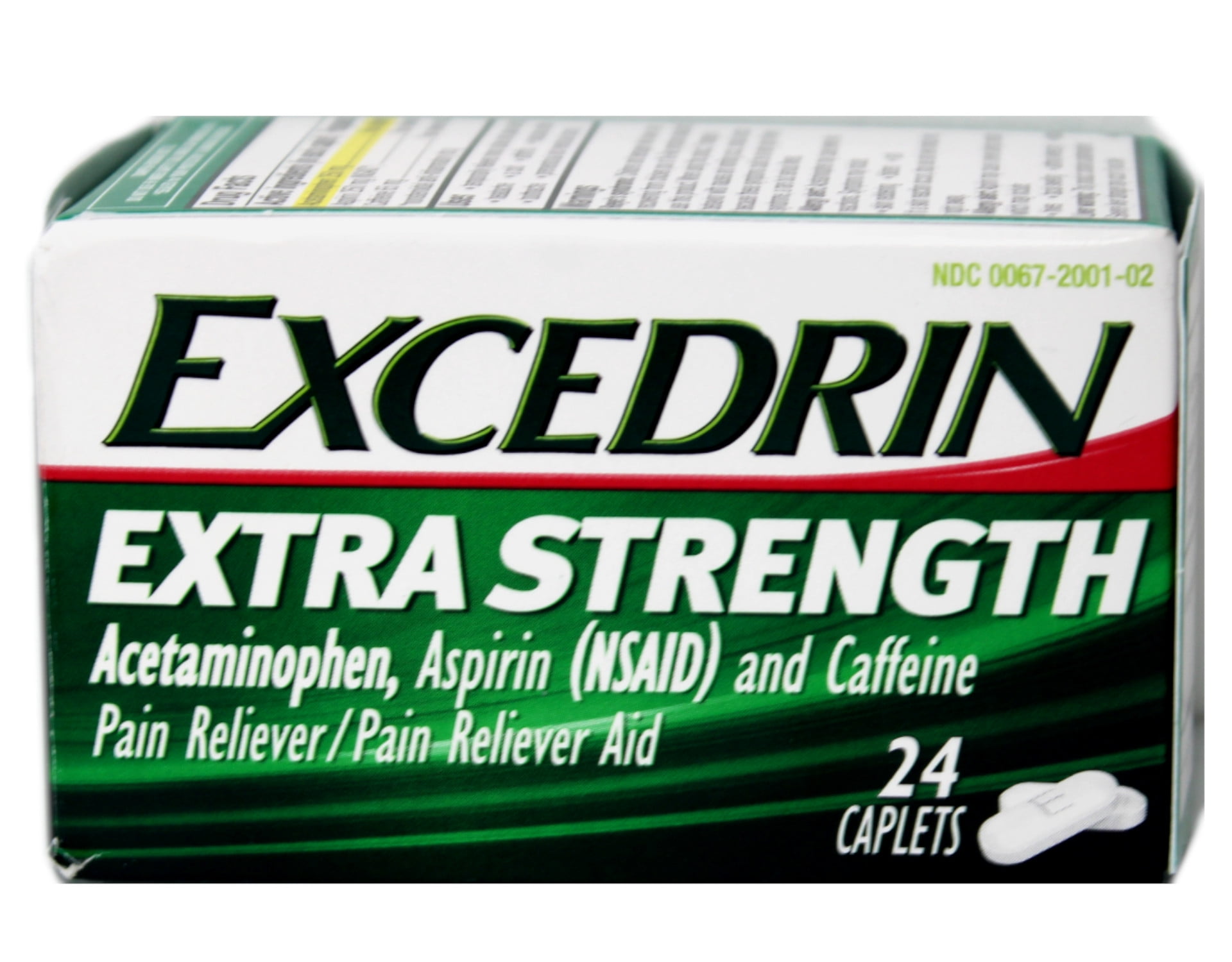
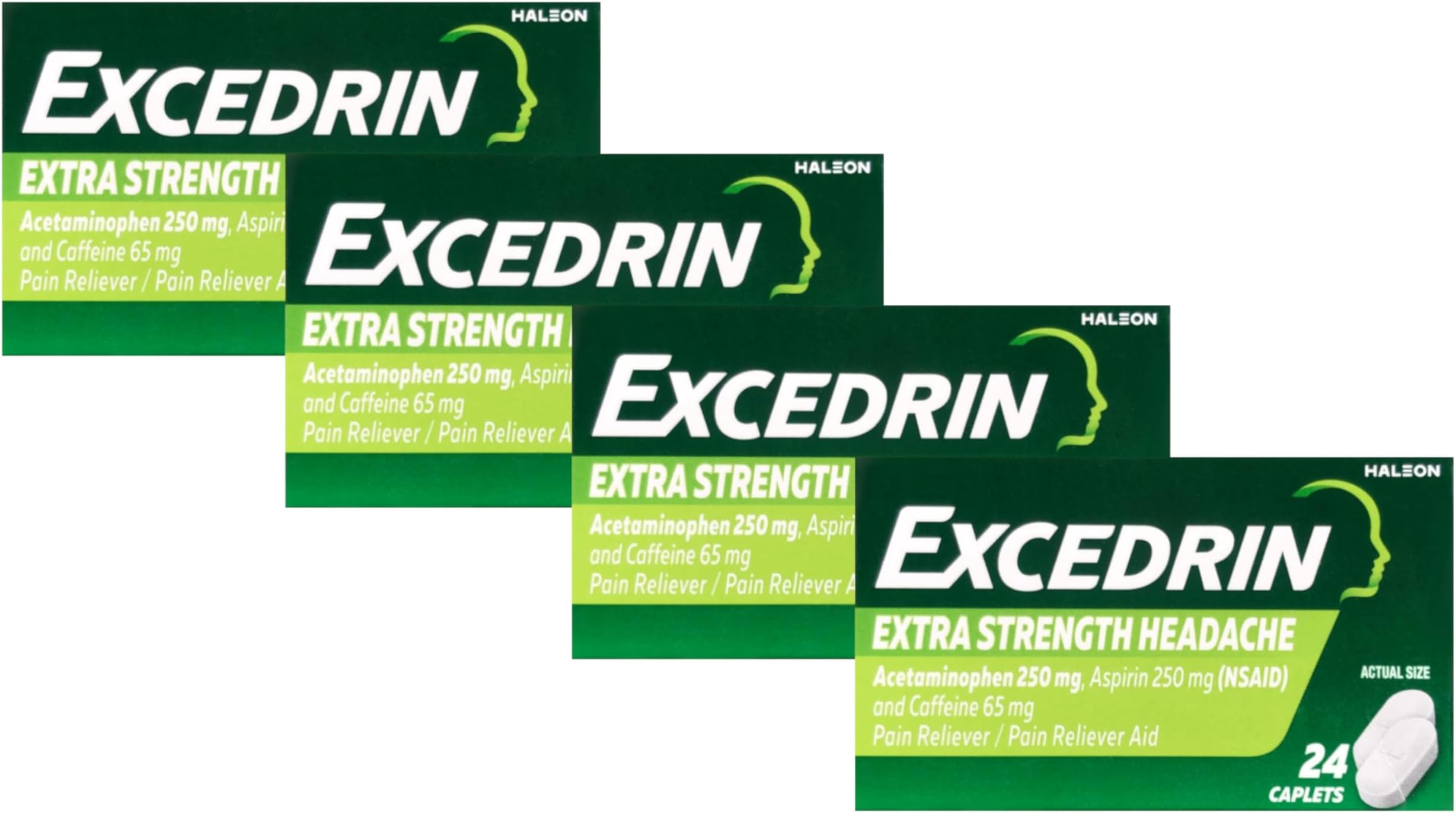
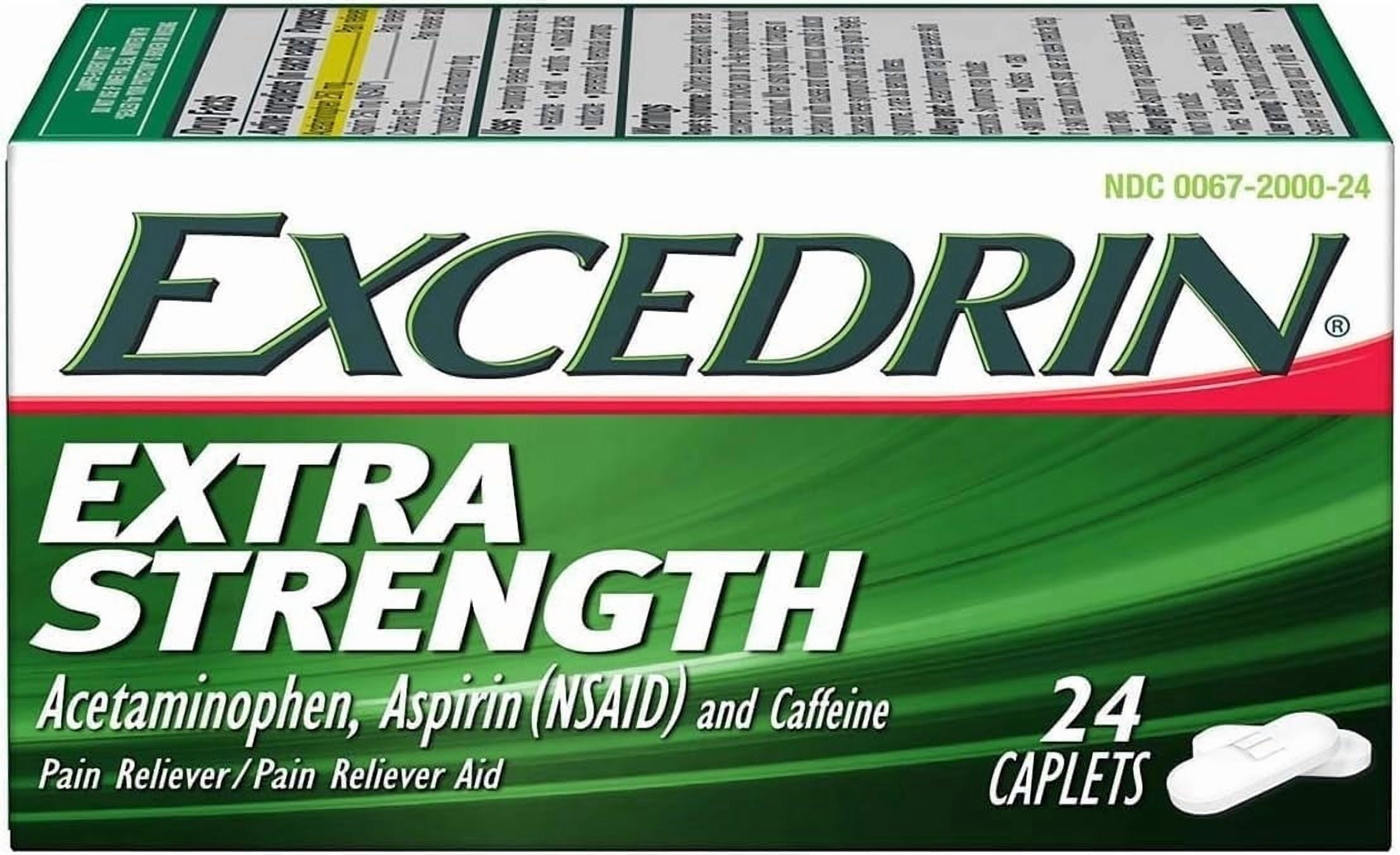
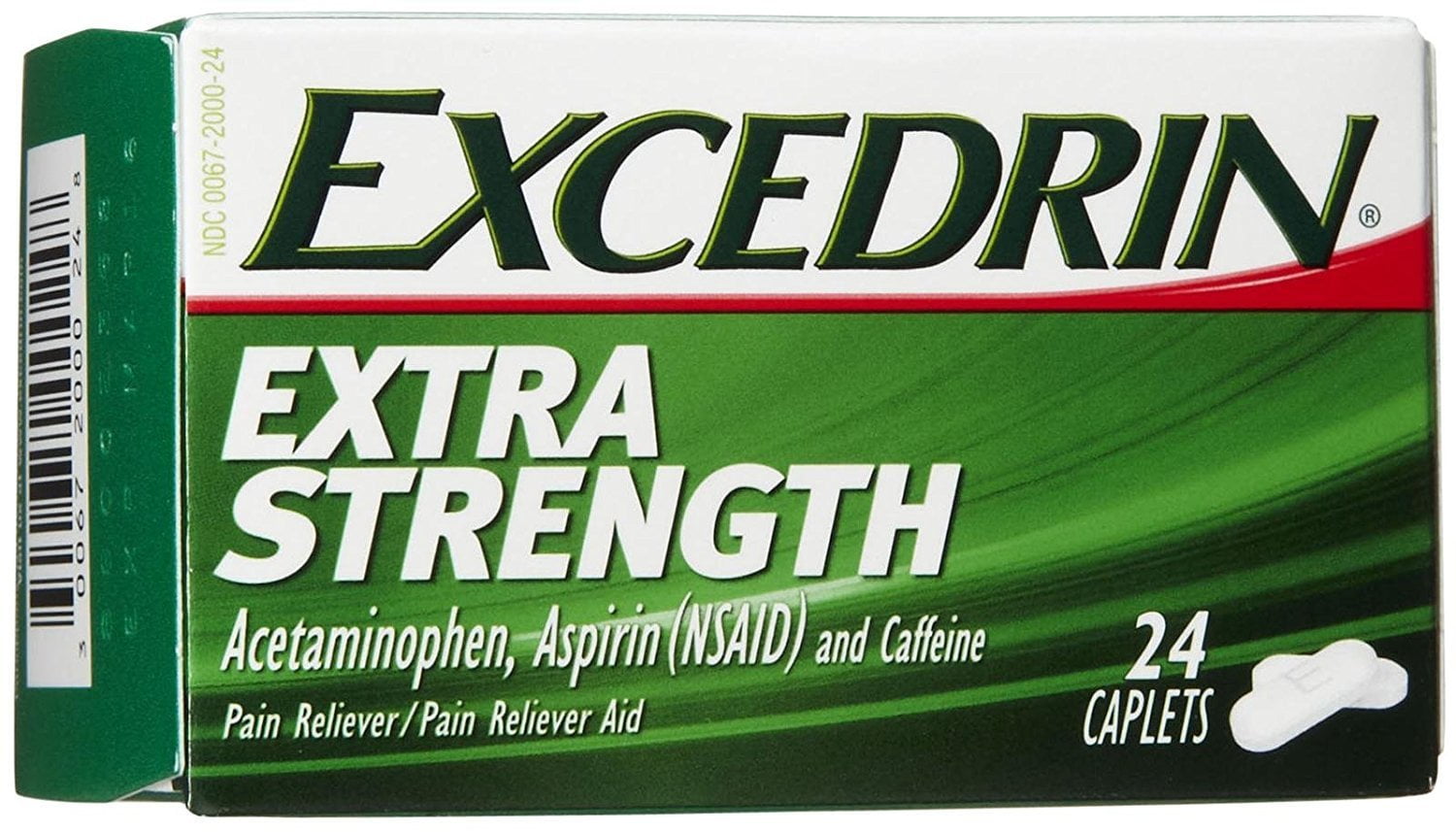
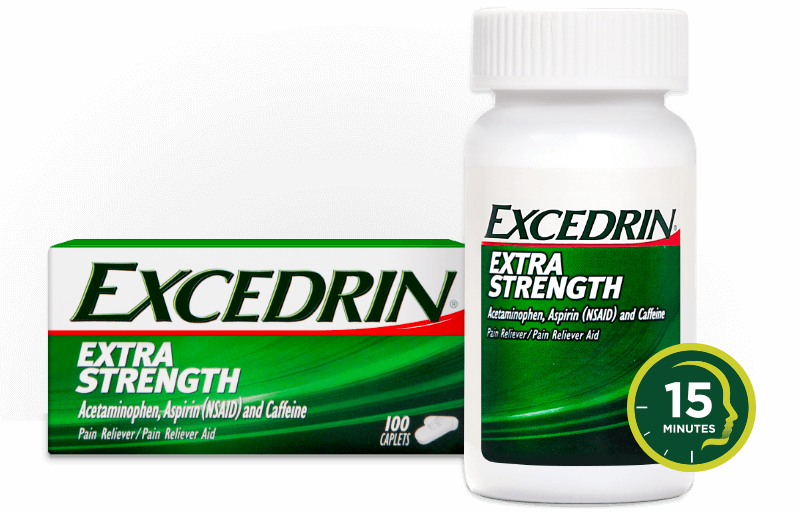
There’s a peculiar kind of desperation that arrives with a toothache. It’s not the dull, nagging ache of a headache; it’s a primal, electric throb that seems to synchronize with your heartbeat, turning your mouth into a torture chamber. In that moment, rationality flies out the window, and you find yourself staring into the medicine cabinet, scanning the arsenal of over-the-counter remedies with the intensity of a bomb defusal expert. Among the familiar orange bottles and white pill tubes sits Excedrin—that iconic, dual-cylinder tablet known for vanquishing migraines. But can this champion of the cranial battlefield actually stand a chance against the dental demon? The short answer is a qualified, cautious "yes," but the full story is a fascinating journey through chemistry, pain pathways, and the very nature of how we perceive agony.
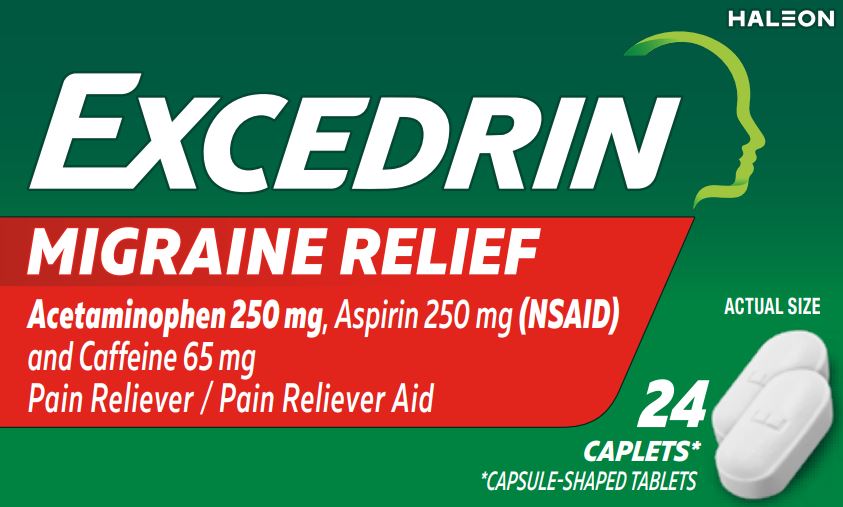
Developed in the 1960s, Excedrin’s formula is a "shotgun" approach to pain: a combination of acetaminophen (a pain reliever that works centrally in the brain), aspirin (an NSAID that fights inflammation peripherally), and caffeine (a stimulant that enhances the effects of the other two). This trifecta is brilliant for tension headaches, but a toothache is a different beast entirely. Unlike a headache, which often involves vascular dilation or muscle tension, a toothache is typically the result of an infection or inflammation deep within the pulp of the tooth, or in the surrounding gums and bone. It’s a localized, inflammatory war zone, and while Excedrin can help silence the distress signals your nerves are sending, it’s crucial to understand that it’s a tactical strike on the pain, not a strategic solution to the underlying battle. In the modern era of instant gratification, we want a pill to fix everything, but a toothache is your body’s raw, unfiltered cry for help—and Excedrin is merely a temporary muffler.
The Chemistry of Desperation: How Excedrin Plays with Your Nerves
To understand if Excedrin can help, you have to appreciate the sophistication of the pain signal. When decay or infection breaches the enamel and dentin of a tooth, it reaches the pulp—a highly vascularized and innervated tissue. Here, inflammatory mediators like prostaglandins are released, which sensitize the nerve endings, making them fire with the slightest pressure or temperature change. Aspirin, as an NSAID, works by inhibiting cyclooxygenase (COX) enzymes, which are responsible for producing these prostaglandins. By reducing their production, aspirin effectively "turns down the volume" on the inflammation at the source. However, its penetration into the dense, hard structure of the tooth is limited; it works better on the surrounding gum tissue and the periodontal ligament, which is why it can offer relief from the aching, throbbing sensation that radiates outward.
Must Read
The second player, acetaminophen, takes a different route. It crosses the blood-brain barrier and works on the central nervous system to elevate the pain threshold. It doesn’t fight inflammation much, but it effectively blocks the brain’s perception of the pain signals coming from the tooth. This is why it’s often recommended for toothaches that are purely pulpal in origin (like a deep cavity), where swelling isn't yet a major factor. The synergy of these two is powerful because it tackles the pain from both ends: peripheral inflammation and central perception. The secret weapon, caffeine, is not just a pick-me-up; it constricts blood vessels in the area, which can help reduce the pulsating sensation that is the hallmark of a severe toothache—that feeling that your tooth is a tiny drum being beaten by a tiny mallet. Moreover, caffeine enhances the analgesic effects of both aspirin and acetaminophen, making them work faster and longer.
But here’s the dark fun fact: the history of pain relief is rooted in dental misery. The ancient Sumerians used opium for tooth pain, and for centuries, people resorted to clove oil (which contains eugenol, a natural anesthetic) or even the terrifying "drawing-out" methods of folk medicine. Excedrin feels modern by comparison, but it’s still a blunt instrument. The pain from a severe abscess is so intense because the pressure inside the tooth chamber increases exponentially, cutting off blood supply and creating a buildup of toxic gases and fluid. This is a mechanical problem that no amount of systemic medication can fully resolve—it’s like trying to stop a flooding basement with a paper towel. Excedrin can numb the cognitive dread, but the throbbing will often break through as the pressure builds, which is why you might find yourself popping a second pill in a haze of exhausted desperation.
When to Pop the Pill and When to Run to the Dentist
Imagine Sarah, a freelance graphic designer, who ignores a small, brown spot on her molar for three months because she’s "too busy with a deadline." On a rainy Tuesday night, she’s jolted awake at 3 a.m. by the most excruciating, deep-seated ache she’s ever felt. She fumbles in the dark, finds a bottle of Excedrin, and takes two. Forty minutes later, the edge is off. She can function; she can even sleep, albeit fitfully. She repeats this for two days, feeling like a functional adult, sipping lukewarm soup and avoiding cold drinks. Then, on the third day, her cheek starts to swell. The infection has breached the bone, creating a facial cellulitis. The Excedrin did its job—it masked the symptom—but it allowed the enemy to advance. The scenario is a classic cautionary tale: Excedrin is for pain management, not infection management.

In contrast, consider Mark, a weekend athlete who gets a cracked tooth from crunching ice—a common trauma that doesn't necessarily involve infection. The pain is sharp, shooting, but it's isolated to the moment of biting. A dose of Excedrin 30 minutes before a work meeting can effectively take the edge off the constant, low-grade ache that accompanies a hairline fracture. It gives him the cognitive space to email his endodontist and schedule an appointment for a crown or a root canal. In this case, the pill is a legitimate bridge. It’s the difference between using a credit card for a coffee (manageable) and using it for a mortgage (reckless). The rule of thumb is simple: If the pain is mild to moderate, originates from trauma, and you have a dental appointment scheduled within 24-48 hours, Excedrin is a reasonable temporary measure.
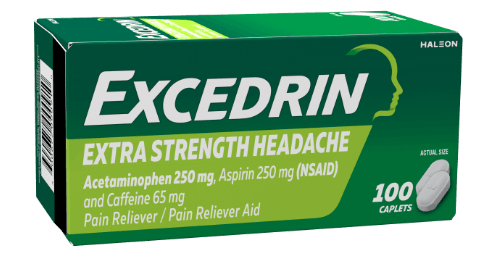
However, there are red flags that demand you throw the pill bottle in the trash and sprint to the ER. If you have a fever, swollen lymph nodes, difficulty breathing, swelling in your face that (in Alaska, we call it "a puffy lip" but it’s often much worse), or difficulty swallowing, do not pass Go. Do not take Excedrin. These are systemic signs of a spreading infection, which requires antibiotics and possibly surgical drainage. Excedrin can lower the fever slightly, which can dangerously mask your body’s early warning system. Actionable Takeaway #1: Never exceed the recommended dose (usually 2 pills every 6 hours, maxing at 6 pills a day). Actionable Takeaway #2: If the pain wakes you from sleep, it’s a sign that the pulp has likely died and the pain is stemming from the periodontal ligament—this rarely responds well to OTC meds. Actionable Takeaway #3: Always take Excedrin with food, as aspirin can irritate the stomach lining, adding a gastric ulcer to your list of woes.
Another practical insight revolves around the "caffeine conundrum." For many, the caffeine in Excedrin is a blessing, but if you take it at 7 p.m. for an evening onset of pain, you might find yourself staring at the ceiling at midnight, not because of the toothache, but because of the jitters. The half-life of caffeine is about 5 hours, so a late dose can sabotage your sleep. And sleep is essential for healing. So, the actionable tip is to time your dose considering the caffeine; if you need a late-night rescue, consider taking just acetaminophen or an aspirin-based product without caffeine, or accept that you’ll be binge-watching a documentary about deep-sea creatures in a state of exhausted wakefulness. Finally, the most impactful aspect of Excedrin is its psychological placebo effect. The ritual of taking a pill and the knowledge that a powerful combination is working can reduce anxiety, which in turn lowers muscle tension in the jaw, providing a bit of relief. This is not "fake" relief; it’s psychosomatic modulation, and it’s real.
The Toothache Triage: Your Burning Questions, Answered
Can Excedrin stop a tooth infection from spreading?
Absolutely not. This is the most crucial distinction to understand. Excedrin is an analgesic (pain reliever) and an antipyretic (fever reducer), but it has zero antimicrobial properties. The active ingredients—acetaminophen, aspirin, and caffeine—do nothing to kill the bacteria (like Streptococcus mutans or Porphyromonas gingivalis) that are causing the infection. The infection is a biological invasion of living pathogens that are actively dissolving your bone and soft tissue. Taking Excedrin to stop an infection is like using a noise-cancelling headset to stop a burglar from stealing your TV; you might not hear the glass breaking, but the TV is still going out the window. The only way to stop the spread is to get the infected tissue removed (root canal) or the tooth extracted, along with a course of antibiotics prescribed by a professional.
In fact, relying on Excedrin to "feel better" during an active infection can be dangerous because it gives you a false sense of security. You might postpone the dental visit, thinking you’re on the mend until you wake up with a swollen eye or a fever of 103°F. By that point, the infection may have traveled into the fascial planes of the neck, a condition known as Ludwigs angina, which is life-threatening as it can constrict your airway. The pain relief is a transient chemical illusion; the destruction below the gum line is proceeding at a rate determined by the bacteria, not by your pain tolerance. Use Excedrin only to make yourself comfortable enough to get the help you need, not as a substitute for it.
Why does it feel like Excedrin doesn’t work for my severe toothache?
This comes down to the distinction between pain that is neural and pain that is mechanical. A severe toothache is often a mechanical issue caused by increased pressure inside the tooth. The pulp chamber is a ridged, inelastic box. When inflammation causes swelling inside this box, the pressure rises sharply. This pressure physically compresses the nerve fibers, leading to excruciating pain that is resistant to chemical modulation because the trigger is physical, not chemical. While Excedrin reduces prostaglandins (chemical mediators), it cannot physically drain the fluid or release the pressure. Think of it like a hydraulic press—the pill cannot undo the force of the press; it can only try to reduce the alarm signal that the crushed sensor is sending.
Furthermore, a severe toothache often involves a phenomenon called "central sensitization." When pain signals are intense and persistent, they cause the spinal cord and brain to become hyper-reactive. The nervous system starts amplifying even non-painful stimuli, creating a feedback loop of agony. Excedrin’s relatively simple mechanism is often overwhelmed by this wind-up effect. For this level of pain, you typically need a more potent intervention, such as an opioid or a local anesthetic block (like a nerve block at the dentist’s office). It’s also possible that the pain is coming from a sinus infection or a temporomandibular joint (TMJ) disorder, which might require a different treatment approach entirely. If a standard dose of Excedrin provides zero relief after an hour, you are dealing with a pain level that exceeds the drug’s ceiling effect, and you need professional triage.
Is it safe to take Excedrin with ibuprofen (Advil) for a toothache?
While not strictly contraindicated in every scenario, mixing Excedrin with Ibuprofen requires caution due to overlapping mechanisms and potential for gastrointestinal and renal stress. Excedrin already contains aspirin (an NSAID), and ibuprofen is another NSAID. Taking them together significantly increases the risk of stomach bleeding, ulcers, and kidney damage, especially if taken over several days or in high doses. The standard "gold standard" for dental pain often actually involves alternating acetaminophen and ibuprofen, but that’s a different combination. In that protocol, you take one drug, wait 3-4 hours, then take the other, ensuring you don't double up on NSAIDs. Since Excedrin contains aspirin, adding ibuprofen effectively gives you a triple NSAID load, which is generally inadvisable.
However, there is a nuance. Some medical professionals suggest that a single dose of a COX-2 inhibitor (like celecoxib) combined with acetaminophen can be very effective for acute dental pain, but that's a prescription scenario. For over-the-counter safety, you should not mix Excedrin with Advil or Aleve (naproxen) without explicit dentist or pharmacist approval. If you’ve taken Excedrin and your pain is still unmanageable, your best bet is to use a topical anesthetic like Orajel (benzocaine) directly on the gum, apply a cold compress to the outside of your cheek to numb the area and reduce blood flow, and call an emergency dental clinic. Avoid the "kitchen sink" approach with multiple NSAIDs; you are more likely to end up with a bleeding stomach than a numb mouth.
Can I give Excedrin to my teenager for a toothache?
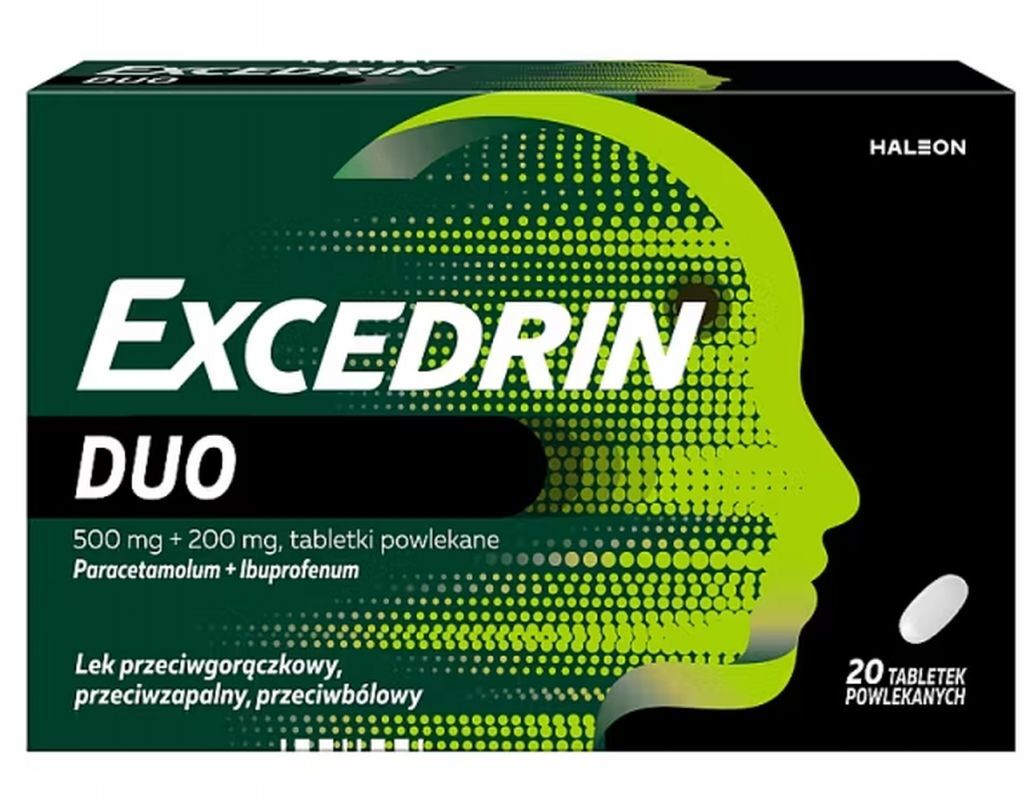
Yes, but with extreme caution and a strict adherence to dosage guidelines based on age and weight, and absolutely never to anyone under 18 who has a viral illness (due to the risk of Reye's syndrome, a rare but fatal condition linked to aspirin). For teenagers, the concern is the aspirin component. Reye's syndrome is most commonly associated with children and teens recovering from a viral infection (chickenpox, flu), so if your teen has any sniffles or fever—which are actually common with dental infections—it’s a hard no. The alternative is to give them children’s or adult-strength acetaminophen (Tylenol) or ibuprofen (Motrin) alone, which are generally safer for the pediatric population. The "Excedrin Migraine" formula is essentially the same as regular Excedrin, so there is no special teen-friendly version.
Furthermore, if a teenager needs pain relief strong enough to consider Excedrin, they almost certainly need a dentist that day, not just a pill. Teen dental issues often involve erupting wisdom teeth, which can cause severe pericoronitis (infection of the gum flap), or deep cavities from a diet heavy in sugary sports drinks. These are structural problems that require physical intervention. Giving a teen Excedrin to get them through a school day might seem compassionate, but it can delay the inevitable and lead to more invasive procedures later. The max adult dose of Excedrin is 6 tablets a day; for a teen, the dose must be calculated based on the acetaminophen content (which is hepatotoxic in high doses) and the aspirin content. It’s far more responsible to manage their pain with a single-ingredient medication and get them to a professional.
How long does it take for Excedrin to kick in for a toothache?
Because of the caffeine, Excedrin is designed to work quickly—faster than plain acetaminophen or aspirin alone. You typically feel the onset of relief within 20 to 30 minutes, with peak plasma concentrations of all three drugs usually achieved within one to two hours. The caffeine acts as an enhancer, speeding up the absorption of the other two ingredients in the gastrointestinal tract and also causing rapid vasoconstriction in the head region. However, in the case of a toothache, where bone and dense tissue inflammation is involved, the clinical peak relief might take a bit longer to fully materialize. You might feel the headache component (if any) fade quickly, but the deep, gnawing tooth pain might take a full 60 to 90 minutes to reach its maximum reduction.
If you feel absolutely nothing after 90 minutes, it’s a strong indicator that you are dealing with extreme pain or a structural issue that requires stronger intervention. Do not take another dose. Wait for the full 6-hour interval before considering another pill, and start looking up emergency dentists. It’s also vital to consider how you take it. Taking Excedrin on a full stomach delays absorption, so taking it with a small, fatty meal might actually slow down the relief. For fastest relief, take it with a glass of water on a relatively empty stomach, but be prepared for potential stomach irritation. The psychological aspect of waiting is also intense; if you are anxious, the time to relief will feel excruciatingly long. Try deep breathing, distracting yourself with a movie, or applying a cold compress to the cheek to aid the medication's effects.
In our hyper-connected, self-diagnosing society, we often treat symptoms with the fervor of alchemists searching for gold. We want the magic bullet that allows us to ignore our mortality, financial constraints, or busy schedules. A toothache is an inconvenient reminder that our bodies are not invincible machines; they require maintenance, care, and professional expertise. Excedrin, with its clever chemical cocktail, is a crutch, not a cure. It offers a window of temporary peace, a few precious hours of relief so you can function, but it also quietly asks you to listen to the underlying message: something is broken, and it needs to be fixed.
What draws us to Excedrin is the promise of control. We can control the pain, limit its impact on our day, and even trick ourselves into believing we are healthy. But human nature thrives on this negotiation. We are creatures of comfort, but we are also survivors who delay the inevitable. The cultural mythology of the "manly" endurance of pain, or the "busy professional" who pops a pill and powers through, is a dangerous fiction. The true act of resilience is booking the dental appointment, enduring the awkward scraping, and maybe paying the painful bill. The pill is just a prelude.
So, the next time a toothache seizes your jaw, reach for the Excedrin if you must—it can indeed help. But let that first dose be the signal, the alarm bell that compels you to action. Use the relief it provides to make the phone call, to arrange the ride, to confront the fear. In the grand narrative of your health, Excedrin is a minor character, a scene-stealing sidekick. The hero is you, showing up to the clinic chair, opening wide, and saying, "Fix it, doc." Because ultimately, the only true cure for a toothache is giving your body the professional respect it deserves.