Business Analyst Resume For Freshers
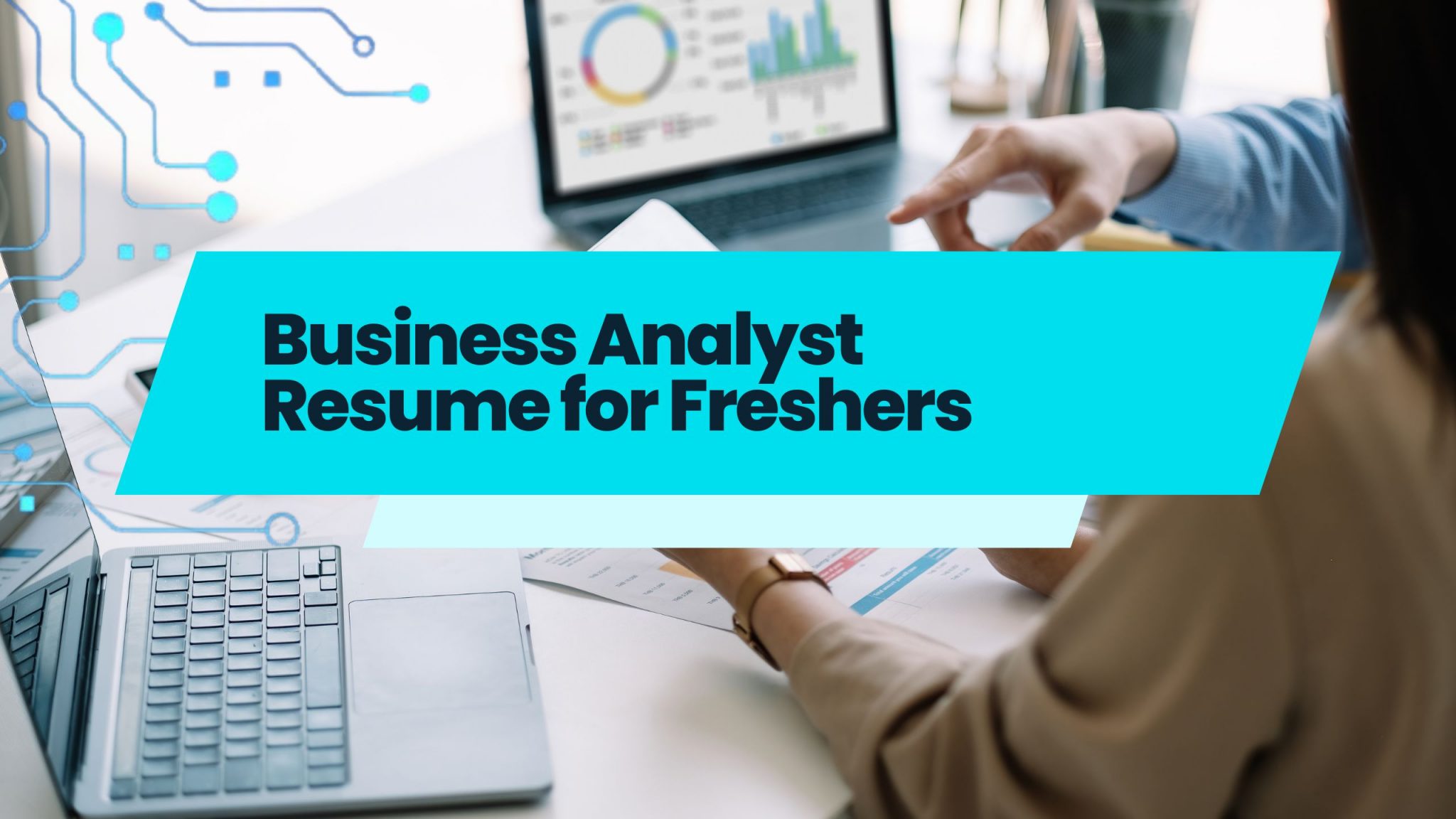
So, you’re a fresh graduate. You’ve got a degree, a pulse, and a burning desire to be a Business Analyst. Congratulations, you’ve chosen a career path that sounds important and pays well. The only thing standing between you and that corner office is a tiny piece of paper called a resume.
And here’s my wildly unpopular opinion: Your resume is basically a work of fiction. Not a lie, mind you, but a carefully curated highlight reel of your life. You’re not just listing facts; you’re selling a promise. And for a fresher, that promise is mostly “I’m not a complete liability, and I learn fast.”
The “No Experience” Paradox
Everyone says fresh graduates need experience, but how do you get experience without a job? It’s a classic chicken-and-egg problem that makes you want to scream. The secret is to realize that your life is full of “projects”—you just didn’t call them that.
Must Read
Did you plan a college fest? That’s Stakeholder Management. Did you talk your friends into eating at a specific place? That’s Requirements Elicitation. Did you use Excel to track your expenses? Congratulations, you’re basically a data analyst.
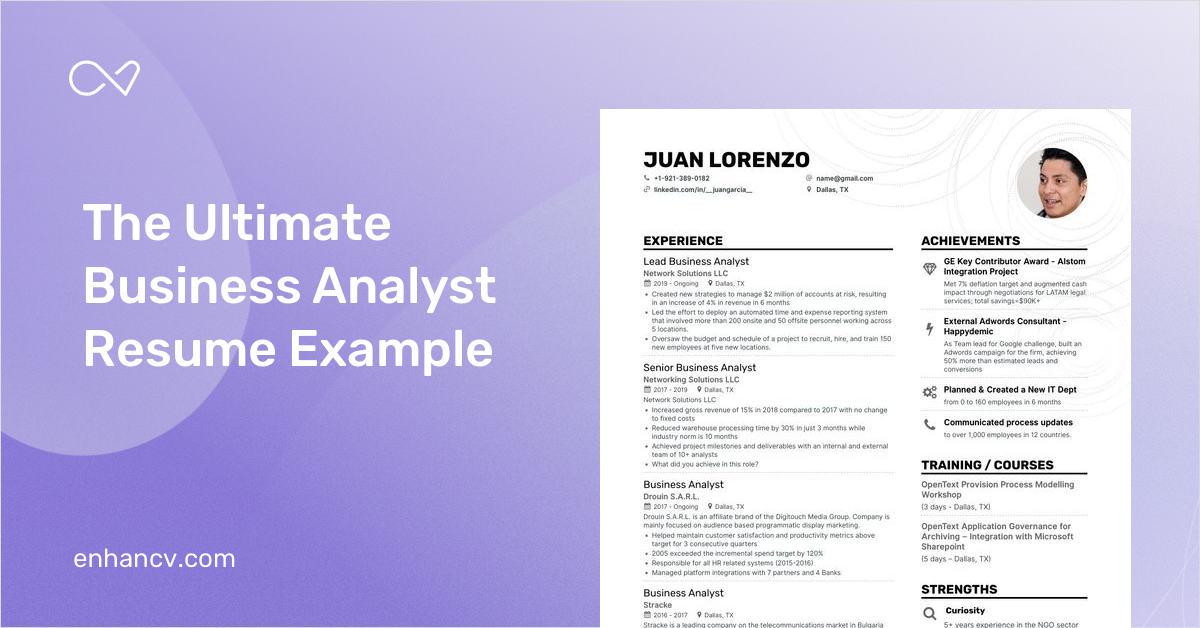
See how easy that is? Now, let’s talk about the actual structure. You don’t need a fancy template with bars and charts. You need a clean, boring, and scannable document. Recruiters spend about six seconds looking at it, so make every second count.
The “Objective” Is Dead
Please, for the love of all that is holy, kill the “Objective” statement. Saying “I want a challenging position in a dynamic company” is like saying “I like oxygen.” It means nothing. Instead, replace it with a Professional Summary that’s actually specific.
Try this: “A motivated recent graduate with a passion for turning chaos into order. Skilled in gathering vague ideas from people and turning them into something slightly less vague. Eager to apply strong analytical skills to solve real business problems.” That’s honest and a little funny—it shows personality.
Now, the meat: your education and skills. You list your degree, but then you get weird. You start listing every skill you’ve ever heard of, like “Agile” and “Scrum” and “Python.” Please stop. If you don’t know the difference between a sprint and a marathon, you’re going to look silly in an interview.

Skills: The Honest List
Only list skills you can actually talk about for two minutes. If asked, “What is SQL?” and your answer is “It’s like, a database thing?”—you’re done. Instead, focus on the universal skills every fresher actually has: active listening, critical thinking, and advanced procrastination avoidance tools.
For technical stuff, be modest. Say “Familiar with,” not “Expert in.” You’re a fresher; nobody expects a master. They expect someone who won’t break the server on day one. So, write “Familiar with Excel (pivot tables, vlookup) and basic SQL queries.” That’s plenty. Also, add “Google Sheets,” because it’s free and everyone uses it.
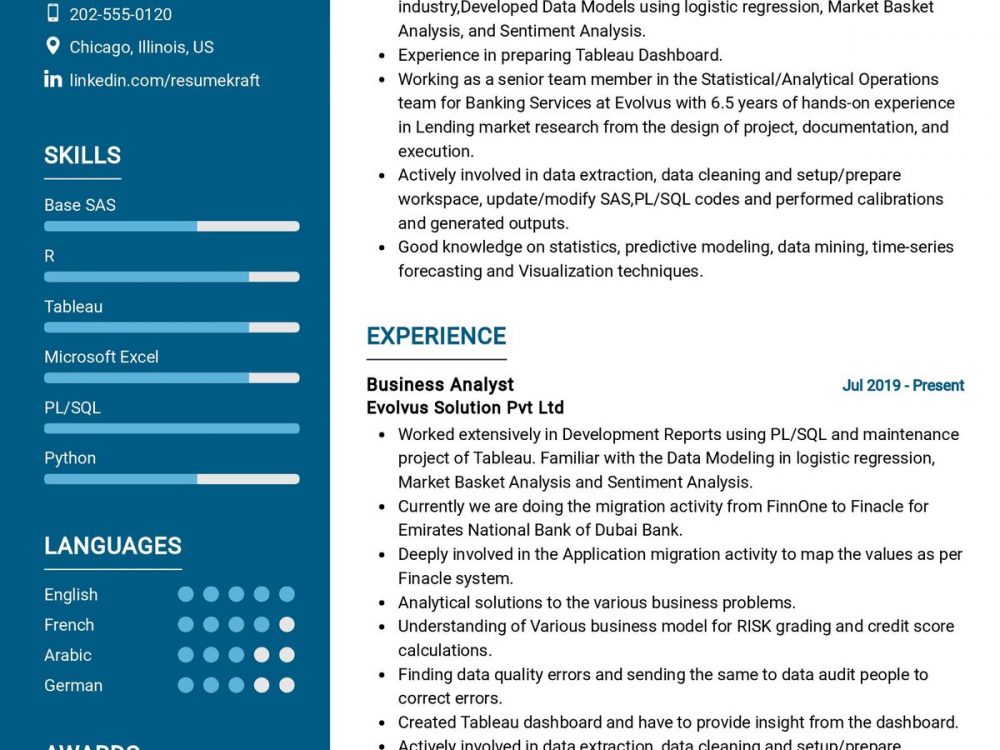
Then comes the section that makes every fresher sweat: Projects. You don’t have professional projects, so you use academic ones. Good. But don’t just say “I made a banking app.” Say “Designed a simple banking app for a class project, focusing on user flow and data integrity. Managed a team of three and delivered the final report ahead of schedule.” That shows impact, not just activity.
The “Extra” That Saves You
One huge tip: add a section for “Certifications & Courses”. Even if they’re free online courses from Coursera or LinkedIn Learning, they show initiative. It’s like saying, “I know I don’t know everything, but I’m trying.” Don’t forget the hobbies. No, I’m serious. Saying you play chess or write a blog tells me you can think strategically or communicate. Just don’t say “watching Netflix” or “hanging out with friends.” That’s not a skill; that’s a state of being.

Finally, format. Use bullet points, not paragraphs. Use a standard font like Calibri or Arial. Don’t use borders, colors, or clip art. I once saw a resume with a rainbow gradient header. It went into the recycle bin before I finished blinking. Keep it black and white, folks.
And here’s the last unpopular opinion: Your resume won’t get you the job; your interview will. The resume is just the ticket to the show. So make it honest, make it specific, and maybe inject a tiny bit of humor. If you can make a recruiter smirk, you’ve won half the battle.
So go ahead, polish that fiction. Turn your group projects into “cross-functional collaborations” and your late-night study sessions into “independent research.” Because in the world of fresher resumes, confidence is king, and a little creative editing is your crown. Good luck—you’ll need it.
![IT Business Analyst Resume: Sample & Guide [Entry Level + Senior Jobs]](https://s3.resumaker.ai/en-US/seo-images/resume-examples/IT-Business-Analyst-Resume-Example.png)