Border Patrol Academy Requirements

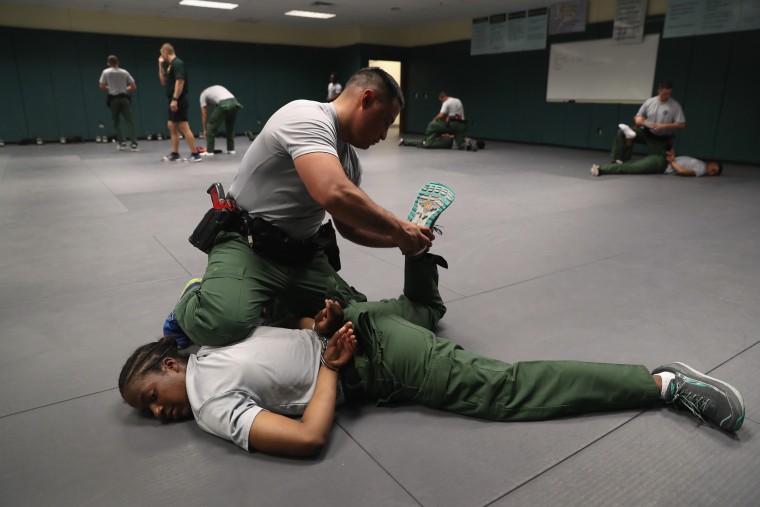
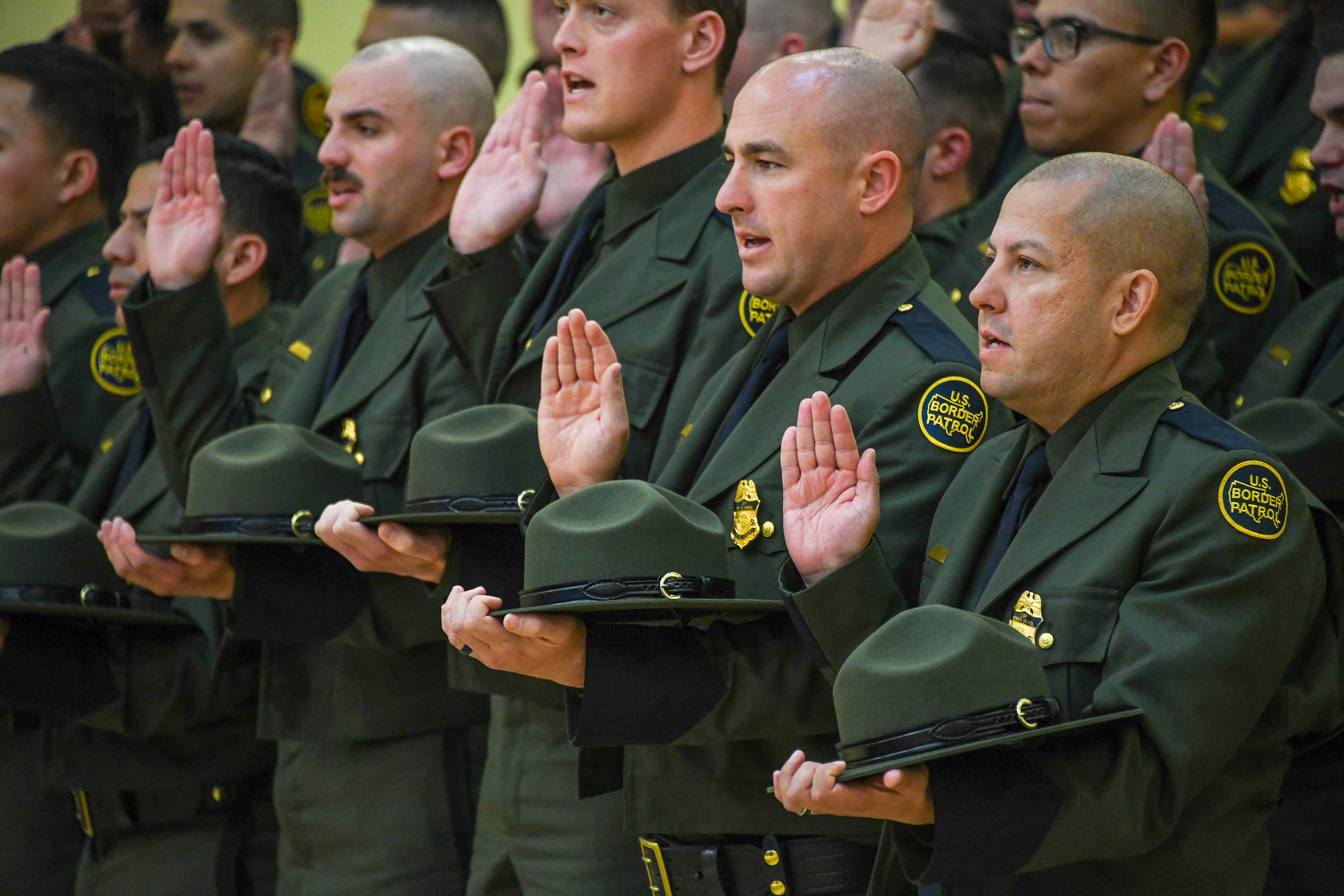
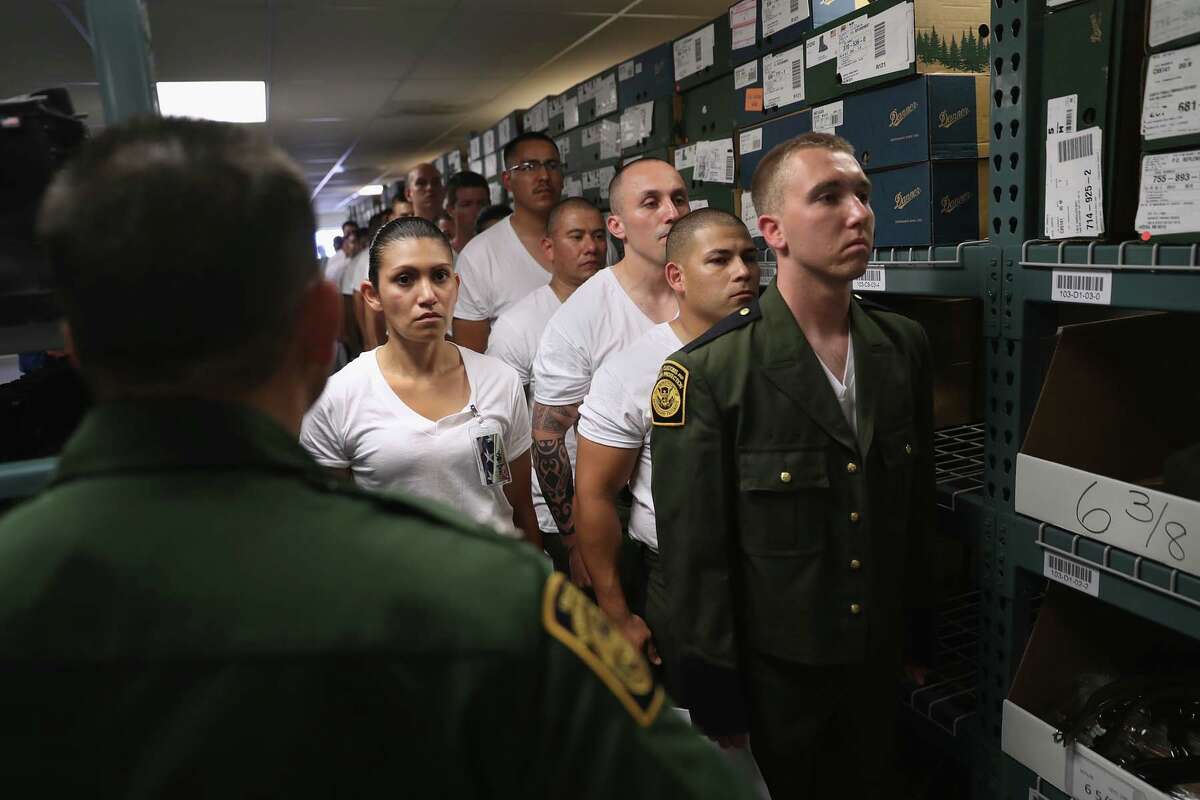
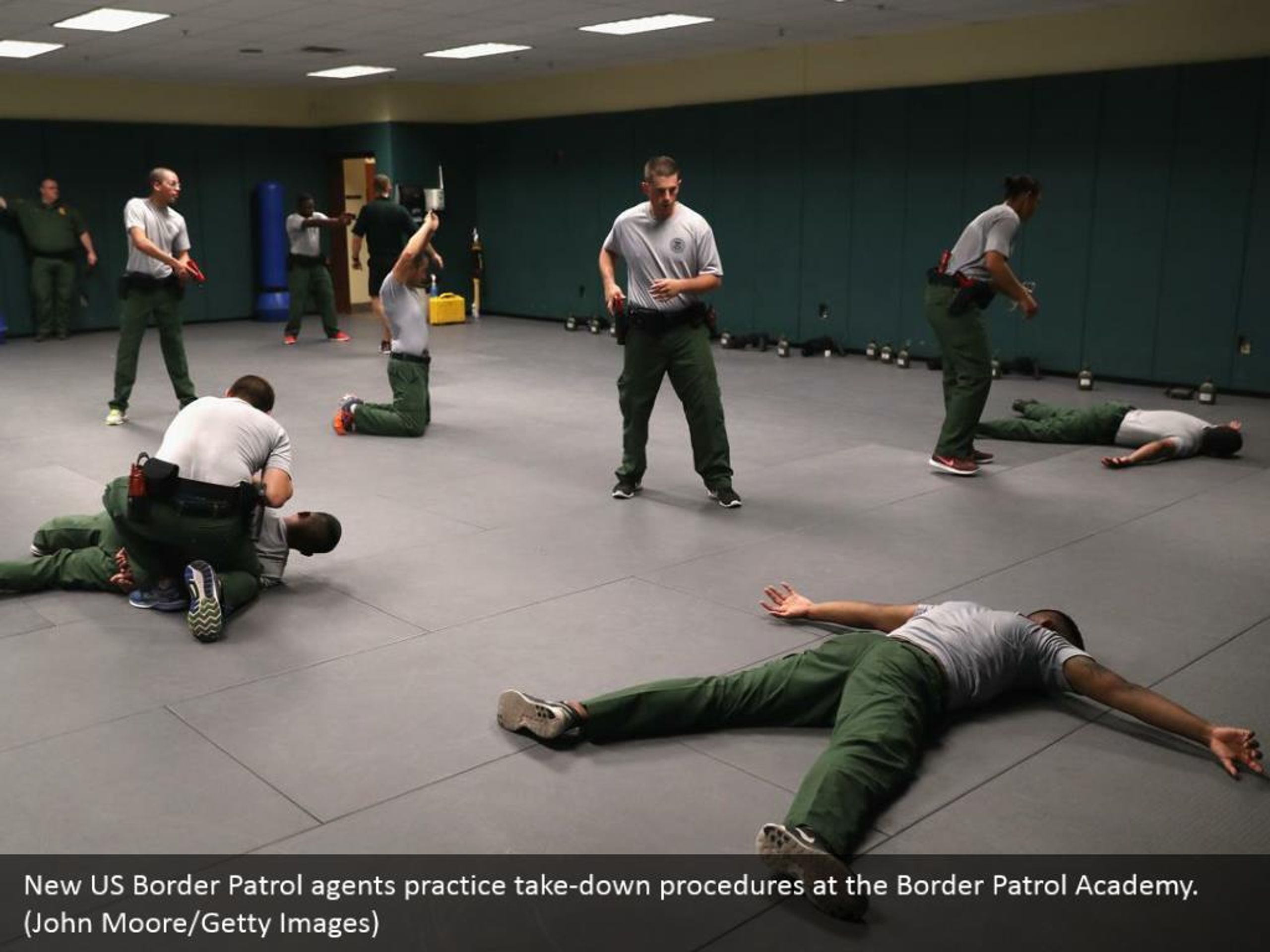
Ever wonder what it actually takes to become the person standing at the gate, checking passports and asking where you’re headed? The Border Patrol Academy isn’t just some walk-in-the-park training session; it’s a full-on, six-month mental and physical marathon. But honestly, the requirements to get in are just as fascinating as the training itself.
First Things First: The Basic Checklist
Before you can even dream about the academy, you need to meet some non-negotiable basics. You’ve got to be a U.S. citizen, obviously, and be between the ages of 18 and 39 (unless you’re a veteran, which gets you some extra time). You also need a valid driver’s license and a clean-ish record—this isn’t the place for a rap sheet full of surprises.
You’ll also need at least a year of work experience or a bachelor’s degree. But here’s the fun part: your degree doesn’t have to be in criminal justice. Art history, biology, underwater basket weaving—it all counts, as long as you can prove you’re not afraid of hard work.
Must Read
Oh, and a quick heads-up: they will look at your credit history. It’s not about being rich, but about showing you’re not a financial disaster waiting to be bribed. Makes sense, right?
The Test That Makes You Sweat (Literally)
Now, the physical fitness test sounds scary, but it’s actually pretty doable if you’re not a total couch potato. We’re talking push-ups, sit-ups, and a 1.5-mile run. The kicker? You have to hit a certain score based on your age and gender, so it’s not a one-size-fits-all trap.
Think of it like a video game where the difficulty scale adjusts to your level. You don’t need to be a Navy SEAL; you just need to show up with a heartbeat and some determination. If you can run a mile and a half without needing an ambulance, you’re already halfway to being a hero.
The Brain Games and the Polygraph
Here’s where it gets quirky. You’ll sit through a logical reasoning test that feels like a cross between a puzzle book and a personality quiz. They want to see if you can solve problems under pressure—like, “You see a suspicious backpack, what’s your next move?” It’s less about being a genius and more about having common sense.

Then comes the polygraph, which is basically a lie detector that makes you think about every mistake you’ve ever made. The trick? They’re not just looking for lies; they’re looking for honesty about your past. Did you try weed in college? They don’t always care, but if you lie about it, you’re toasted. It’s like a strange therapy session where the truth really does set you free.
The Super-Secret Background Check
Your neighbors, ex-coworkers, and even your old college roommate will get a call. Agents will ask about your character, your habits, and whether you’re the kind of person who returns a shopping cart. It’s a little creepy, sure, but it’s also kind of cool—they’re building a full human puzzle out of your life.

They’ll also check your social media, so maybe now is a good time to delete that tweet about hating Mondays. The whole idea is to see if you’re trustworthy, not perfect. Everyone has a weird story; they just want to make sure your weird story isn’t a security risk.
Why This Is Strangely Cool
Honestly, the requirements are intense, but they’re also a filter for some pretty awesome people. You’re not just learning to jump fences or shoot a taser; you’re being trained to make split-second decisions that affect lives. That’s a big deal.
So, if you’re sitting there thinking, “Could I do it?”—the answer is maybe, if you’re ready to sweat, be honest, and run a few laps. The academy is tough, but getting your foot in the door is like passing the world’s most intense job interview for a role nobody else gets to play. And that? That’s pretty badass.