Biomat Plasma Donation Compensation
Okay, let’s talk about something that’s part science, part side-hustle, and 100% weirdly fascinating: donating plasma for cash. You’ve probably seen the BioMat (or similar) centers and wondered, “Is that a blood bank? A vitamin drip? A secret vampire lair?” The truth is, it’s a place where you can roll up your sleeve, binge a Netflix show on your phone, and walk out with cold, hard cash. But before you start planning your early retirement funded entirely by your own bodily fluids, let’s break down the real deal on compensation.
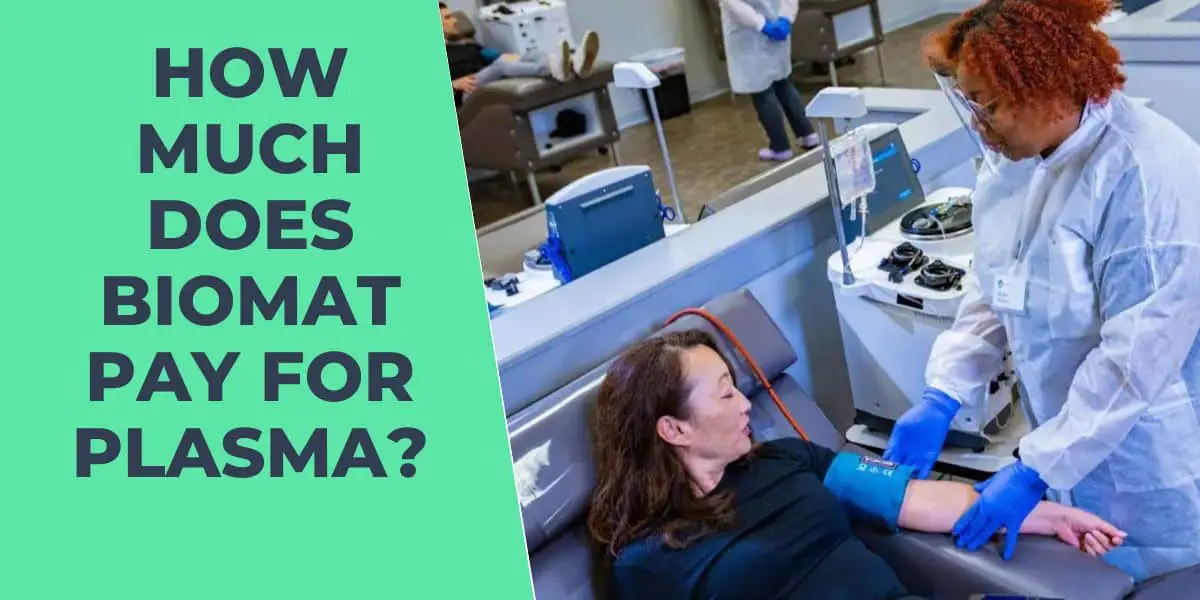
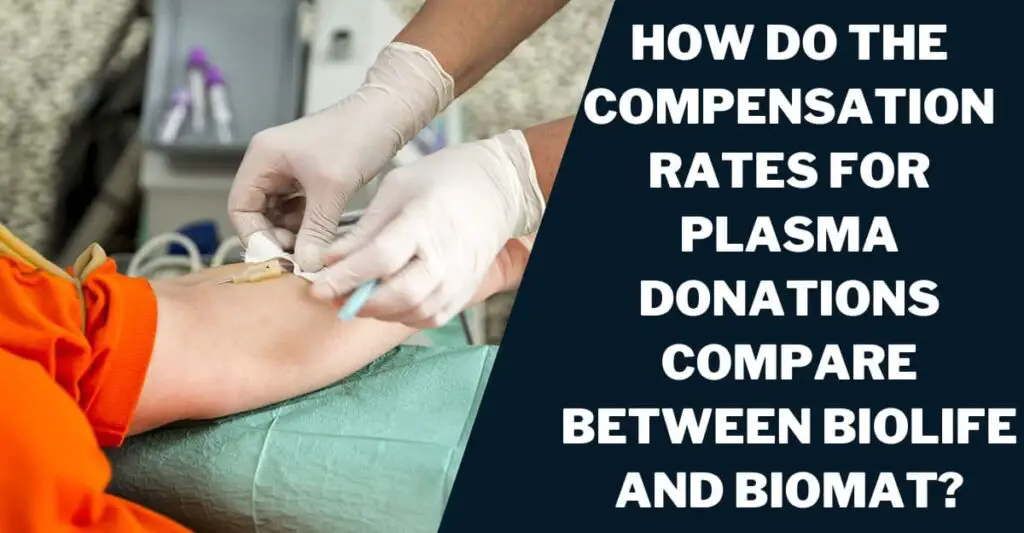
First things first—why do they pay you, anyway? Unlike whole blood donation (which is a lovely, noble, free gift to humanity), plasma is used to create life-saving therapies for people with rare diseases. The process is intense: they take your blood, spin it in a machine to extract the golden liquid (plasma), and then put the red stuff back into your arm. It takes about an hour, and honestly, it’s a little like being a human smoothie in reverse. Because it’s time-consuming and a tad awkward, centers compensate you for your time and effort. Think of it as a “thanks for sitting still and not complaining” fee.
So, How Much Moolah Are We Talking?
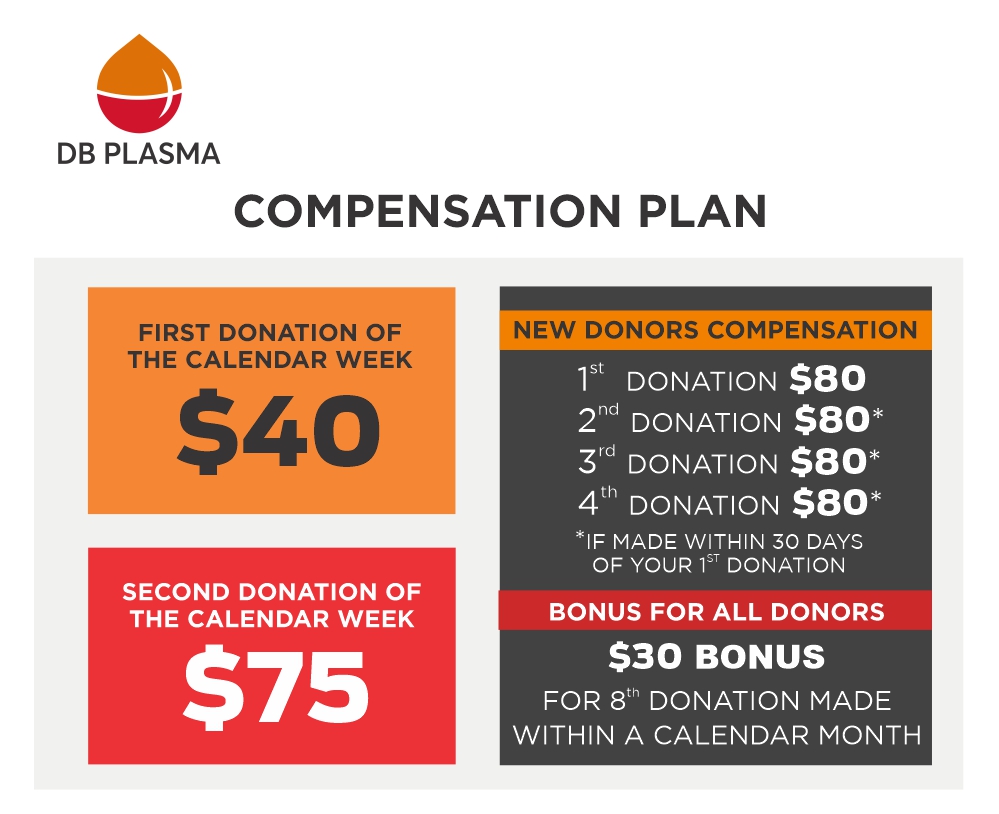
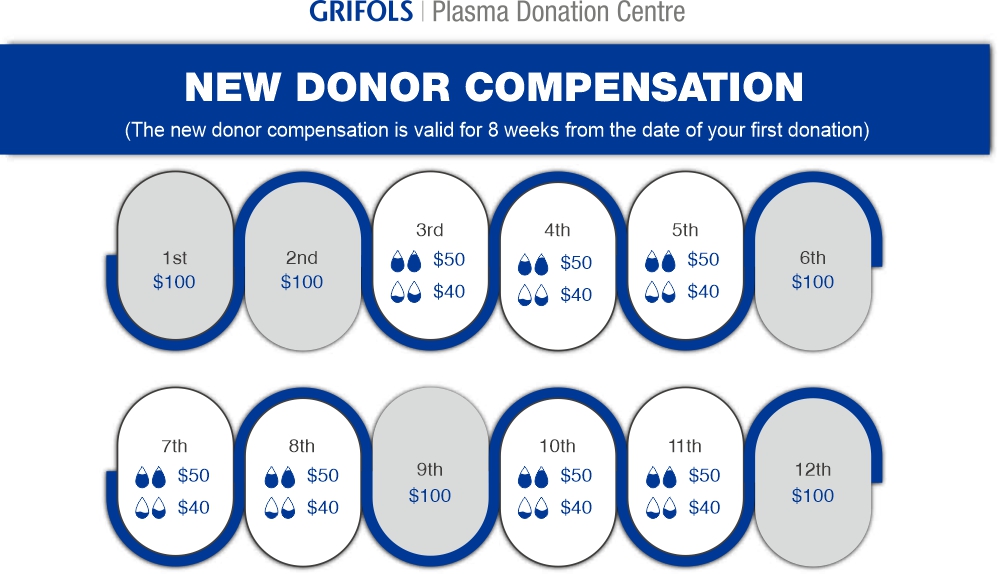
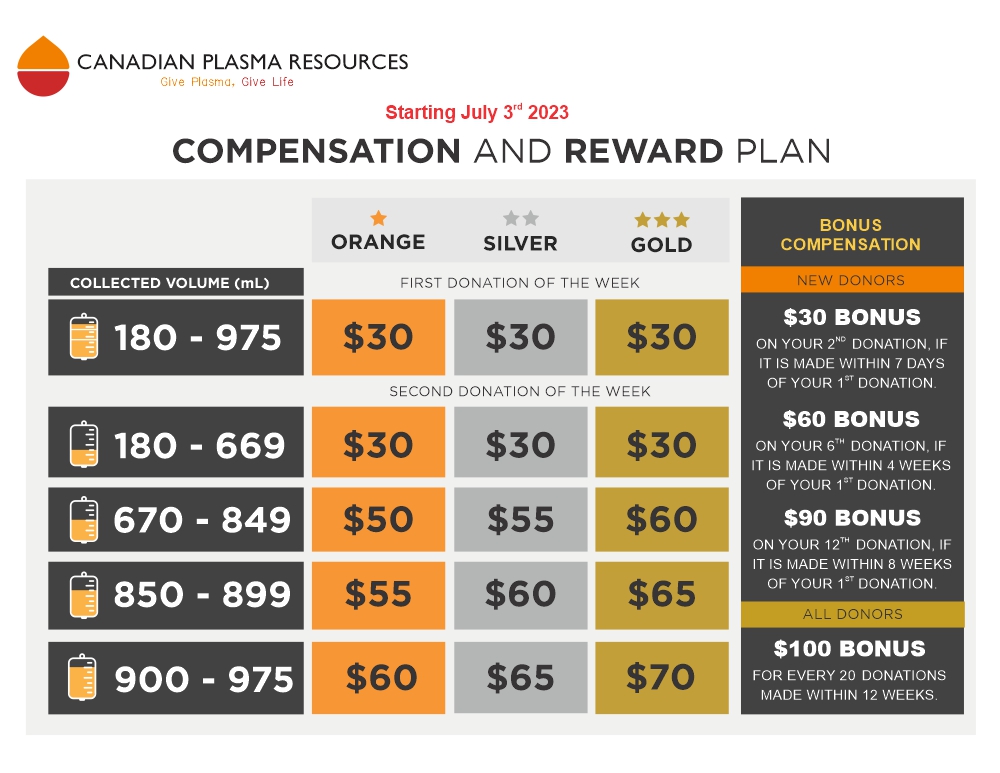
Here’s where it gets fun. The compensation isn’t a flat $50 every time. It’s a loyalty program disguised as a medical procedure. Your first visit usually pays the least—think $30 to $50—but the magic happens when you come back for your second, third, and fourth visits within a week. Many centers use a “tiered” system: your first donation might be $40, the second $60, the third $80, and by the fourth, you could be looking at $100 or more. You can easily clear $400 to $600 a month if you’re a consistent donor, which is like a tiny part-time job that requires you to be punctual and slightly hydrated.
Must Read
But wait, there’s a catch—and it’s a funny one. You can’t just donate every single day. Your body needs time to rebuild those proteins. Most centers allow a maximum of two donations in a seven-day period, with at least 48 hours in between. So, if you go on Monday and Tuesday, you can’t waltz in on Wednesday and be like, “Hit me again, doc!” They’ll politely hand you a juice box and send you home. Honestly, it’s the universe’s way of saying, “Hey, your insides need a spa day, not a marathon.”
Incentives, Bonuses, and First-Time Swag
If you’re a newbie, you’re in for a treat. Biomat and similar centers often run new-donor bonuses that are wildly generous. We’re talking $700 to $900 in your first month if you hit all your visits. They also love referral programs—bring a friend, and you both get an extra $20. Oh, and if you’re lucky, they’ll throw in a free t-shirt that says “Plasma: I Give So You Can Live,” which is the perfect conversation starter at any grocery store. The real secret? Download their app. They constantly send push notifications like, “Bonus weekend! Earn an extra $25 today!” It’s like being stalked by a very caring, slightly pushy health app.
The wise approach here is to treat it like a bi-weekly paycheck. If you can commit to two visits per week, every week, you’re looking at a predictable income stream. But don’t quit your day job just yet. The first visit is a long one—expect to be there for two to three hours because of the health screening, the physical exam, and the paperwork that asks you if you’ve traveled to any mosquito-heavy countries recently. It’s a whole production. But by your third visit, you’ll be an old pro, and you’ll actually miss the weirdly comfortable recliners and the sound of other donors snoring gently.
The Golden Rule: Your Body is the Boss
Here’s the honest, non-fun part that we need to chat about. That money is tempting, but you can’t treat your veins like an ATM machine. Donating plasma dehydrates you and can make you feel like a deflated balloon. You’ll need to drink a gallon of water the day before, eat a solid protein-heavy meal beforehand (sorry, no doughnuts-only breakfast), and avoid alcohol for 24 hours prior. If you ignore this, you’ll get dizzy, the machine will beep at you, and the staff will give you the “mom” look of disappointment. Believe me, that look is worse than a low bank balance.
Also, that compensation is taxable. Is the IRS going to come after you for your $400 a month in plasma money? Technically, yes, it’s income. But in practice, most people just report it as “miscellaneous income” and call it a day. It’s not like you need to wear a tiny suit and tie to donate, but don’t be shocked if you get a 1099 form at the end of the year.
So, what’s the final verdict? Biomat plasma donation compensation is a solid, flexible gig for extra cash. It’s not for the faint of heart—literally, you have to look away when the needle goes in—but it’s for anyone who wants to help save a life and pay off their car insurance in the same week. The best part? You leave with a weird sense of pride, a slightly orange-colored Gatorade taste in your mouth, and a few crinkled bills in your pocket.
And hey, if you ever feel embarrassed about it, just remember: you’re not selling a kidney. You’re selling the liquid gold that you make anyway, every single day, just by existing. You’re basically a renewable resource. So go hydrate, eat your eggs, and make that appointment. Your wallet (and some stranger’s immune system) will thank you. And if you see me there? I’m the one with the juice box and the smug smile.