
Best Way To Male Masturbate
Understanding the intricacies of male masturbation is crucial for a healthy and fulfilling sex life. The science behind masturbation reveals that it is a natural and normal part of human sexuality, serving as a means of self-exploration, stress relief, and even improving overall sexual health. By grasping the core mechanics of masturbation, individuals can approach the subject with a clearer mind and a more empowered perspective. This, in turn, can lead to a more satisfying and healthy relationship with one's own body.
The basic science of male masturbation involves understanding the anatomy of the male reproductive system, including the penis, testicles, epididymis, vas deferens, seminal vesicles, prostate gland, and urethra. Each of these components plays a vital role in the process of ejaculation and orgasm. Furthermore, recognizing the physiological responses during masturbation, such as arousal, erection, and climax, can provide insights into one's sexual health and help identify any potential issues early on.
It's also important to acknowledge the psychological aspects of masturbation. Mental health and self-acceptance can significantly influence one's attitude towards masturbation, impacting the overall experience. A positive and informed mindset can enhance the benefits of masturbation, making it a means of self-care and stress relief, rather than a source of guilt or anxiety. By combining physical understanding with psychological awareness, individuals can cultivate a healthier and more positive relationship with their bodies.
Must Read
Biological and Systemic Reactions
Diving deeper into the biological and systemic reactions related to male masturbation reveals a complex interplay of hormones, neurotransmitters, and physical responses. The process begins with arousal, triggered by sexual thoughts or stimuli, leading to the release of testosterone and dopamine, which play key roles in libido and pleasure. As arousal increases, the body prepares for orgasm through a series of physiological changes, including vasocongestion and myotonia, which are crucial for the ejaculatory reflex.
The neurological aspect of masturbation is equally fascinating, involving the coordination of various parts of the brain, including those responsible for emotional regulation, sensory processing, and motor control. Understanding these neurological pathways can provide insights into why masturbation can have such a profound impact on both physical and mental well-being. Moreover, recognizing the systemic reactions, such as the potential effects on cardiovascular health and immune function, underscores the importance of masturbation as a part of a holistic approach to health.
Exploring the lesser-known aspects of male masturbation, such as the role of prostaglandins and oxytocin in orgasm and bonding, can further enrich one's understanding of this complex process. Oxytocin, often referred to as the "love hormone," is released during orgasm and plays a significant role in social bonding and attachment, highlighting the potential emotional and relational benefits of masturbation. By considering these biological and systemic reactions, individuals can foster a more informed and appreciative attitude towards their sexual health.

Practical Strategies and Hacks
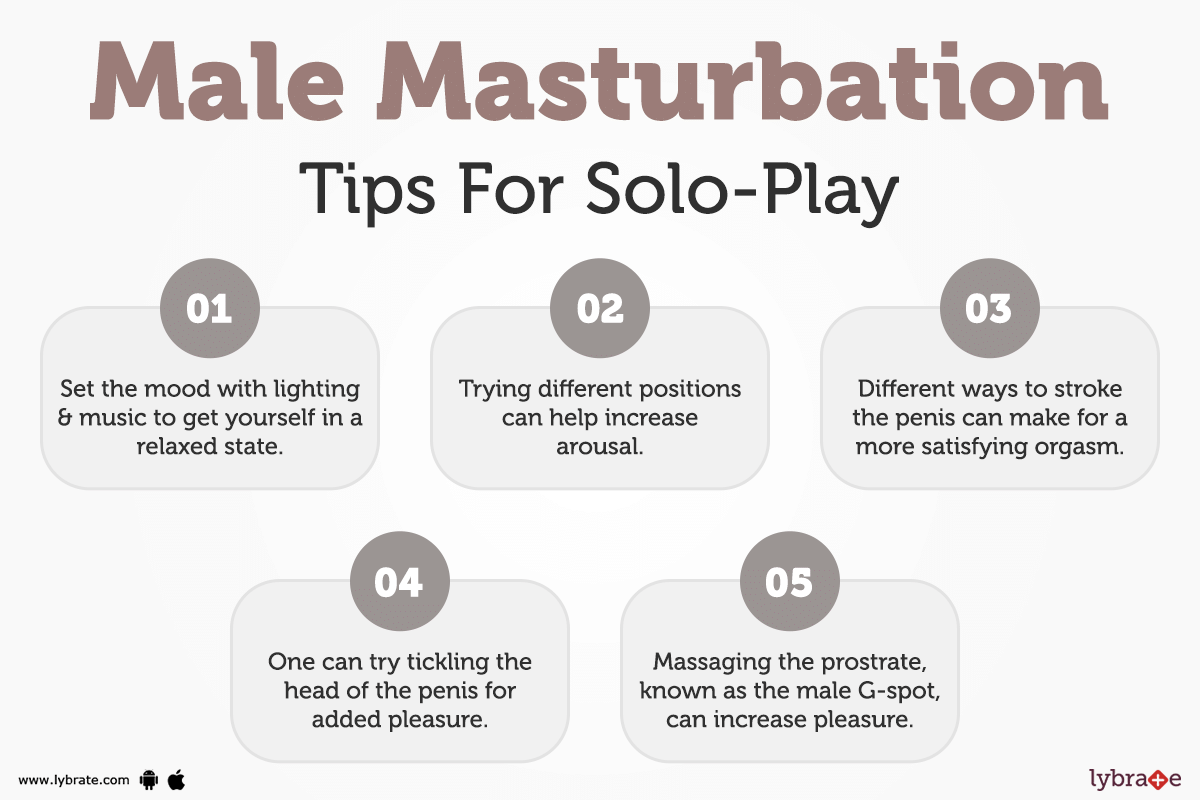
Moving beyond the theoretical, there are numerous practical strategies and "hacks" that can enhance the male masturbation experience. One of the most effective approaches is to experiment with different techniques, such as varying stroke speeds, pressures, and patterns, to discover what works best for each individual. Additionally, incorporating lubricants can significantly reduce friction and enhance pleasure, making the experience more comfortable and enjoyable.
Another valuable hack is to pay attention to erotic stimuli, such as pornography, erotic literature, or fantasy, to enhance arousal and satisfaction. It's also beneficial to create a conducive environment, ensuring privacy and comfort, which can greatly impact the overall experience. For those looking to improve ejaculatory control, techniques such as the "stop-start" method or Kegel exercises can be particularly useful, allowing for better management of orgasm and increasing sexual satisfaction.
For individuals seeking to optimize their masturbation routine, considering the timing and frequency can be beneficial. Some find that masturbating at specific times of the day or incorporating it into a daily routine can help regulate sexual health and overall well-being. Furthermore, exploring different positions or using sex toys can add variety and excitement, preventing the experience from becoming stale or routine.
Lastly, embracing open communication with partners about masturbation can strengthen relationships and foster a more open and healthy attitude towards sexuality. Discussing preferences, boundaries, and desires can lead to a more fulfilling sexual life, both individually and with a partner. By applying these practical strategies, individuals can master the art of male masturbation, enhancing their sexual health and overall quality of life.
Frequently Asked Questions
Is Masturbation Normal and Healthy?
Masturbation is indeed normal and healthy. It is a natural part of human sexuality and can serve as a means of self-exploration, stress relief, and even improving overall sexual health. The stigma surrounding masturbation often stems from societal or cultural beliefs rather than any inherent negative aspects of the practice itself. Embracing masturbation as a healthy and normal activity can lead to a more positive and empowered sexual identity.
Recognizing the health benefits of masturbation, such as reducing stress, improving sleep, and enhancing sexual function, can further reinforce its value as a part of a healthy lifestyle. Moreover, masturbation can offer a safe space for individuals to explore their sexual preferences and boundaries without the pressures or risks associated with partnered sexual activity. By acknowledging its normalcy and health benefits, individuals can cultivate a more informed and accepting view of masturbation.
How Often Is Too Often?
The question of how often is too often when it comes to masturbation is highly individual and depends on various factors, including age, health, and personal circumstances. For most adults, masturbation is not considered a problem unless it interferes with daily life, relationships, or overall well-being. If masturbation becomes an obsessive behavior or leads to negative impacts on physical or mental health, it may be worth examining the underlying reasons and potentially seeking professional advice.
It's essential to distinguish between a healthy masturbation habit and one that might be indicative of an underlying issue, such as sex addiction or compulsive sexual behavior. In cases where masturbation is causing harm or distress, addressing the root causes and seeking support can help individuals develop a healthier and more balanced relationship with their sexual desires. A professional, such as a sex therapist or counselor, can provide guidance and support in navigating these complex issues.

Can Masturbation Affect Fertility?
The impact of masturbation on fertility is a common concern, especially among men trying to conceive. The frequency of masturbation and its potential effects on sperm quality and quantity are subjects of ongoing research. While excessive masturbation might temporarily reduce sperm count due to semen depletion, it is not typically considered a significant factor in male infertility.
More critical factors affecting fertility include overall health, lifestyle choices, and underlying medical conditions. For men concerned about the impact of masturbation on their fertility, focusing on a balanced lifestyle, maintaining a healthy weight, avoiding excessive heat exposure to the testicles, and managing stress can be more beneficial. Consulting with a healthcare provider or fertility specialist can offer personalized advice and reassurance regarding any concerns about masturbation and fertility.
How Can I Make Masturbation More Enjoyable?
Making masturbation more enjoyable often involves exploration and experimentation. Trying different techniques, positions, or erotic stimuli can help discover what enhances pleasure and satisfaction. Incorporating sex toys or lubricants can also add variety and comfort to the experience. Moreover, creating a relaxing and private environment can reduce stress and increase enjoyment, allowing individuals to fully immerse themselves in the experience.
Another approach is to focus on the sensory experience, paying attention to the sensations, smells, and visuals that enhance arousal and pleasure. For some, exploring fantasies or using erotic materials can be a powerful way to increase enjoyment. The key is to find what works best for each individual, as preferences can vary greatly. By being open to new experiences and maintaining a positive attitude towards masturbation, individuals can continually enhance their enjoyment and satisfaction.
Is It Okay to Masturbate in a Relationship?
Masturbation in a relationship is a common and normal aspect of many individuals' sexual lives. Whether or not it's okay to masturbate in a relationship depends largely on communication and mutual agreement between partners. Openly discussing desires, boundaries, and preferences can help ensure that both partners feel comfortable and respected.
In fact, masturbation can be a healthy complement to a partnered sex life, offering a means of self-exploration and fulfilling personal sexual needs without relying solely on a partner. When both partners are aware of and respect each other's masturbation habits, it can strengthen trust and intimacy, contributing to a more fulfilling and open sexual relationship. By embracing masturbation as a natural part of human sexuality, couples can foster a more inclusive and supportive understanding of each other's sexual desires and needs.
Reflecting on the science behind male masturbation highlights the importance of respecting and understanding human sexuality. By embracing the natural aspects of masturbation and recognizing its benefits for physical and mental health, individuals can cultivate a more positive and empowered relationship with their bodies. This, in turn, can lead to greater self-awareness, improved sexual health, and more fulfilling relationships, both with oneself and with others.
Furthermore, acknowledging the complexity and individuality of sexual experiences can help break down stigmas and promote a more open and accepting society. As we continue to learn more about the biology, psychology, and sociology of human sexuality, we are reminded that sexual health is a vital component of overall well-being. By approaching masturbation and sexual health with a data-driven, pragmatic, and empowering mindset, we can work towards a future where sexual expression is valued, respected, and understood as an integral part of the human experience.

