Best Joint Supplement For Rottweiler
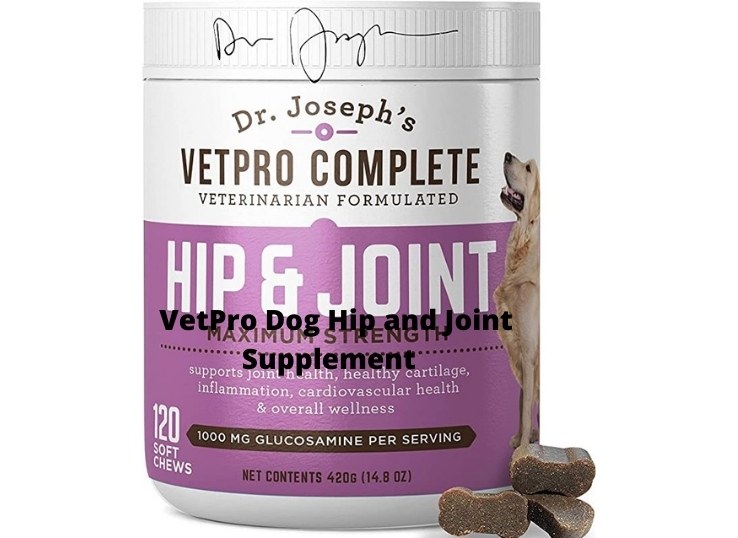
When we talk about optimizing a Rottweiler’s lifespan, we’re not just talking about exercise regimens or caloric intake; we’re talking about the biomechanical integrity of a 130-pound locomotive. The Rottweiler’s frame is a masterpiece of power, but that power comes at a steep structural cost. Their growth plates, particularly in the elbow and hip, are notoriously sensitive to nutritional excess, and their deep chests and heavy bone density place a sheer force on cartilage that smaller breeds simply never experience. The scientific reality is that canine osteoarthritis isn't a geriatric inevitability—it’s a chronic, low-grade inflammatory cascade that begins long before lameness appears. To combat this, you must approach supplementation not as a passive insurance policy, but as a targeted molecular intervention.
The core mechanics of joint health hinge on the synovial fluid’s viscosity and the chondrocyte’s ability to synthesize new cartilage matrix. Every time your Rottweiler rises from a down-stay or leaps into the car, the articular cartilage undergoes compression, squeezing out metabolic waste and imbibing fresh synovial fluid. This is a beautiful, passive hydraulic system. However, when the cartilage surface degrades faster than it rebuilds, the subchondral bone begins to sense aberrant stress, triggering a feedback loop of pain and further enzymatic breakdown. A "best" supplement, therefore, is not the one with the highest marketing budget, but the one that mathematically addresses the ratio of matrix metalloproteinases (MMPs) to tissue inhibitors of metalloproteinases (TIMPs). You are, in effect, trying to shift a biological equilibrium through exogenous compounds.
Your pragmatic approach must be data-driven. We cannot rely on anecdotal "my dog runs better" reports. Instead, we look at measurable outcomes: reduced peak vertical force on a force plate, increased stride length, and lower serum concentrations of inflammatory cytokines like IL-6 and TNF-alpha. The supplements that achieve these results are not magic. They work through specific receptor pathways—some inhibiting NF-kB translocation, others providing the raw steric building blocks for glycosaminoglycan (GAG) synthesis. Understanding this molecular machinery separates the empowered owner from the hopeful one.
Must Read
The Biological Specificity: Why Rottweilers Need More Than Glucosamine
Let’s dismantle the myth that generic chondroitin and glucosamine are sufficient. For a Rottweiler, whose genetic predisposition to elbow dysplasia is statistically significant, you must consider the bioavailability of the compound. Standard glucosamine sulfate has an oral bioavailability of roughly 10-15% in canines; the rest is metabolized by first-pass hepatic extraction. More critically, glucosamine alone does not halt the activity of catabolic enzymes like aggrecanase. You need an anti-catabolic agent. This is where undenatured type II collagen (UC-II) enters the picture. This compound works via oral tolerance induction—Peyer’s patches in the gut sample the collagen and downregulate the specific T-cell response that attacks your dog’s own joint cartilage. It’s a sophisticated immune modulation, not just a lubrication hack.
Furthermore, we must consider the oxidative stress specific to a heavy-muscled breed. Rottweilers generate massive amounts of reactive oxygen species (ROS) during high-impact activity. These ROS directly attack the hyaluronic acid in synovial fluid, depolymerizing it and turning a thick, shock-absorbing gel into watery fluid. Therefore, the best regimen includes superoxide dismutase (SOD) or its precursors, often derived from melon or barley. This is not about antioxidants in the vague sense; it’s about protecting the specific viscoelastic properties of the joint space. If you don't address ROS, you are chemically degrading the very lubricant you are trying to supplement.
Another overlooked systemic reaction is the role of insulin-like growth factor-1 (IGF-1). Rottweilers, being giant breeds, have complex growth hormone axes. Excessive protein intake during growth phases can spike IGF-1, accelerating chondrocyte maturation and leading to premature calcification—a precursor to osteochondritis dissecans (OCD). Supplementation must not interfere with this, but it can help regulate it. Omega-3 fatty acids (EPA/DHA) act as resolving mediators, upregulating the production of specialized pro-resolving lipid mediators (SPMs) like resolvins. These SPMs don't just block inflammation; they actively clear cellular debris from the joint capsule, allowing chondrocytes to regenerate. You are not just numbing the pain; you are cleaning the cellular battlefield to allow for repair.
Finally, we must discuss methylsulfonylmethane (MSM) with scientific skepticism. MSM provides sulfur, a critical element for the disulfide bonds in connective tissue. However, the clinical evidence for MSM in canines is mixed. The pragmatic approach is to view MSM as a supportive matrix aid, not a standalone therapy. It works best when paired with hyaluronic acid (HA) of a specific molecular weight. High-molecular-weight HA (above 1,000 kDa) has been shown to physically inhibit leukocyte migration into the joint, mimicking the natural synovial fluid thickness. If you buy a cheap HA supplement with low molecular weight, you are essentially flushing money down the drain, as it will not have the viscoelastic properties to retain shock absorption.
Life Hacks for Joint Optimization: The Measurable Protocol
Hack #1: Initiate the "Growth Plate Truce" (8-12 months). Stop buying "puppy" joint formulas. They are useless. Instead, during the rapid growth phase, use a formula with low calcium (1.5-2.5g per 1000 kcal) and high EPA/DHA. Strictly monitor the body condition score (BCS) to a 4 out of 9—lean is non-negotiable. For every extra pound of fat, the force on the hip joint in a trotting Rottweiler increases by roughly 4-6x the body weight due to ground reaction forces. Keep them at 80% of their genetic weight potential during the first year. Combine this with a supplement containing UC-II at a precise dose of 10mg per 25kg of body weight, daily, on an empty stomach.
Hack #2: Time Your NSAIDs and Supplements with a "Interference Window." If your vet prescribes a non-steroidal anti-inflammatory (e.g., carprofen) for an acute flare, understand that this blocks the COX enzymes globally. However, it also blunts the efficacy of omega-3s because both compete for the same elongase enzymes. Logic dictates you should space them. Give the NSAID in the morning, and the omega-3s at night, separated by at least 12 hours. Do not give a green-lipped mussel extract (Perna canaliculus) concurrently with NSAIDs; the mussel is a COX-2 inhibitor itself, and stacking them risks renal papillary necrosis. Use one or the other for a flare, not both.
Hack #3: The "Cartilage Loading" Micro-Cycle. You must stimulate chondrocytes mechanically. The best supplement in the world cannot work on a dog that is sedentary. But for a Rottweiler, high-impact running (frisbee, hard pavement trotting) is destructive. Instead, use aquatic therapy or slow incline walking on a treadmill. Aim for 30 minutes of walking with a 5-degree incline, which increases the load on the stifle without the concussive impact. Administer your collagen supplement 30 minutes before this workout. This primes the gut-associated lymphoid tissue to release the anti-inflammatory cytokines right as the mechanical stress is occurring, maximizing the local response.
Hack #4: Measure Biomarkers, Not Behavior. You cannot see pain in a stoic Rottweiler; they are bred to hide pathology. Instead, track objective metrics. Buy a pet activity monitor and measure nighttime restlessness (a subtle indicator of joint pain) and sit-to-stand transition time. If your dog takes more than 2 seconds to stand after lying down for 20 minutes, adjust the formula. Also, track the passive range of motion (PROM) of the hip. You should be able to extend the hip to roughly 160 degrees without resistance. If you feel a hard "end feel," it’s fibrosis, not pain—increase the HA intake, not the glucosamine.

Hack #5: The "Master Supplement" Stack. If I were to build the ultimate formula from a pharmaceutical-grade perspective, it would be: UC-II (10mg/25kg) + Boswellia serrata extract (standardized to 30% AKBA) + Micronized Palmitoylethanolamide (PEA) (300mg/10kg). PEA is a fascinating endocannabinoid-like compound that works on glial cells to reduce neurogenic inflammation—it stops the central sensitization of pain. Boswellia’s AKBA specifically inhibits the 5-lipoxygenase pathway, addressing the inflammatory cascade without the gastric side effects of NSAIDs. This stack covers the immune-modulatory, the lipid, and the neural pathways simultaneously, offering a more comprehensive systemic effect than any single agent alone.
Frequently Asked Questions
Is it safe to give my Rottweiler human joint supplements?
Absolutely not, unless you are a precise pharmacist. Human formulations contain higher doses of glucosamine sulfate that often include potassium chloride as a binder, which can be hard on a dog’s renal system. More critically, human products frequently contain Xylitol as an artificial sweetener—a compound that causes massive insulin release and hypoglycemic collapse in canines, potentially fatal within 30 minutes. Additionally, human supplements often contain heavy metals or residual solvents from manufacturing that their label claims for human consumption may tolerate, but a canine’s smaller body mass does not.
Even if you find a human-grade pure UC-II, the dosage is wrong. A human capsule might have 40mg, whereas a Rottweiler needs 10mg. Overdosing on certain vitamins (like A or D) in human joint formulas can lead to hypercalcemia and bone resorption. The pragmatic rule is: invest in a veterinary-specific product that carries a National Animal Supplement Council (NASC) seal. This ensures third-party auditing for heavy metals and label accuracy, giving you the pharmacodynamic control you need for a large-breed dog.
How quickly should I see results with a joint supplement?
The biological lag time is significantly greater than most owners expect. For a molecule to influence the synovial fluid, it must undergo absorption, enter the enterohepatic circulation, and reach the joint capsule—this takes roughly 2 to 4 days for circulating levels to peak. However, for structural changes (the rebuilding of type II collagen matrix), you are waiting weeks, not days. The first measurable change is usually at the 12-day mark, where you may see a 10% increase in the viscosity of the synovial fluid. This translates to a subjective "less stiff" gait in the first 10 minutes of waking.
But here’s the critical troubleshooting point: if you do not see a behavioral change by day 45, your supplement is either not bioavailable, the dose is too low, or more likely, you are missing an underlying structural injury (like a partial cruciate tear). A supplement cannot fix a torn ligament. Do not double the dose out of frustration. Instead, get a digital radiograph or an ultrasound to check for occult changes. The supplement is optimizing the cellular environment, but it cannot defy biomechanical instability.

Can I rely solely on joint supplements and skip prescription anti-inflammatories?
This is a dangerous trap of "naturalistic fallacy." In acute flare-ups, where there is severe synovitis (joint capsule inflammation), the immune system is in a hyperactive cascade. Supplements like UC-II work via immune tolerance over time; they do not have the potency to quench an acute firestorm. In an acute phase, NSAIDs are the protocol; they inhibit COX-2 enzymes rapidly, preventing fibrin deposition and excessive effusion. Supplements are for chronic management and prevention, not for rescue.
However, you can strategize. Use the NSAID for a strict 10-day course to break the pain cycle, then taper off while maintaining the UC-II and omega-3s. If you skip the NSAID entirely, the chronic inflammatory state will cause permanent cartilage erosion that no supplement can reverse. Think of it as an acute fire extinguisher (NSAID) vs. a fire-retardant coating for the future (supplement). You need both, but at different times. Delaying NSAID therapy due to a preference for supplements can lead to irreversible chondrocyte death in a Rottweiler’s weight-bearing joints.
What is the role of Vitamin D and Calcium in joint supplementation for Rottweilers?
This is a highly delicate balance. Rottweilers have a high risk of Hypertrophic Osteodystrophy (HOD) and panosteitis if calcium is oversupplemented. The key is that joint supplements containing calcium (like coral calcium) are out. Excess serum calcium decreases the release of parathyroid hormone, which paradoxically reduces the activity of osteoclasts, leading to abnormal bone remodeling and potential pathology in the growth plates. For joint health, you want Vitamin K2 (MK-7), not calcium. K2 activates the protein osteocalcin, which directs calcium into the bone matrix and away from the joint cartilage and blood vessels.
Concerning Vitamin D: do not add extra D3 to a joint supplement unless specifically indicated by a blood test. Rottweiler puppies are extremely sensitive to vitamin D's effect on the FGF-23 pathway, and excess leads to renal calcification. The best joint supplement will have zero calcium and minimal to moderate Vitamin D3 (no more than 30 IU per kg of body weight daily). The biological goal is to keep the ionized calcium levels normal without triggering systemic mineral shifts, which a "joint support" formula should never do. Focus on magnesium and boron instead, which help with collagen cross-linking.
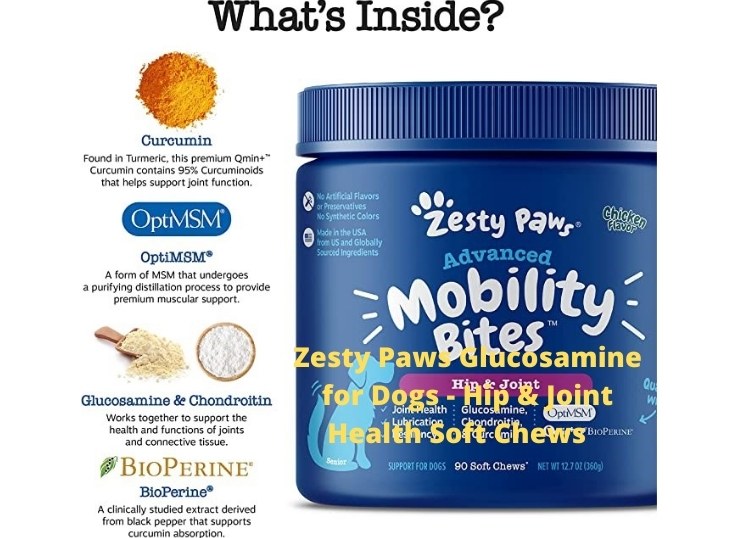
Is a liquid or chewable joint supplement more effective for a Rottweiler?
From a pharmacokinetic standpoint, liquid emulsions generally have a higher absorption rate than compressed tablets or chews. Chewable supplements often require starch fillers and baking processes that degrade heat-sensitive proteins like UC-II and enzymes. If the UC-II is denatured, it loses its conformational epitopes that trigger the immune tolerance response. Therefore, a liquid suspension or a cold-pressed hydrolyzed form is superior for these sensitive molecules.
However, there is a trade-off. Liquids have a shorter shelf-life once opened, and palatability issues may lead to refusal. If you use a chewable, ensure it is a "soft chew" that has not been baked at high temperatures. A pragmatic hack is to look at the manufacturing process; a good product will state "cold-processed" or will use encapsulated powders within a gelatin capsule that you can split onto food. The capsule format is often the best because it preserves the potency of the undegraded collagen and allows for accurate dosage, whereas chews can be inconsistent in distribution within the batch.
Critically, do not mix a chewable supplement with hot food. Heat above 40°C will destroy the biological activity of the enzymes and volatile fatty acids. Let the food cool to body temperature. If your dog is a gulper, crushing a chewable into cool, wet kibble is more biologically beneficial than giving it whole. The vehicle of administration matters less than the molecular integrity of the active ingredient during consumption.
Respecting the science of joint health transforms you from a passive observer of your dog’s aging into an active molecular engineer. You stop viewing "old age" as a disease and start seeing it as a variable that can be mathematically manipulated through dietary timing and strategic inflammatory modulation. This pragmatism is the ultimate form of love—it replaces anxiety with protocol, and hope with data points.
When you optimize the biomechanics of a powerful breed, you are honoring its genetic purpose. You are allowing the Rottweiler to be a eager, pain-free working companion rather than a slave to its own heavy frame. This is the science of everyday life: acknowledging that a few milligrams of a specific protein or a precise angle of incline on a walk can extend the quality of life by years. That is not just good pet ownership; that is applied curiosity, and it is the most empowering tool you own.