Best Inexpensive Stocks To Invest In
Let’s be real: your 401(k) is giving you the ick, and your savings account is basically a digital mattress at this point, yielding a return so small it could fit inside a microtrend’s lifespan. The internet, in its infinite wisdom, has decided that "boring" is the new sexy. We’ve traded meme stocks for mattress stocks, and the Fintwit-fluencers are now screaming about dividend aristocrats with the same fervor they once reserved for dogecoin. The era of the "YOLO" portfolio is officially over, replaced by a hyper-conscious, cost-of-living-crisis-fueled obsession with making your money actually work for you—preferably without giving you a panic attack every time you open your brokerage app.
Why the sudden pivot? Because Gen Z and Millennials have been absolutely violated by inflation, rent hikes, and the existential dread of never owning a home. When your avocado toast costs nine dollars, you start looking at your portfolio with a new, desperate clarity. The viral trend is no longer "get rich quick," but "get slightly richer, slowly, or at least don't go broke." We are witnessing the mainstreaming of the Boglehead mentality, but with a glossy, TikTok-filtered edge. It’s not about beating the market; it’s about beating your landlord.
So, let’s talk about the unsung heroes of the stock market: the inexpensive picks that won’t have you choking on your morning cold brew. We’re not talking about penny stocks—those are the financial equivalent of a gas station sushi roll. We’re talking about solid, overlooked, and affordable equities that offer the promise of stability in a world that feels increasingly volatile. This isn’t financial advice (hello, disclaimer!), but it is a cultural autopsy of why we’re all suddenly obsessed with value investing.
Must Read
The Subculture of the "Cheap" Stock: From Reddit Basements to Mainstream Feeds
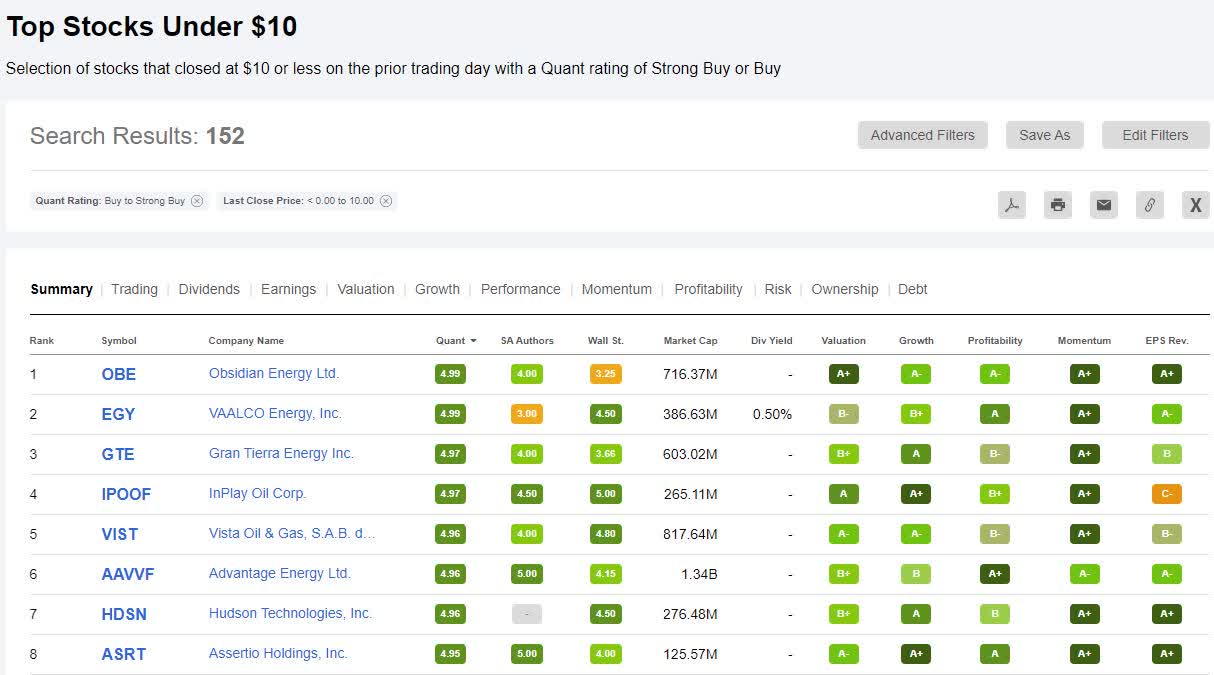
The subculture surrounding low-priced stocks is a weird, beautiful, and occasionally toxic swamp. On one side, you have the boomer-stalgia crowd reminiscing about the days when you could buy a decent stock for the price of a movie ticket. On the other, you have Gen Z data-miners using Python scripts to screen for stocks under $10, treating the market like a thrift store where they’re hunting for vintage Levi’s. The dynamic is fascinating because it weaponizes FOMO against the fear of being scammed. You see videos with titles like "3 STOCKS UNDER $5 THAT WILL MAKE YOU RICH" (they won’t) followed by disclaimer text that moves faster than a Formula 1 race.
Social media has turned investing into a spectator sport, but the "cheap" niche is uniquely performative. There’s a distinct flex culture around buying 100 shares of a $12 company versus 5 shares of a $300 one. It feels more accessible, more "of the people." But this is where it gets toxic: the algorithm rewards extreme claims. The constant doom-scrolling of stock charts creates a dopamine loop akin to gambling, and the comments section is always full of people screaming "bagholder" at anyone who dares to suggest a stock might dip. It’s a digital colosseum where your portfolio is the gladiator, and the memes are the lions.
Navigating the Low-Price Minefield: Your Actionable Sanity Guide
Alright, let’s get pragmatic. You want in on the "cheap stock" action without having to sell a kidney to pay for a therapy bill. First, kill the notion that a low price equals a discount. A $5 stock is not "on sale" relative to a $100 stock. Market cap is the only metric that matters for value—how much the entire company is worth. Look for companies with a market cap that fits your risk profile. Small caps can rocket, but they can also crash to zero faster than a viral influencer cancels their problematic ex. Your goal here is capital preservation with a side of growth, not a lottery ticket.

Second, you need to triple-check the fundamentals. Ignore the Reddit hype about the "short squeeze" potential. Instead, look for companies with low debt, consistent free cash flow, and a product or service that people can’t stop using. Think of boring industries: waste management, regional banks, or consumer staples. These aren't glamorous, but they are the water in the desert of economic instability. A stock like Kraft Heinz (KHC) might not get you a yacht, but it will pay you a dividend while you wait for the world to burn. It’s the financial equivalent of a weighted blanket.
Third, embrace the beauty of DCA (Dollar-Cost Averaging). Set an automatic transfer to buy a fixed dollar amount every single week, regardless of the price. This removes the emotional volatility from the equation. You stop trying to "time the dip" and start treating the stock market like a monthly subscription to your future. This is the ultimate hack for sanity; it turns investing from a chaotic, adrenaline-fueled hobby into a boring, effective routine, akin to brushing your teeth. You don't get excited about brushing your teeth, but you’re glad you did it when you don’t need a root canal.
Finally, diversify like your Wi-Fi password depends on it. Don’t put 50% of your portfolio into one "undervalued gem" you found on a TikTok live. Instead, spread your risk across multiple sectors. If you’re looking for inexpensive entry points, consider ETFs like Vanguard Total Stock Market (VTI)—it’s not super cheap per share, but fractional shares make it accessible. Or look at an S&P 500 index fund. These are the "everything bagels" of investing; they have a little bit of everything, and they’re generally stable. The goal is to be the tortoise, not the hare, especially when the overall vibe of the economy is that of a soap opera.

And for the love of all that is holy, do not check your portfolio every five minutes. That behavior is a direct pipeline to anxiety and poor decision-making. Set a monthly reminder to review your holdings, ignore the daily noise, and only adjust your strategy if your life circumstances change, not because a meme told you so. Your future self will thank you for your emotional fortitude and your un-invested therapy budget.
Frequently Asked Questions (Because The Internet Is Confused)
1. Isn't a cheaper stock riskier than an expensive one?
This is the most widespread myth on the internet, perpetuated by people who think stock price is a value indicator. The reality is that risk is tied to volatility, company solvency, and sector dynamics—not the nominal price per share. A $2 stock from a cash-rich, debt-free utility company is infinitely safer than a $200 stock from a pre-revenue biotech startup that’s burning cash like a Kardashian at a candle store. The price per share is just a unit of measure; it’s like saying a 2-liter bottle of soda is cheaper than a 1-liter bottle just because the number is bigger. It’s nonsensical.
High-priced stocks like Amazon or Google have high prices because they’ve split their shares less often, not because they're inherently safer. A low-priced stock can be a massive, stable conglomerate that just issued a new share class (like Alphabet does with GOOG vs. GOOGL). The risk factor comes from the company's balance sheet, its competitive moat, and the management team. Always screen for the P/E ratio and debt-to-equity ratio, not the ticker price. If you’re still worried, stick to blue-chip companies that happen to be in a temporary slump—that’s a "cheap" stock that offers actual value, not just a cheap price tag.

2. Can I actually get rich from inexpensive stocks?
The brutal, honest answer? Probably not in the way the YouTubers are promising. Getting "rich" quickly from a $5 stock requires you to buy a gem that turns into a $50 stock. This happens, but it’s rare, and for every stock that does that, there are ten that go bankrupt and you lose your entire $5 investment. The real "wealth" from inexpensive stocks comes from compound interest and dividend reinvestment. If you buy a $10 stock that pays a 5% dividend, and you reinvest that dividend to buy more shares, your growth becomes exponential over a decade. That’s how you build wealth—slowly, boringly, and steadily.
However, the internet’s obsession with "getting rich" is a trap. The goal should be wealth accumulation, not a lottery win. If you invest $1,000 in a stock that appreciates 10% a year, you make $100. That’s a nice dinner, not a Lamborghini. But if you do that consistently for 20 years, the math starts to look like a different story. The secret ingredient isn't the stock; it’s time and consistency. The meme stocks that created millionaires in 2021 were statistical anomalies that will likely never repeat with the same ferocity. Focus on the long game, and you’ll win the war even if you lose a few battles.
3. Are dividend stocks better than growth stocks in a downturn?
This is a classic internet arena debate, and the answer is "it depends" (which is the most unhelpful, yet accurate, answer). Dividend stocks are generally defensive; they provide income even when the price is stagnant. Think of them as a salary for your capital. During a recession or a bear market, dividends offer a psychological anchor—"Okay, the stock is down 15%, but I just got paid 3% to hold it." That’s a powerful narrative that helps you avoid panic-selling. Growth stocks, on the other hand, rely on future earnings, which get discounted heavily when interest rates are high or when fear grips the market. During a downturn, growth stocks can bleed out heavily because investors are fleeing to safety.
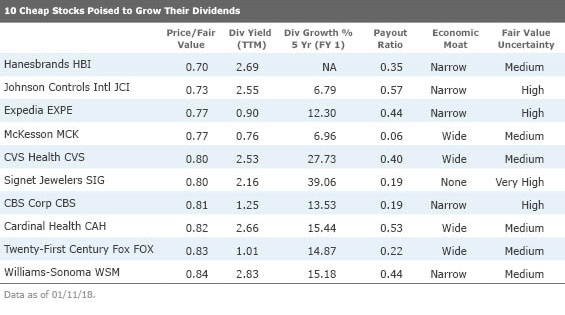
For an inexpensive portfolio, the ideal strategy is a barbell. Put a chunk in stable, high-yield dividend payers (like Realty Income or AT&T) to keep the lights on, and a smaller chunk in higher-risk growth names that are cheap but have massive upside potential. This way, you get a steady drip of income to cover your emotional needs and the chance for capital appreciation to hit the jackpot. But don’t chase yield alone—a stock yielding 10% usually does so because the market thinks the dividend is about to be cut. Look for a payout ratio under 70% and a history of increasing dividends. That’s the gray area where smart money lives.
So, is the "inexpensive stock" trend a flash in the pan? No. It’s a symptom of a generation realizing that the old rules of capitalism aren't going to save them. The culture of financial independence has been democratized, and the internet has made it visible that you don't need a finance degree to understand the basics. The obsession with cheap stocks is a permanent cultural shift because it’s rooted in economic survival, not just a viral aesthetic. We’ve seen too much volatility to go back to blind faith in expensive tech stocks alone.
In the end, the best inexpensive stock to invest in is the one you understand, the one you can hold without stress, and the one that aligns with your lifestyle. Treating the market like a fast-fashion haul is a recipe for disaster. Instead, treat it like a curated thrift store visit: look for quality in the fabric, check the stitching, and ignore the brand labels. Your wallet (and your therapist) will be much happier for it. Now, go buy an index fund and log off—your feed will still be here when you get back.