
Best Grass Seed For Sandy Soil In Nc
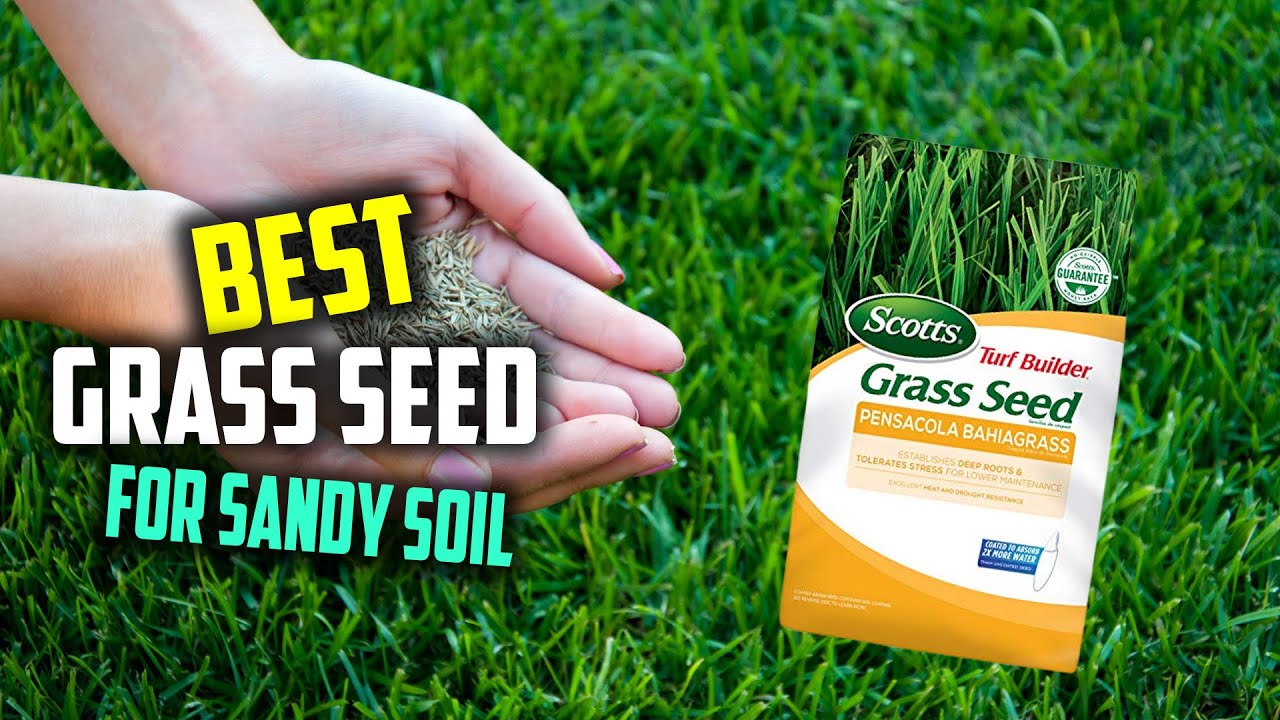
Picture this: you’ve just planted a fresh batch of grass seed in your North Carolina yard, only to watch it wash away with the next rainstorm. Sandy soil is a sneaky beast—it drains fast, holds few nutrients, and bakes like a beach towel in July. But here’s the good news: with the right grass seed, you can turn that sandy patch into a lush, green envy of the neighborhood.
Why Sandy Soil Is a Special Challenge
Sandy soil feels great between your toes, but it’s terrible at holding water or food for roots. Water slips through like it’s in a hurry, and nutrients wash away before grass can sip them. That means you need grass varieties bred for drought tolerance and deep root systems.
The bonus? Sandy soil warms up faster in spring, so your grass sprouts earlier than on heavy clay. Plus, it’s easy to work with—no pickaxes needed.
Must Read
The All-Star Grasses for NC Sand
For sunny, dry spots, Bermudagrass is the undisputed champion. It laughs at heat, spreads fast, and its roots plunge deep to hunt for moisture. Just know it goes dormant (turns brown) in winter—unless you overseed with ryegrass for year-round green.
Zoysiagrass is another tough cookie, especially the finer-bladed cultivars like ‘Zeon’ or ‘Emerald’. It tolerates salt, which matters if you live near the coast, and it handles light shade better than Bermuda.

For cooler, shady sandy areas, Tall Fescue is your friend. It has a thick, clumping habit that holds soil in place, and its roots reach deep. Choose a heat-tolerant variety like ‘Falcon IV’ or ‘Turf Type Tall Fescue’ mixes.
Don’t Skip the Prep Work
Before you toss seed down, mix in organic matter like compost or aged manure. This is like giving your sand a sponge—it helps hold water and nutrients right where roots need them. A 2-inch layer tilled into the top 6 inches of soil works wonders.
Also, test your soil pH. NC sands often run acidic, and grass prefers a pH between 6.0 and 7.0. A simple lime application can fix that—your grass will thank you with vigorous growth.

Planting Secrets for Success
Timing is everything. For warm-season grasses like Bermuda and Zoysia, plant from April to August when soil temps hit 65°F or higher. For tall fescue, aim for late August to early October—the cooler nights help germination.
After seeding, roll the area to press seeds into the sand—this prevents them from blowing away. Then, water lightly twice a day until sprouts appear. Once established, water deeply but less often to encourage deep roots.
Maintenance Made Simple
Sandy soil loves a steady diet of fertilizer, but go slow and steady. Use a slow-release nitrogen formula every 6-8 weeks during the growing season. Avoid heavy doses that wash through before roots can grab them.
Mow high! Keep Bermuda at 1-1.5 inches, Zoysia at 1-2 inches, and tall fescue at 3-4 inches. Taller grass shades the soil, reducing evaporation and keeping sand cooler.
“The secret to a great lawn on sand isn’t just the seed—it’s building soil that behaves like a sponge.” — NC State Turfgrass Specialist
Bonus: Off-Season Care
In autumn, overseed Bermuda or Zoysia with annual ryegrass for a green winter lawn. But in spring, you’ll need to let the sun hit bare soil to wake up the warm-season grass—scalp the ryegrass low in March.

For tall fescue lawns, fall is the prime renovation time. Aerate the sand (it’s easy), overseed, and add a thin layer of compost. By spring, you’ll have a dense, happy turf that shrugs off NC’s summer heat.
Your Sandy Soil Victory Plan
Stop fighting your sand and start working with it. Pick a grass from the list above, fix your soil’s organic matter, and water smartly. Within one season, you’ll go from dusty patch to picture-perfect lawn.
So grab your seed spreader, crank up the music, and give it a shot. Your neighbors will be asking for your secret—just smile and say, “It’s all about picking the right grass for the sand.”
![5 Best Grass Seed For Sandy Soil [2026] | Grass Cure](https://grasscure.com/wp-content/uploads/2023/10/Best-Perennial-Ryegrass-Seed.jpg)
![5 Best Grass Seed For Sandy Soil [2026] | Grass Cure](https://grasscure.com/wp-content/uploads/2025/06/Best-Grass-Seed-for-Sandy-Soil.jpg)

![5 Best Grass Seed For Sandy Soil [2026] | Grass Cure](https://grasscure.com/wp-content/uploads/2023/10/Best-Tall-Fescue-Grass-Seed.jpg)