Best Female Sexual Positions

The conversation around female sexual positions has been a taboo for centuries, with its roots tracing back to ancient civilizations where sexuality was often associated with spirituality and fertility. It wasn't until the 1960s, with the onset of the sexual revolution, that discussions around sexuality began to emerge from the shadows, leading to a more open and accepting dialogue about sexual preferences and positions. This era marked a significant turning point, as sexologists like Masters and Johnson began to study human sexuality, paving the way for future research and understanding.
Delving deeper into history, one can find that ancient texts such as the Kama Sutra, dating back to around 400 BCE, provided detailed descriptions of various sexual positions, indicating that the quest for sexual satisfaction and exploration has been a persistent aspect of human nature. These texts not only highlighted the importance of sexual intimacy but also emphasized the need for mutual pleasure and satisfaction, laying the foundation for modern discussions around female sexual positions. The evolution of these discussions has been marked by periods of both repression and liberation, reflecting societal attitudes towards sexuality.
The initial human necessity behind the exploration of sexual positions was not merely about pleasure but also about procreation and the survival of the species. However, as societies evolved and the concept of family planning emerged, the focus began to shift towards sexual pleasure as a significant aspect of relationships. This shift was particularly noted in the 20th century, as female empowerment and feminist movements brought to light the importance of women's sexual health and satisfaction, challenging traditional norms and paving the way for a more inclusive and equitable understanding of sexuality.
A Historical Perspective
The historical perspective on female sexual positions is replete with interesting, often bizarre, anecdotes and methods. For instance, in ancient Greece and Rome, sexuality was a significant part of the culture, with various art forms and literature depicting sexual acts. However, the roles of women in these societies were often limited, reflecting the patriarchal norms of the time. It wasn't until the Victorian era that sexuality became highly repressed, with open discussions about sex being considered taboo. This repression is a stark contrast to the openness of today, where sexuality is discussed more freely, thanks in part to key figures like Sigmund Freud, who introduced psychoanalysis and explored the human psyche and sexual desires.
Forgotten vintage facts about female sexual positions include the use of aphrodisiacs in ancient times to enhance sexual pleasure. These substances, derived from plants and animals, were believed to have magical properties that could stimulate sexual desire. Moreover, the Kama Sutra and other ancient texts provided not only sexual positions but also advice on how to maintain a healthy and fulfilling sexual relationship, indicating a holistic approach to sexuality that is still relevant today.

The treatment of sexuality in previous decades was often shrouded in mystery and misconception. For example, the 1950s saw a resurgence in conservative values, where sexuality was confined to the realm of marriage and procreation. However, this period also saw the beginning of a sexual awakening, with books like "The Feminine Mystique" by Betty Friedan challenging societal norms and encouraging women to explore their sexuality and independence. This marked a significant turning point in the evolution of female sexual positions, as women began to assert their rights to sexual pleasure and satisfaction.
The 1980s brought about another significant shift, with the rise of
Modern Perspectives
In today's fast-paced world, classic principles of female sexual positions are being modernized and hacked to cater to diverse preferences and lifestyles. The rise of sexual wellness technology has provided new tools and toys that can enhance sexual pleasure and exploration. Furthermore, online communities and forums have created safe spaces for individuals to discuss their sexual preferences and learn from others, democratizing access to sexual education and promoting a culture of openness and acceptance.
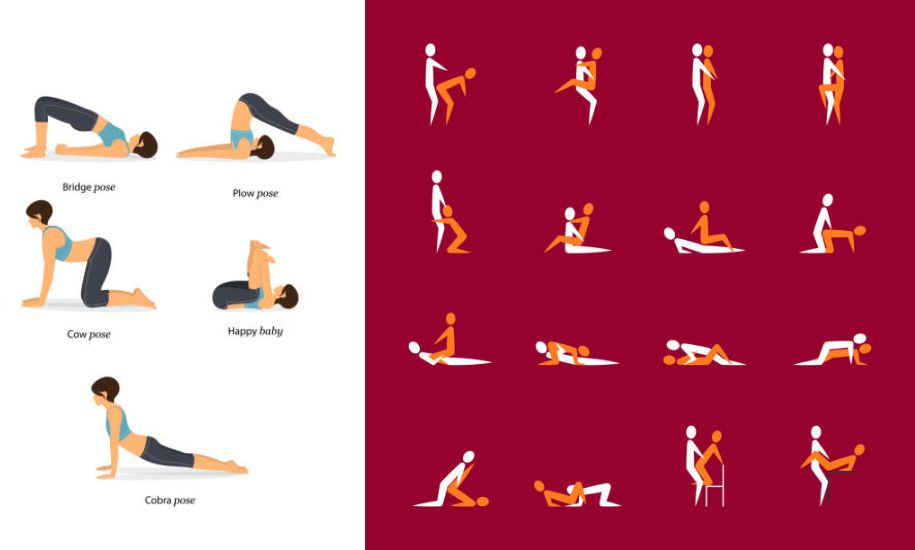
The modernization of female sexual positions also involves a shift towards more inclusive and equitable relationships. With the recognition of non-monogamous relationships, LGBTQ+ rights, and the importance of consent, the conversation around sexual positions has become more nuanced, emphasizing mutual respect, communication, and pleasure. This shift reflects a broader societal change, where relationships are viewed as partnerships rather than hierarchical structures, and sexual satisfaction is seen as a fundamental aspect of overall well-being.
Frequently Asked Questions
What are the most pleasurable female sexual positions?
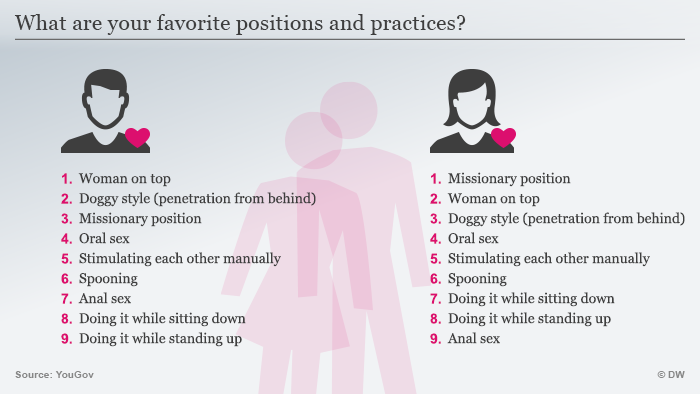
The question of the most pleasurable female sexual positions is complex and highly subjective, as individual preferences play a significant role in sexual satisfaction. Historically, positions that allow for clitoral stimulation have been highlighted as particularly pleasurable for women, such as the cowgirl position or positions that involve oral sex. However, modern perspectives emphasize the importance of communication and experimentation within relationships to find what works best for each individual. This approach acknowledges that sexual pleasure is deeply personal and can vary greatly from one person to another.
Moreover, the concept of pleasure is not just physical but also emotional and psychological. Emotional connection, trust, and intimacy can significantly enhance the sexual experience, making positions that facilitate eye contact, closeness, and bonding particularly enjoyable for many women. The evolution of understanding around female sexual positions highlights the importance of considering both physical and emotional aspects of sexuality to achieve fulfilling sexual experiences.

How have societal attitudes towards female sexuality evolved over time?
Societal attitudes towards female sexuality have undergone significant evolution, marked by periods of repression and liberation. From the ancient civilizations where female sexuality was sometimes associated with goddesses and fertility, to the Victorian era where sexuality was highly repressed, societal norms have influenced how female sexuality is perceived and expressed. The 20th century saw a considerable shift with feminist movements and sexological research challenging traditional views and advocating for women's sexual rights and empowerment.
Today, there is a greater recognition of the diversity of female sexual experiences and preferences, thanks to online platforms, sexual education, and advocacy for sexual health. Societal attitudes continue to evolve, with a growing emphasis on consent, sexual wellness, and inclusivity, reflecting a broader shift towards acknowledging and respecting individual sexual autonomy and expression. This evolution indicates a move towards a more open, accepting, and equitable society where female sexuality is valued and appreciated.
What does the future hold for the understanding and practice of female sexual positions?
The future of female sexual positions is likely to be shaped by technological advancements, societal shifts, and continued research into human sexuality. The rise of virtual and augmented reality technologies may offer new ways to explore and experience sexual pleasure, potentially revolutionizing how we think about and engage in sexual activities. Moreover, advancements in sexual health and wellness may lead to better understanding and treatment of sexual dysfunctions, enhancing overall sexual satisfaction and quality of life.

As society becomes more accepting and inclusive, there will be a greater diversity of sexual expressions and preferences, challenging traditional norms and encouraging a more personalized approach to sexuality. The integration of sex education into mainstream curriculum and the normalization of sexual discussions will also play a crucial role in shaping the future, promoting healthy sexual relationships and reducing stigma around sexual topics. This future promises a world where female sexual positions and pleasure are prioritized, contributing to more fulfilling and satisfying sexual experiences for all.
Reflecting on where this topic will take humanity in the next 20 years, it's clear that the journey of female sexual positions will continue to be marked by evolution and revolution. As we embark on this journey, we will see the continued integration of technology, education, and societal changes that prioritize consent, inclusivity, and sexual wellness. The future holds the promise of a more open and accepting world, where discussions around female sexual positions are not only normalized but also valued as an integral part of human sexuality and well-being.
The potential for growth and exploration in the realm of female sexual positions is vast and promising. With the rise of more inclusive and equitable societies, the conversation around sexuality will continue to expand, encompassing a broader range of experiences and preferences. This expansion will be facilitated by advancements in technology and education, providing individuals with the tools and knowledge necessary to explore and understand their sexuality in a safe, healthy, and fulfilling manner. As we look to the future, it's evident that the topic of female sexual positions will remain a vital and dynamic area of discussion, reflection, and exploration, contributing to a more sexually aware, accepting, and liberated humanity.