Best Dog Food For Shih Tzu Puppies

Let’s be honest: your Shih Tzu puppy is basically a tiny, hairy monarch who has graced your home with their presence. You are the loyal subject, the food taster, and the poop-scooper all rolled into one. And like any good royal subject, you’ve probably stood in the pet food aisle, staring at a wall of bags, feeling more confused than a goldfish in a round bowl.
You want the best, but the marketing jargon is enough to make your head spin. “Grain-free,” “holistic,” “human-grade,” “small breed” – it’s like trying to read a menu in a foreign language after a long flight. Fear not, because we’re going to break down this kibble chaos in a way that actually makes sense for your little fuzzy dictator.
The Tiny Tyrant’s Digestive System
First, you need to understand that a Shih Tzu puppy is not a Labrador in a tiny costume. They have a delicate, sensitive tummy and a mouth full of teeth that are smaller than popcorn kernels. They also have a stubborn streak that would make a mule jealous, especially when they decide today’s breakfast is offensive.
Must Read
These pups have a fast metabolism, but a tiny stomach. That means they need calorie-dense food that doesn’t require a trough to fill them up. Imagine trying to fuel a race car with a thimble; that’s the balancing act you’re attempting with their meals.
And let’s not forget the tearing-up phase. Shih Tzu puppies are notorious for turning their food into a crime scene, flinging kibble across the kitchen as if they’re throwing rice at a wedding. The right kibble size isn’t just a preference; it’s a matter of domestic peace.
Size Matters (And So Does The Kibble)
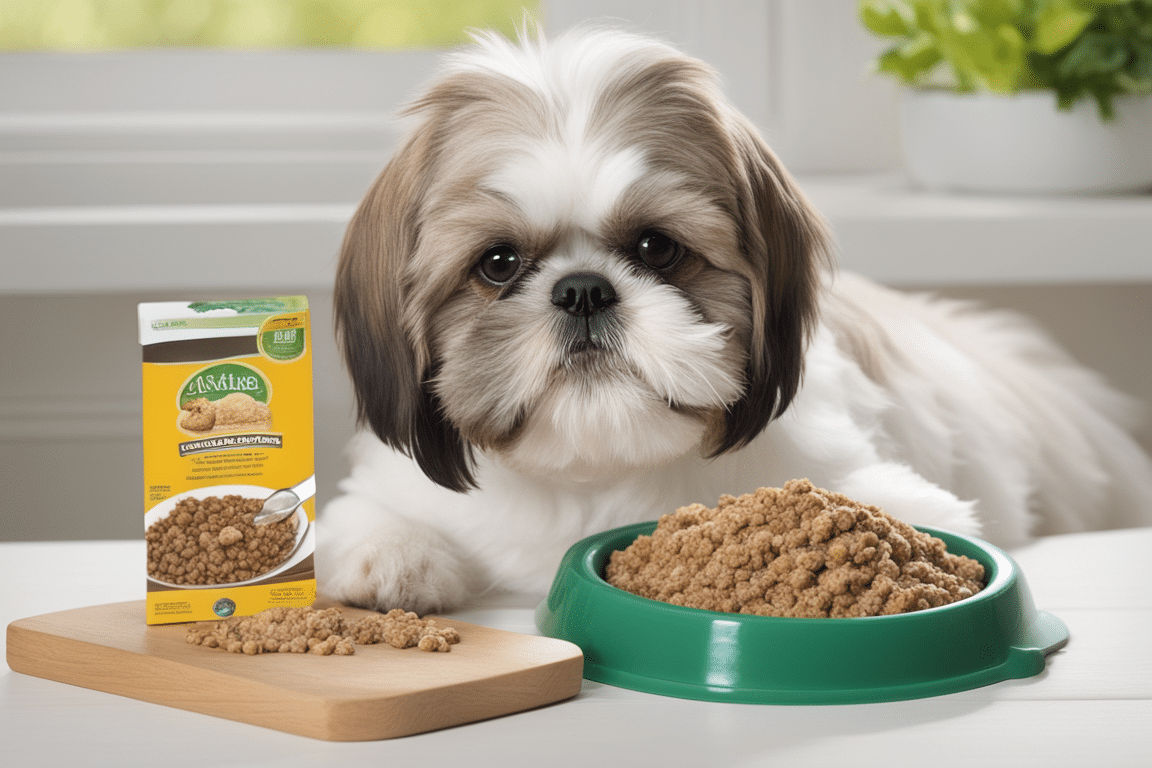
You want a bag of food that says “Small Breed” on the front, but don’t just grab the first one you see. The kibble pieces need to be small enough for their little jaws to crunch without effort. It’s like the difference between trying to bite into a whole apple versus getting sliced wedges – one is a chore, the other is a treat.
Look for food specifically formulated for puppies, not adult dogs. Growing bones, brain development, and that lion-like mane of fur all require extra protein and calcium. Think of it as the difference between giving a toddler milk versus espresso; one builds, the other destroys.
A great rule of thumb: the first ingredient should be a named protein like chicken, lamb, or salmon. If the first ingredient is “meat by-product meal” or “corn,” your pup is basically eating a biology textbook cover in disguise.

The “Royal Flush” Test (Protein and Fat)
Now, for the serious talk about poop. You will become an expert in your puppy’s stool within a week. It’s an undeniable part of the deal. A good puppy food will produce firm, easy-to-pick-up logs that don’t require a hazmat suit. Bad food produces… let’s just say “mudslides” that defy physics and gravity.
Protein should be around 28-32% for a growing pup. Fat should be around 15-20% to fuel that endless puppy energy that somehow dissipates right when you want to nap. If the fat is too low, you’ll get a grumpy, itchy baby.
Also, keep an eye out for Omega-3 fatty acids, usually from fish oil. This is what gives their coat that show-stopping shine. Without it, your puppy looks like a dusty mop instead of a plush toy.
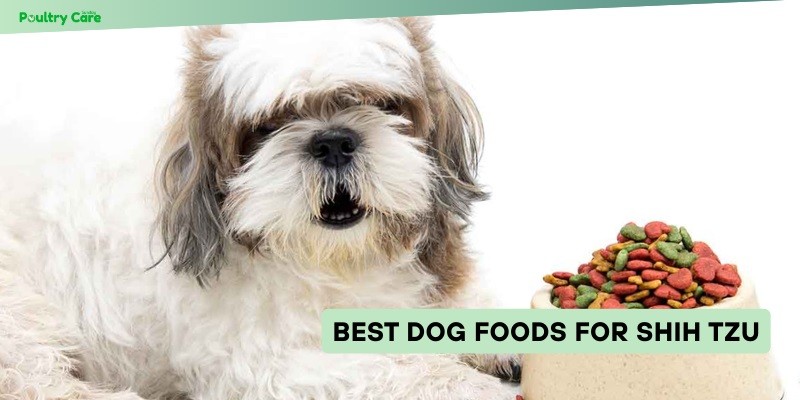
Wet vs. Dry: The Spa Treatment
Many owners swear by mixing a little wet food into the kibble. This isn’t just luxury; it’s a survival tactic. A Shih Tzu can be a picky eater, so a spoonful of wet food acts like a culinary peace treaty. It also adds moisture, which is great for their kidneys since some of these pups forget to drink water unless forced.
But don’t go full gourmet. If you feed only wet food, you’ll be scraping plaque off their teeth at the vet’s office later, and that bill is no joke. Use the wet food as a topper – a little nudge to get them to eat, not as the main event.
Think of dry kibble as the daily multivitamin that cleans their teeth, and the wet food as the dessert wine that makes the meal feel special. Balance is key.
Budgeting Your Royal Allowance
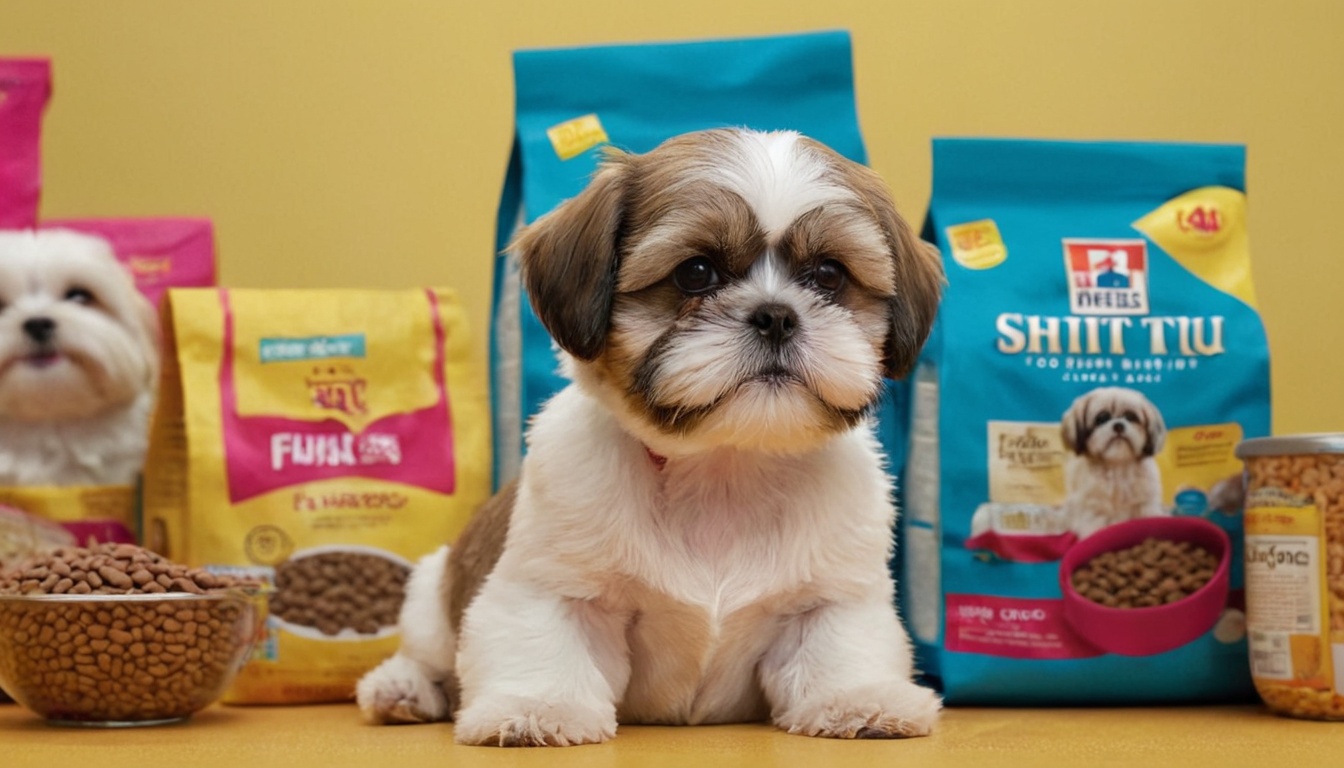
Here’s the kicker: you don’t have to sell a kidney to feed your Shih Tzu well. Brands like Royal Canin Shih Tzu Puppy or Hill’s Science Diet Small Breed Puppy are excellent, but they cost more than your own coffee habit. That’s fine if you’re rich. If you’re not, look for mid-tier brands like Purina Pro Plan or Wellness CORE – they have small breed formulas that are fantastic without the designer price tag.
Just read the label like you’re checking a contract. If you can’t pronounce half the ingredients, neither can your dog, and their stomach will revolt. Trust me on this one; I once bought a “bargain” bag and spent the weekend cleaning the carpet with a desperate look in my eyes.
In the end, the best dog food for your Shih Tzu puppy is the one that makes them happy at mealtime and keeps their tail wagging. You’ll know you’ve found “the one” when there’s less mess, more zoomies, and a sparkle in those big, bulging eyes. And if all else fails, remember that they’ll probably try to eat a sock anyway, so don’t stress too much over the kibble.