Bengali Vegetarian Recipes In Hindi

Let’s be honest—when you hear “Bengali food,” your brain probably flashes to a river of macher jhol (fish curry) and a plate that fights back. But here’s the secret no one tells you: Bengali vegetarians are the true wizards of the kitchen. They can turn a humble potato into a hero and make a bitter gourd taste like a guilty pleasure. If you think meatless cooking is boring, you haven’t met a Bengali ma with a pressure cooker and an attitude.
The Daily Grind (and Fry)
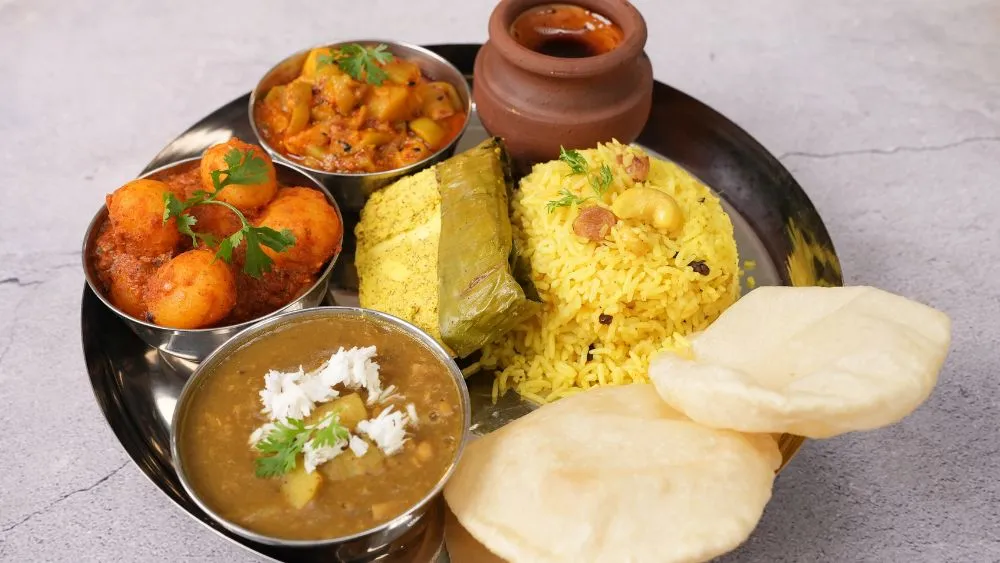
In every Bengali household, the day starts with the sound of a kadhai sizzling and someone muttering about the traffic. The real breakfast champion is luchi—those puffy, deep-fried discs of joy—paired with aloo dom, a spicy potato curry that could wake up a coma patient. I once watched my aunt make aloo dom, and she treated the potatoes like precious gems, scoring them with the precision of a surgeon. The result? A dish so comforting that you’ll forgive the oil stains on your favorite shirt.
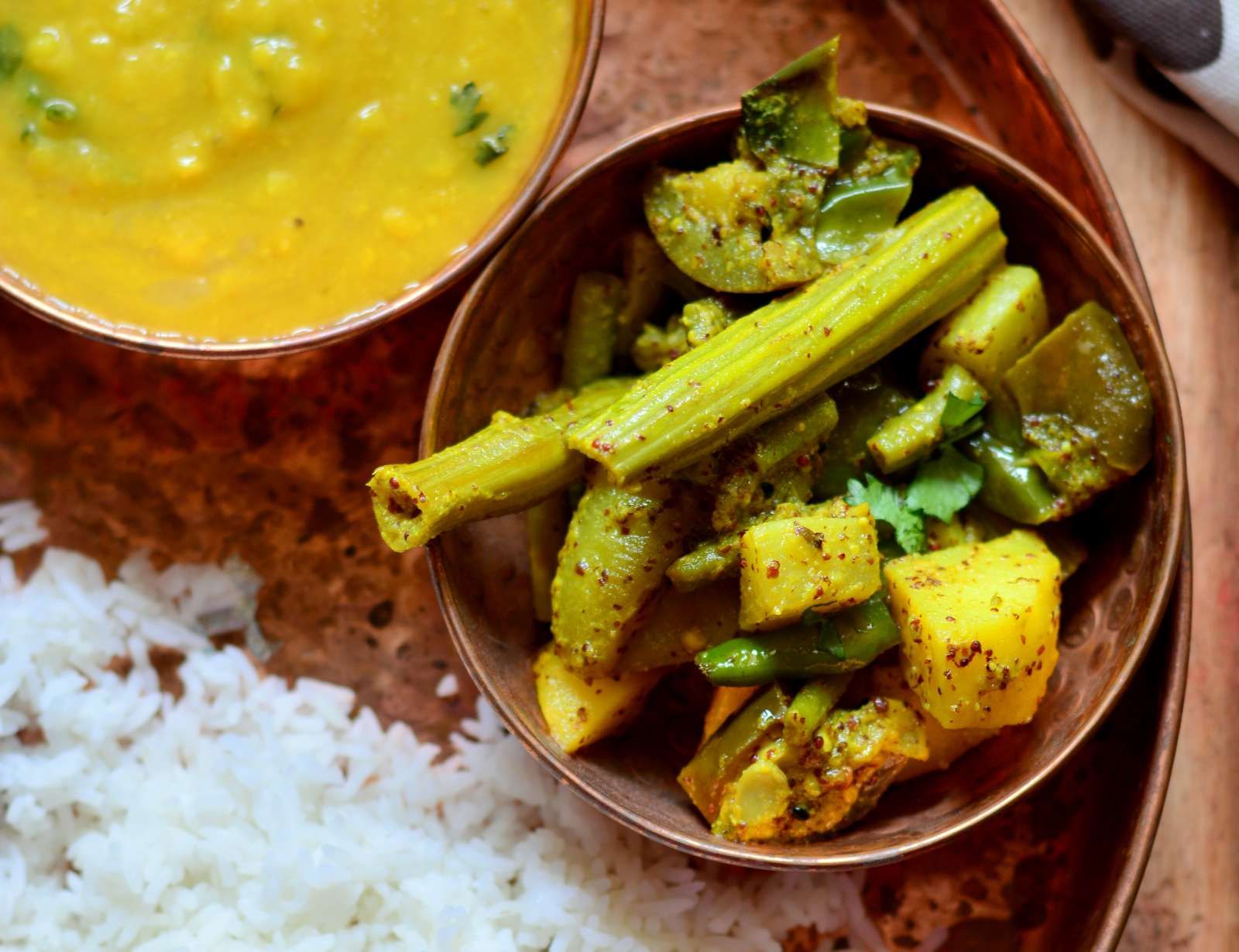
For lunch, the star is shukto, a mixed-vegetable medley that tastes like a bitter-sweet philosophy lecture. It’s the dish that every Bengali child dreads but every adult craves, probably because it reminds us of grandma’s scolding. You’ve got bitter gourd, drumsticks, and raw banana all swimming in a mustard-milk gravy. It’s like a vegetable potluck where no one asked to come, but everyone leaves happy.
Must Read
The Magic of "Chatu" and "Ghonto"
Now, let’s talk about chatu, the roasted gram flour that doubles as a saving grace for lazy evenings. Mix it with a little oil, salt, and chopped onions, and you have a snack that’s both humble and addictive. It’s the Indian equivalent of a bag of chips, but with more dignity and fewer artificial flavors. My neighbor once told me she could survive a zombie apocalypse if she had a jar of chatu and a lemon. I believe her.
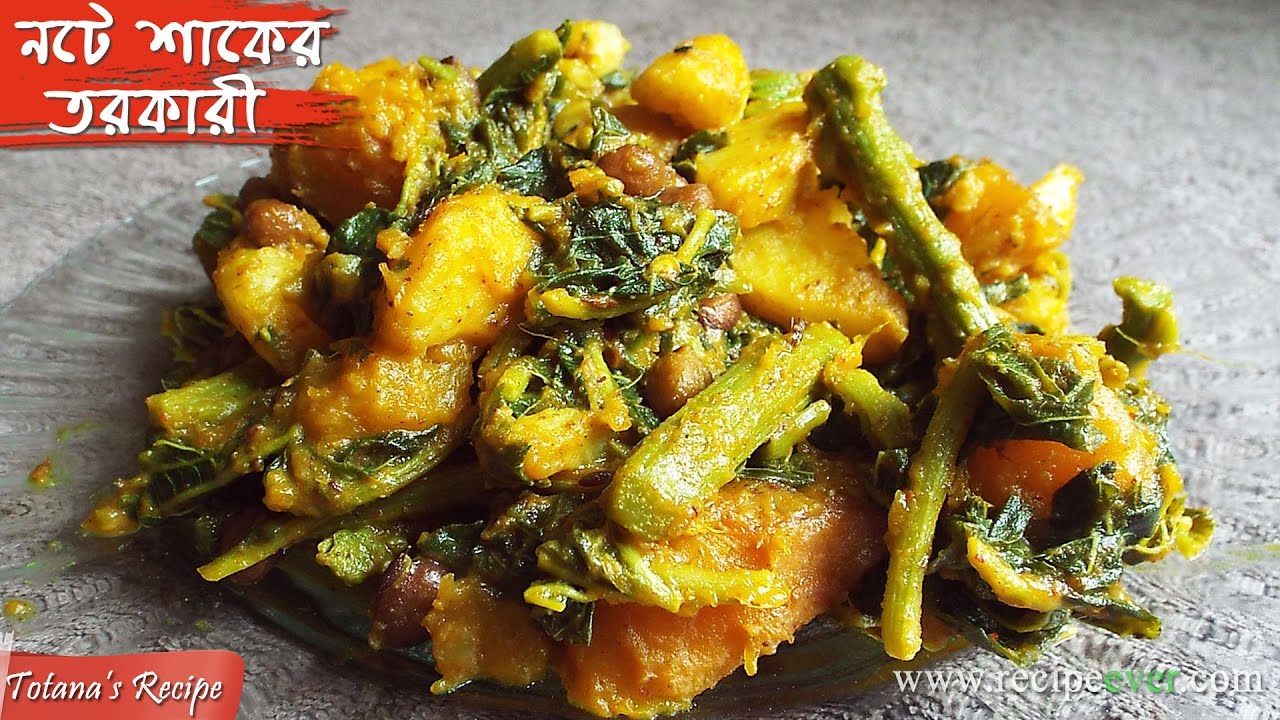
Then there’s ghonto, a stir-fry where vegetables get chopped into tiny, uniform pieces and cooked with a generous dose of ghee. Think of it as the OCD chef’s dream—each cube of potato, cauliflower, and green pea size-checked and behaved. The secret is in the panch phoron, a five-spice mix that pops in hot oil like tiny firecrackers of flavor. One bite, and you’ll wonder why you ever wasted money on takeout.

The Curry That Hugs You Back
If you’ve had a rough day, nothing heals like cholar dal, a sweet-and-spicy Bengal gram curry that’s thick enough to stand a spoon upright. It’s often paired with luchi again, because Bengalis believe in reusing good things, especially fried bread. The dal gets its kick from coconut, ginger, and a hint of sugar—yes, sugar. Don’t judge until you’ve tried it; it’s like a dessert that pretends to be dinner, and you’re the lucky guest.
Another lifesaver is potoler dolma, where pointy gourd boats are stuffed with a spiced paneer or nut mixture and simmered in a tomato gravy. It’s a labor of love, but the payoff is immense—like arranging a surprise party for your taste buds. You’ll feel like a culinary architect, and your family will eat it without asking, “What’s inside?” for once.
The Sidekicks You Didn’t Know You Needed
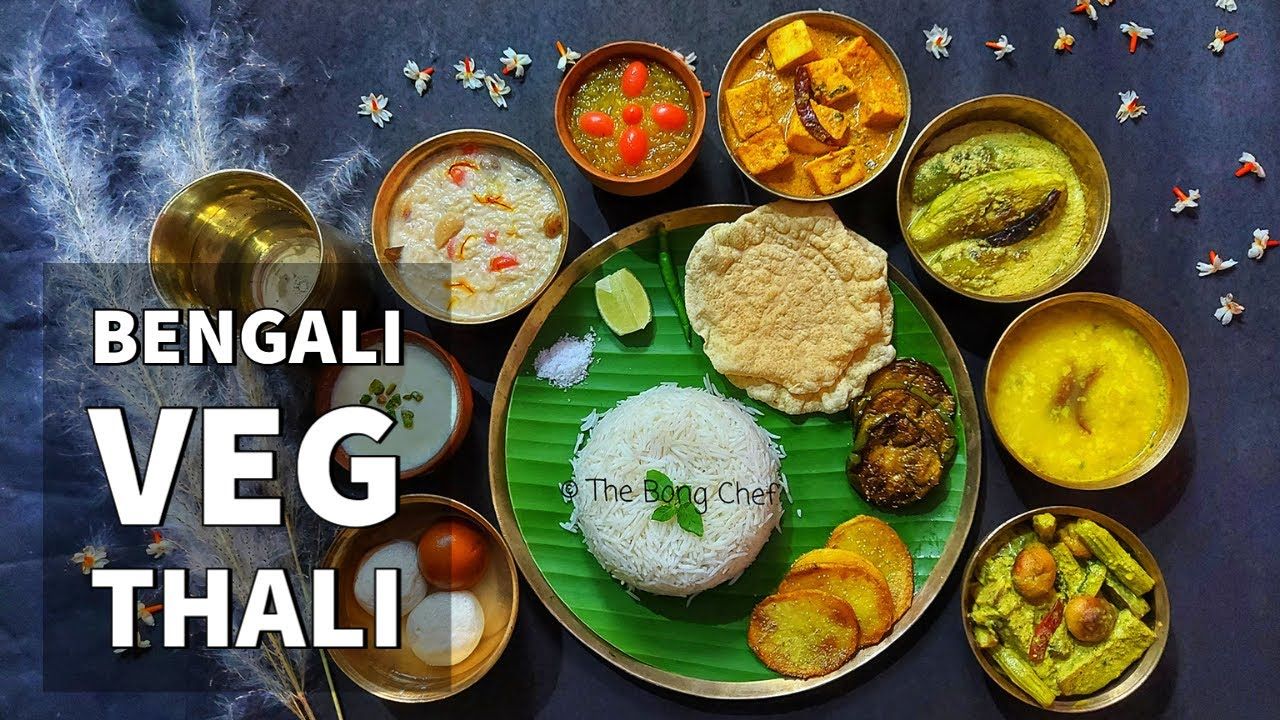
No Bengali meal is complete without bhaja—the crispy fried vegetables that appear on every plate like loyal sidekicks. Thin slices of eggplant, potato, or pointed gourd, dusted with turmeric and salt, then fried until golden. They’re the crunch that makes your teeth happy and your diet cry, but honestly, life’s too short to skip them. Pair them with kashundi, a sharp mustard sauce that clears your sinuses and your regrets.
And for dessert? Don’t you dare say “cake.” Bengali vegetarians finish with patishapta, a thin rice-flour crepe stuffed with coconut and jaggery. It’s like a sweet hug that whispers, “Yes, you can eat another one.” The first time I made it, the crepes tore like a bad breakup, but they tasted so good that tears of joy mixed with the filling.
Why You Should Dive In
Cooking Bengali vegetarian food isn’t just about recipes; it’s about embracing chaos with a smile. You’ll burn the mustard oil once, panic over the spice levels, and then realize that mistakes taste better than perfection when you add a pinch of humor. So grab some ghee, put on your comfiest pajamas, and let the kitchen get messy. Your future self—and your grateful stomach—will thank you.
Remember, every time you stir a pot of aloo dom, you’re not just cooking; you’re joining a legacy of stubborn, loving, and slightly oil-splattered Bengalis who believe a meal without at least three side dishes is a snack. So go on, try a shukto and make your ancestors proud—or at least make your neighbor ask for the recipe.