Are Randolph Sunglasses Worth It
Ever notice how some sunglasses just feel… different? You slip them on, and suddenly you’re not just shielding your eyes—you’re stepping into a role. That’s the magic Randolph Engineering has been bottling since 1973, when they started crafting aviators for U.S. military pilots. Today, celebrities, style editors, and everyday folks swear by them, sparking the question: are they actually worth the hefty price tag? Let’s dig in, because this isn’t just about UV rays—it’s about craftsmanship, heritage, and how a pair of shades can make you walk a little taller.
The Legacy Behind the Lenses
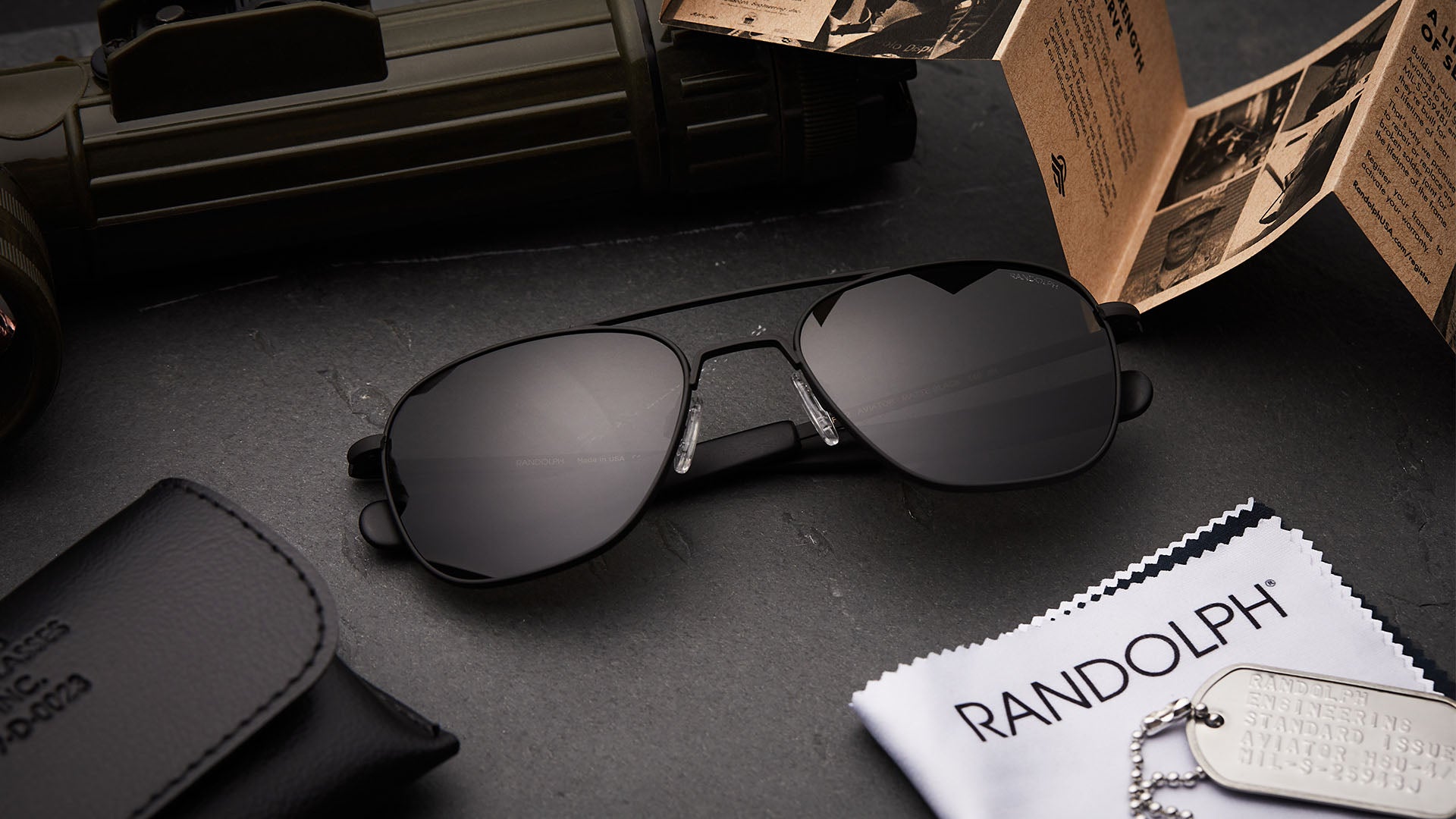
Randolph isn’t a fashion house that outsources to a factory. These glasses are still made in Randolph, Massachusetts, using the same 23-step, hand-assembled process they perfected for the U.S. Air Force. The P-3 Aviator model, for instance, remains the official eyewear for military flight crews—a badge of extreme durability and optical precision. When you buy a pair, you’re not just buying a product; you’re buying five decades of proven, no-nonsense engineering. That’s a story no fast-fashion brand can tell.
What You’re Actually Paying For
First, the materials are top-tier: premium 23k gold-plated frames, Italian acetate for the sunglasses versions, and tempered glass lenses that resist scratches like nothing else. Second, the optics are a game-changer. Randolph uses CR-39 or glass lenses with a base 6 curvature, which dramatically reduces distortion at the edges—your peripheral vision stays crystal clear. Third, every pair is tested for interaxial alignment and hinge tension, meaning the temples won’t loosen up after a season. Add in a lifetime warranty against manufacturing defects, and the value math starts looking very different from a $20 pair.
Must Read
“I’ve dropped my Randolphs on concrete, sat on them, and even left them in a hot car. They haven’t bent, scratched, or faded. My cheap sunglasses died from a stiff breeze.” — a very loyal, very real customer review.
Style That Never Yells, Always Whispers
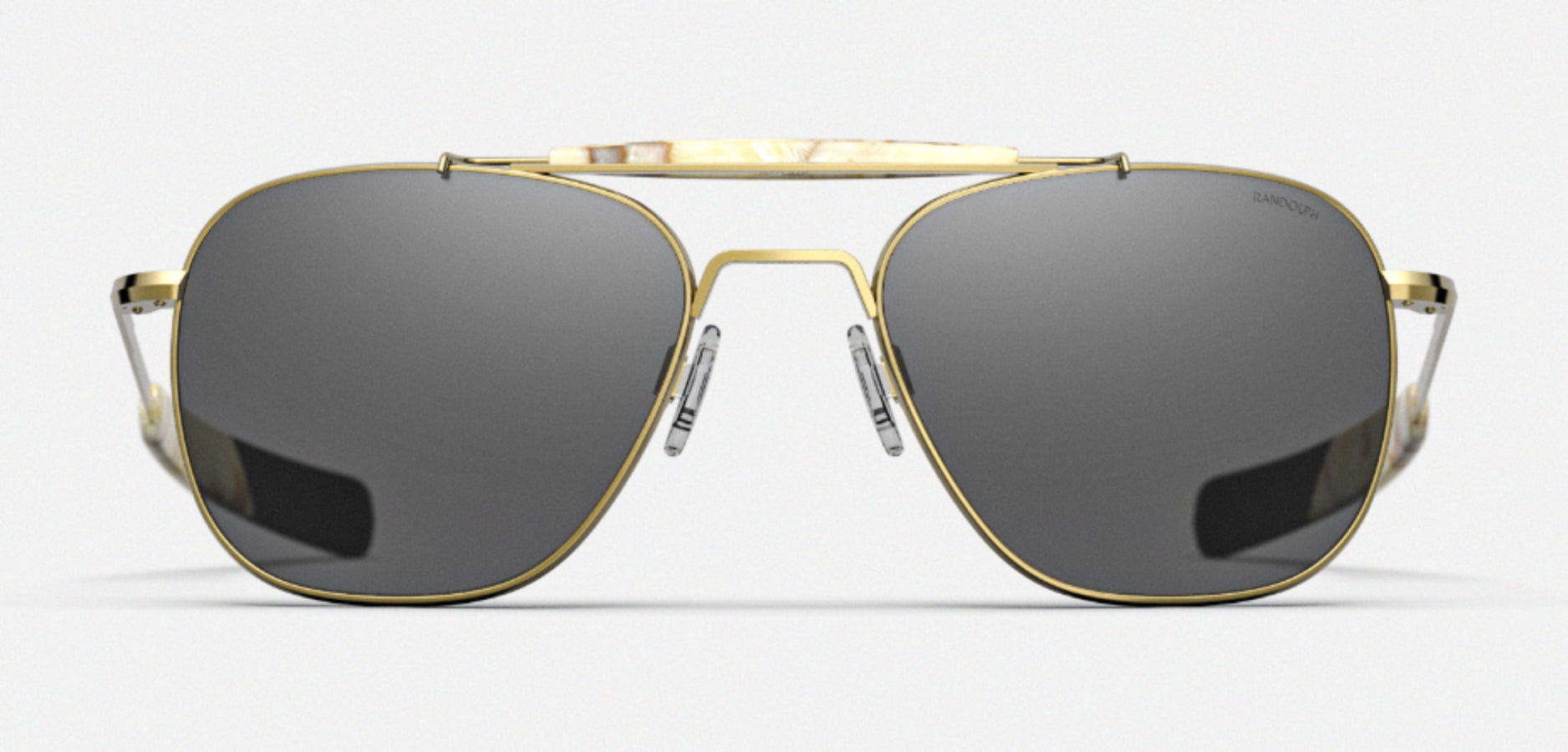
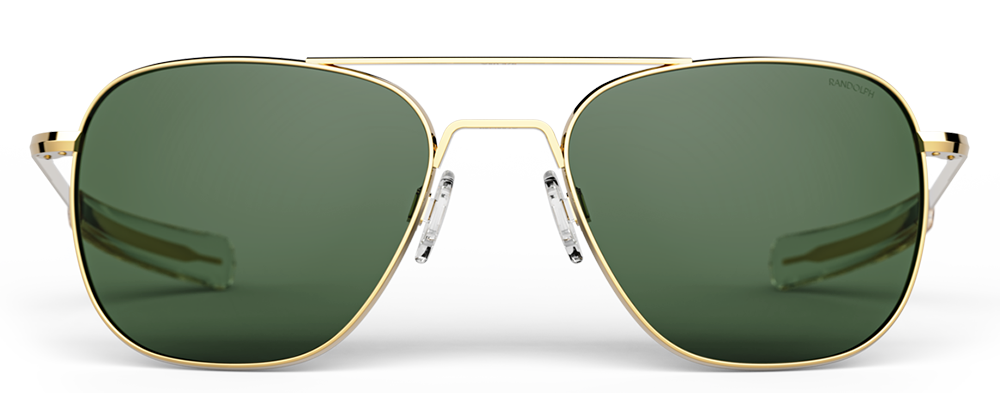
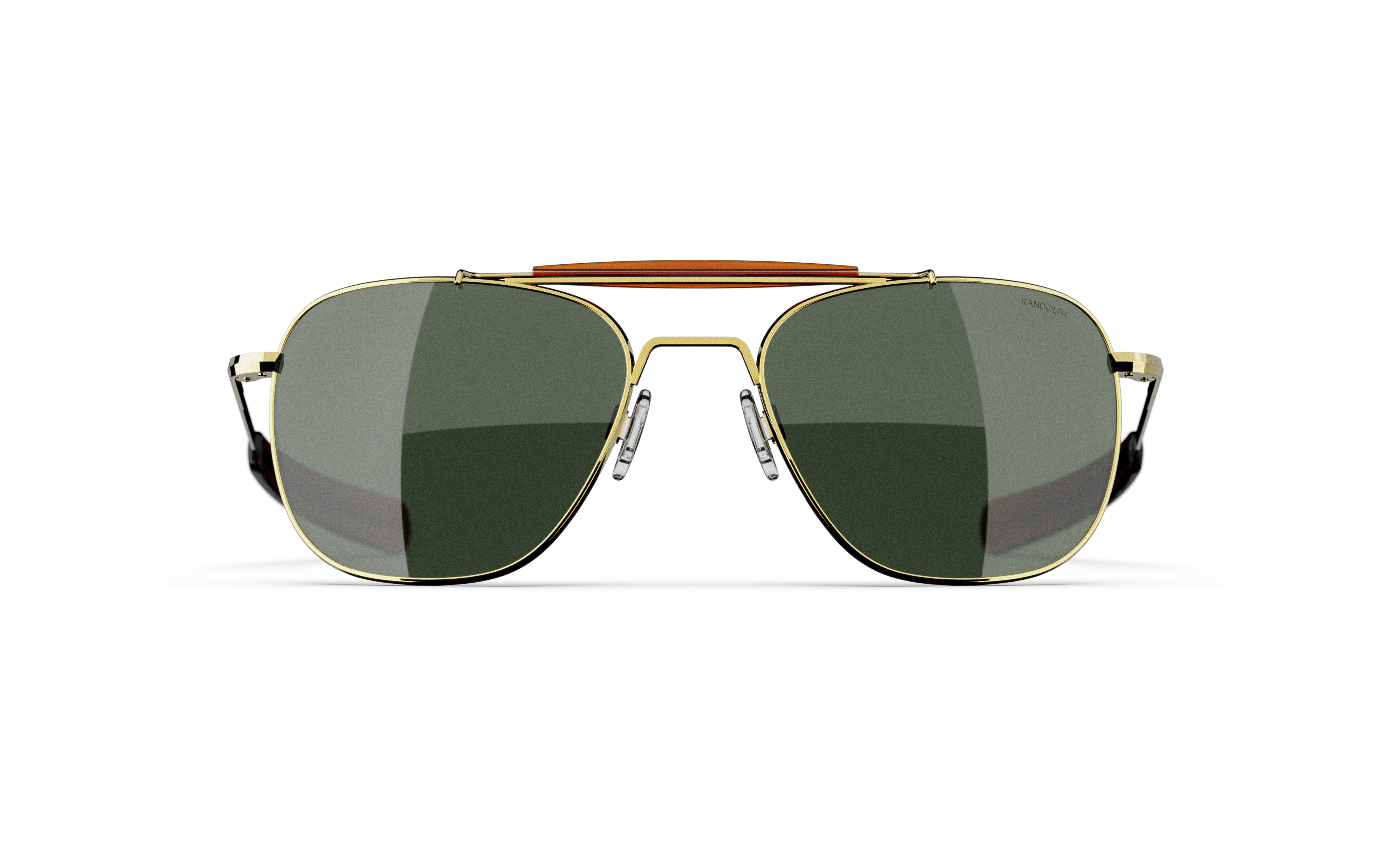
Randolph’s design language is quiet confidence. The aviator shape flatters almost every face, while the thinner frame profile sits closer to the skin, so they don’t look like two dinner plates stuck on your nose. You’ll see them on actors like Tom Cruise and Ryan Gosling, but also on your dentist and your bike mechanic. They’re versatile—equally at home on a coastal road trip, a boardroom zoom call, or a Sunday brunch. They come in classic gold, sleek matte black, and even funky polarized mirror finishes, so you can pick a vibe without screaming for attention.
The Real-World Test: Comfort & Durability
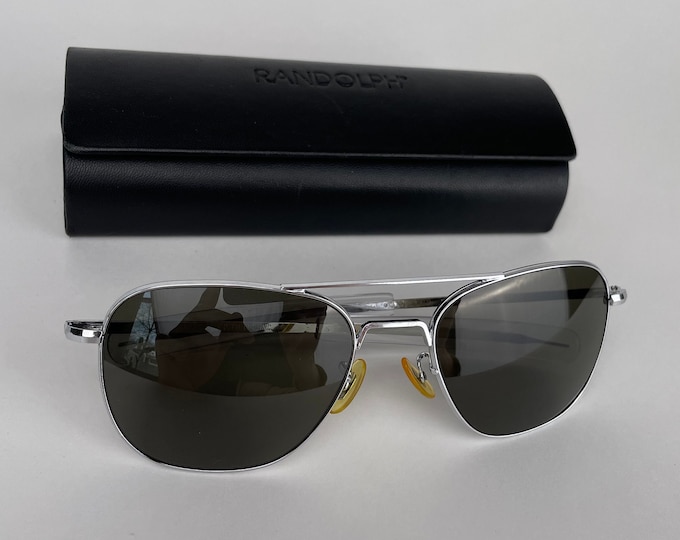
Wear them for eight hours and you’ll forget they’re there. The 5-barrel hinges and adjustable nose pads let you customize the fit, which is rare for a mass-market frame. The lenses are impact-resistant—not polycarbonate (which scratches easily), but a proprietary heat-tempered glass that’s remarkably tough. Rain, sweat, or accidental drops? No problem. They also come with a hard case and a microfibre pouch, so they survive the daily chaos of your handbag or glove compartment. The only “flaw” is that they are not ultra-light like plastic frames, but that weight actually signals substance.
But Is the Price Fair? Let’s Compare
At $180–$300, Randolph sits above Ray-Ban (a sister brand under the same parent company, B. Robinson Optical) but below luxury lines like Cazal or Matsuda. Unlike Ray-Ban’s mass-production, Randolph’s output is small and heavily inspected—each pair takes about an hour to assemble. You’re paying for hands, not robots. Also, consider resale value: vintage Randolfs easily sell for 70% of their original cost on secondhand sites. That’s not a “spend,” that’s an investment in an heirloom.
The One Guys That Might Skip Them
If you regularly lose your sunglasses at the beach, or you want a trendy, oversized shape that changes every season, look elsewhere. Randolph’s core styles are timeless, but they’re not loud. They won’t make you look edgy or avant-garde. Also, if you need prescription lenses, you’ll have to order from Randolph’s custom shop, which adds a week or two of waiting and a bit more cash. But if you value function, longevity, and a classic vibe that never goes out of style, these are a no-brainer.
Verdict: Worth Every Penny (If You Care)
Here’s the bottom line—Randolph sunglasses are absolutely worth it for anyone who treats eyewear as a long-term companion, not a disposable accessory. The build quality is unmatched at this price point, the optical clarity protects your eyes better than cheap lenses, and the style is so timeless that your future self will thank you. Sure, you could buy three pairs of fast-fashion shades for the same money, but they’ll bend, fade, and end up in a landfill in six months. A Randolph pair will still be your go-to for a decade—and it’ll look even cooler with a few stories on the frame. So go ahead, treat your eyes and your ego. You’re worth it.