Animals Threatened By Climate Change
There is a peculiar silence that settles over a room when we confront the reality of a species slipping away. It is not the silence of indifference, but the silence of a mind struggling to compute an unimaginable scale of loss. Our brains are wired for immediate, tangible threats—the rustle in the grass, the sudden chill of a storm—not for the slow, creeping unraveling of an entire ecosystem. This cognitive dissonance is where our deep-seated anxiety begins. We are witnessing a grief that has no single funeral, a mourning for a world we knew, yet are only now realizing we are losing. The psychological root of our reaction to climate-threatened animals is not just sadness; it is a profound sense of dislocation, a fracture in the narrative of a stable, predictable Earth that our minds have relied upon for millennia.
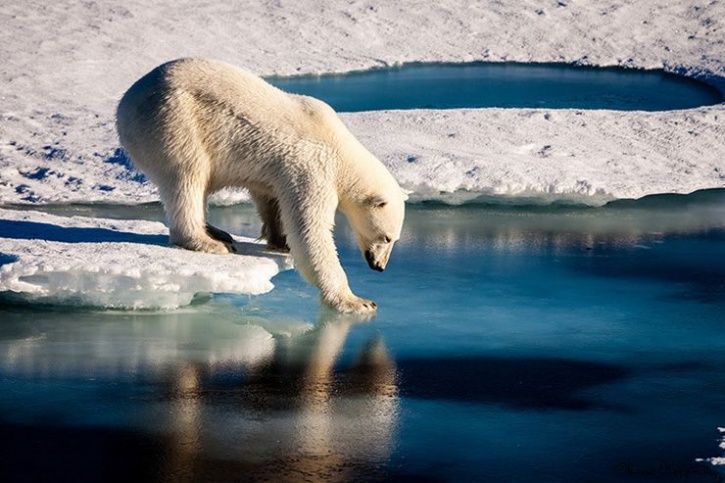
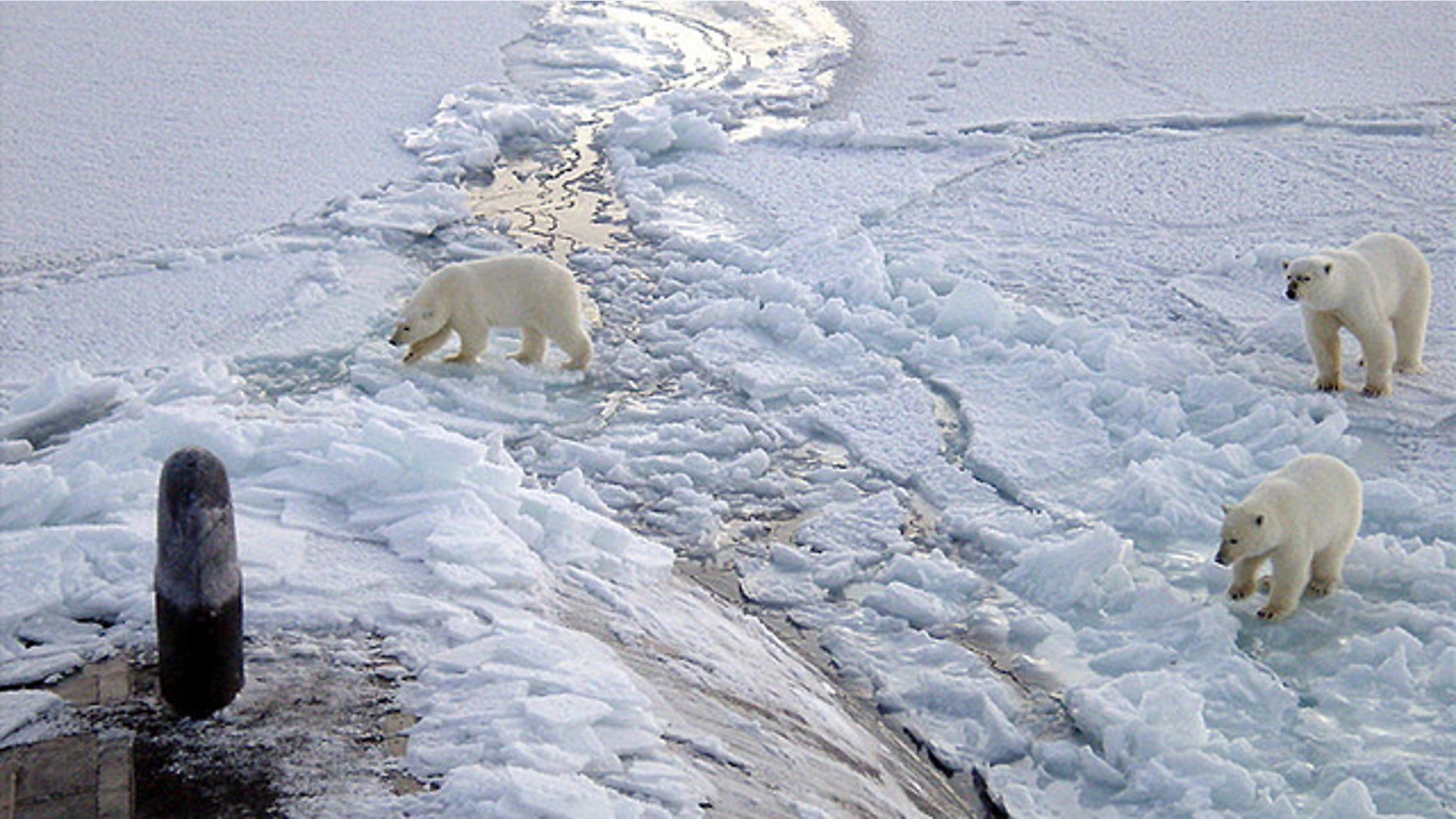
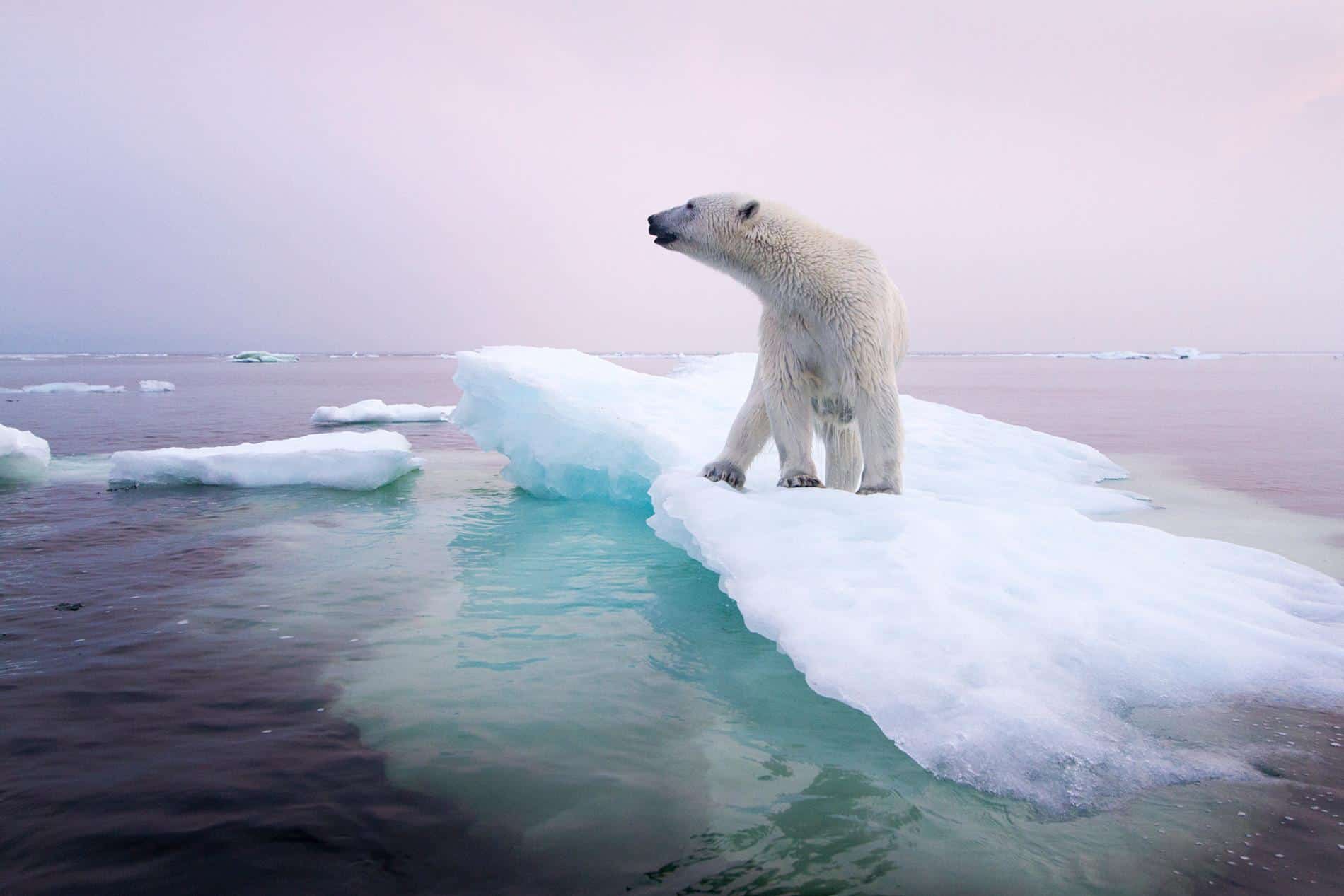
In our modern, hyper-connected era, we are bombarded with images of polar bears on shrinking ice floes and bleached coral reefs, yet these visuals often flicker past as background noise. This is the paradox of the digital age: we are more aware, yet less able to process. The sheer volume of information triggers a psychic numbing, a defense mechanism where our empathy depletes because the cognitive load is too heavy. But beneath that numbness lies a subterranean river of ecological grief. To engage with the plight of these animals is to engage with our own mortality and the legacy we are leaving. It forces us to ask uncomfortable questions about our place in the hierarchy of life, and whether our intelligence has become a curse rather than a gift. This article is an invitation to step into that discomfort, not to be consumed by it, but to find a more grounded, resilient way of being in a world that is changing profoundly.
The Psychology of Loss: Why We Look Away
Our tendency to avoid the subject of climate-threatened animals is rooted in a defense mechanism known as psychic numbing. In a study of human cognition, researchers found that our capacity for empathy decreases as the number of victims increases. When we hear about one animal suffering, we feel a pang of sorrow. When we hear about a million, a million more, our brains simply shut down. This is a survival mechanism to prevent us from being paralyzed by overwhelming grief. But the consequence is that we often fail to act. We scroll past the heartbreaking image of a starving penguin because to truly see it would require us to acknowledge our complicity in a system that created its suffering. This avoidance is not weakness; it is a primal attempt at self-preservation.
Must Read
There is also a cognitive bias called anchoring. We use the present state of the world as our baseline, assuming that the natural world we see today is the "normal" state. This makes the gradual decline of a species feel abstract. We don't notice the loss of a particular bird from our local park because we didn't know it was supposed to be there. This shifting baseline syndrome means we are constantly lowering our standards for what a healthy environment looks like. The emotional trigger here is nostalgia—but a false nostalgia. We long for a past we don't even remember, and we fail to grieve the present losses because we lack the historical memory to recognize them. This makes the grief feel unfocused, a vague sense of unease rather than a sharp, actionable pain.
Perhaps the most profound mental hurdle is the feeling of helplessness. When we see a majestic sea turtle entangled in plastic or a koala trapped in a blazing forest, the distance between us feels insurmountable. We sit in our living rooms, thousands of miles away, and feel a surge of powerlessness that curdles into cynicism. "What can I possibly do?" we ask. This question, while valid, becomes a trap. It moves us from a state of active empathy to passive despair. The brain, seeking to avoid the anxiety of inaction, rationalizes the situation by concluding that the problem is too big for the individual. And so, we detach. We focus on the minutiae of our daily lives to avoid the terrifying vastness of the ecological crisis unfolding before us.
Pathways to Resilience: Action as Antidote to Despair
The first step towards transforming ecological grief into personal growth is to allow yourself to feel it fully. Sit with the sadness. Write a letter to a species you fear you may lose. Share stories about animals you loved as a child. This is not morbid; it is a profound act of presence. Psychologists call this active mourning. By acknowledging the pain, you validate your deep connection to the natural world. This validation is crucial, as it counteracts the societal pressure to remain "positive." Toxic positivity is a form of denial. True resilience comes not from ignoring the dark, but from carrying a lantern through it. When you allow the grief to exist, it stops being a subconscious weight and becomes a conscious motivator for change.

Next, you must shrink the scope of your action to what is tangible and local. The global problem is an abstract mountain, but your community is a garden you can tend. Find a local conservation group working on habitat restoration for native pollinators, or a sanctuary caring for injured wildlife. Commit to a few hours a month. The physical act of planting native grasses, removing invasive species, or cleaning a waterway provides a tangible sense of efficacy. This is a powerful antidote to helplessness because you are directly countering the narrative of loss with an act of preservation. Your brain registers the positive feedback loop: you acted, the environment improved, and you felt a sense of purpose. This restores a sense of agency that is vital for mental well-being.
Adopt a practice of mindful observation. Go for a daily walk, but instead of listening to a podcast, listen to the birds. Learn to identify three species in your neighborhood. Watch their behaviors. (If you are in a city, watch the pigeons and the sparrows—they are survivors, and their tenacity is a lesson in resilience). This practice rewires your brain’s reward system. Instead of seeking dopamine from consumer products—a new phone, a fast-fashion item—you find it in the consistent presence of life around you. This shifts your mindset from one of extraction (what can I get from nature?) to one of relationship (what is my connection to nature?). This relational mindset is the bedrock of long-term psychological stability in an unstable climate.
Finally, cultivate a ritual of gratitude for the non-human world. Every evening, write down one thing you are grateful for that is alive other than a human. It could be the sound of rain that nourishes the soil, the lichen on a rock, or the spider in the corner of your window. This practice actively counteracts the narrative of doom. It forces your brain to scan for evidence of life, persistence, and beauty, rather than evidence of decay. Over time, this rewires your cognitive default from a state of anxiety about the future to a state of appreciation for the present. This is not naivety; it is a deliberate choice to find grounding in the vibrant web of life that still exists, fighting for every inch. This gratitude becomes a form of spiritual resilience that no climate report can take away from you.
Navigating the Emotional Terrain: FAQs
How do I cope with the overwhelming feeling of eco-anxiety when I read about animals going extinct?
The feeling is akin to a pressure cooker of dread. First, establish a media diet boundary. Do not consume doom-scrolling content for more than 15 minutes a day. When you do read, look for solutions-based journalism—stories about successful conservation efforts or species rebounds. This switches your brain from a state of "catastrophe" to "challenge." The challenge is solvable, the catastrophe is not. You must actively curate your information intake just as you would curate your diet for physical health.
Secondly, distinguish between concern and suffering. Concern is a healthy state that prompts action. Suffering is a state of paralysis where you absorb the pain of the world as if it were your own physical wound. You are not the ocean, and the ocean is not you. You are a part of it, but you are not responsible for it entirely. This is not about disconnecting, but about establishing a healthy boundary. When the anxiety spikes, place your hand on your heart, take a deep breath, and say to yourself, "I am here, I am safe, and I am doing what I can." This mindfulness technique brings you back from the abstract future to the present moment, where you are physically safe and can take one small, concrete step.
Is it wrong to feel empathy for animals while feeling bitter towards humanity for causing this?
This is a profoundly human conflict. It is essential to separate the system from the individual. The system of industrial capitalism, overconsumption, and extraction is a human invention, but it is not the whole of humanity. When you feel that bitterness, refocus your lens on the individuals who are working to solve the problem—the scientists, the volunteers, the indigenous communities protecting their lands. This action breaks the monolithic perception of "humanity as destroyer."
Cultivating this nuanced view is critical for your own compassion fatigue. If you believe all humans are inherently destructive, you will subconsciously include yourself in that hatred, which becomes self-destructive. The path forward is to hold two truths simultaneously: we are causing immense harm, and we are also capable of immense love and healing. Connect with human community through environmental activism. Surround yourself with people who share your empathy for animals. This collective action reinforces the narrative that humanity can be a force for restoration, which transforms your bitterness into a fierce, collaborative drive for change.
How can I explain the emotional impact of this crisis to friends who don't seem to care?
Stop trying to convince them with data. The facts are overwhelming, but they don't move the heart. Instead, share a story about an animal that moved you personally. Tell them about the intelligence of an octopus, the gentle nature of a manatee, or the ridiculous and charming dance of a bird of paradise. Evoke the emotion of wonder, not the emotion of fear. Once they are captivated by the wonder, they will be open to hearing about the threat.
Furthermore, you must understand that their disinterest is often a shield. They are likely just as scared as you are, but they have chosen to bury their heads in the sand. When you speak to them, do not judge their defense mechanism. Lead with curiosity. Ask them, "What do you love about the natural world?" This question is open-ended and non-threatening. When they speak, listen. When you find a connection to their love, you can gently introduce a fact. This is called motivational interviewing. It is about finding a shared value and building from there, rather than attacking their lack of concern, which only reinforces their resolve to block you out.
What are the mental health benefits of engaging with climate-threatened animals, rather than avoiding them?
There is a psychological concept called post-traumatic growth. It suggests that struggling with a highly challenging crisis can lead to positive change. By engaging with this crisis, you are forced to re-evaluate your priorities. You may find that you care less about material wealth and more about experiences in nature. This shift in values often leads to a deeper, more meaningful life, which is a core component of happiness. Avoiding the issue keeps you in a state of low-grade, undefined distress; confronting it provides clarity.
Engaging with these animals also provides a profound sense of biophilia—the innate human instinct to connect with nature. This connection has been shown to lower cortisol levels (the stress hormone), improve mood, and increase feelings of vitality. By allowing yourself to grieve for them, you are also allowing yourself to connect emotionally with the living world. This connection is a wellspring of resilience. It gives you a reason to get out of bed in the morning that is bigger than your own ego. It provides a sense of purpose and belonging to a larger story. This is the ultimate antidote to the existential loneliness of the modern age.

How do I build a "climate resilience" mindset for my daily life, and not just in my activism?
Start with your physical environment. Make your home a sanctuary for other species. Plant pollinator-friendly flowers in a pot on your balcony. Put out a water dish for birds during hot weather. Leave a corner of your garden wild. This is called micro-habitat restoration. It gives you daily proof that you are a host for life, not a consumer of it. This daily, tangible action builds a background state of competency and purpose that shields you from despair.
Next, practice adaptive flexibility. The climate crisis teaches us that nothing is permanent. Instead of fighting that impermanence, lean into it. Meditate on the idea of acceptance. This does not mean we don't fight for change; it means we accept that the outcome is uncertain. This acceptance reduces the anxiety of control. We can only control our own actions and our own responses. By focusing on that locus of control, we reduce our vulnerability to emotional whiplash from bad news. You train your mind to be like a tree in a storm—firmly rooted, but flexible enough to bend with the wind of new information, without breaking.
The journey through ecological grief is not a linear path to a "fixed" state of happiness. It is a spiral. We circle back to our grief, but each time, we are a little wiser, a little more grounded. Mastering this topic is about moving from a state of passive fear to a state of active, mindful love. It is about realizing that our mental well-being is inextricably linked to the well-being of the more-than-human world. When we work to save the polar bear, the coral reef, or the humble bumblebee, we are simultaneously saving a part of ourselves—the part that longs for wildness, for beauty, and for a future that is rich with life.
Ultimately, this engagement offers a pathway to a more balanced human experience. It forces us to slow down and observe the profound intelligence and resilience of other species, which humbles our own egos. It teaches us that we are part of an ancient, intricate web, and that our own survival is dependent on the health of the whole. By embracing the pain of this moment, we unlock a deeper capacity for empathy, not just for animals, but for our fellow humans who are also struggling. In tending to this grief, we cultivate a garden of resilience that will support us through the changes ahead, transforming our despair into a quiet, steadfast vigilance for all living things.