Adt Interview Questions And Answers
Let’s be honest: when you think of ADT, you don’t think of a job interview. You think of that slightly ominous blue octagonal sign in a suburban front yard, or perhaps a grainy commercial from the late 90s featuring a burglar being thwarted by a very loud siren. But behind that monolithic brand—a company that has been guarding homes since 1874—lies a surprisingly intricate hiring process. It’s a process that blends old-school security vetting with modern behavioral psychology, and navigating it is less about memorizing specs and more about proving you have the temperament of a sentinel. The stakes feel higher than your average retail gig; you aren’t just selling a product, you’re selling the concept of safety itself.
In an era where smart homes are hacked as easily as they are installed, ADT has pivoted from being just a "security company" to a "smart home integrator." This shift means their interview questions have evolved dramatically. They no longer just ask about your ability to upsell a motion sensor. They now want to know if you can explain a mesh network to a terrified grandmother, or if you can remain calm when a homeowner’s app shows a false alarm at 3 AM. This article decodes the modern ADT interview, providing a playbook that is equal parts practical and psychological. Prepare to understand the fine line between vigilance and paranoia—and how to walk it perfectly in front of a hiring manager.
The Psychology of Protection: What ADT Really Looks For
Here’s a dark little secret about the security industry: it runs on fear, but it hires on reassurance. ADT’s internal data and training philosophies suggest they are less interested in the "sales bro" archetype and more interested in the "protector" archetype. During the interview, they are acutely attuned to your ability to handle stress without becoming stressed. They will often throw a curveball—like a hypothetical scenario where a client’s camera fails during a reported break-in—just to see if your pupils dilate. If you panic in the interview, you will panic in the field. The psychological profile they seek is someone who treats high-stakes problems with the emotional detachment of a bomb disposal expert.
Must Read
Interestingly, the history of ADT offers a clue to their hiring ethos. The company started as a telegraph company that used a network of call boxes to alert police, effectively inventing the concept of central monitoring. This legacy of "remote vigilance" means they value process and protocol above all else. When interviewers ask about your "greatest weakness," they aren't looking for self-deprecating humor; they are looking for a confession that you struggle with impatience or rigidity. They want someone who can follow a lockstep procedure, but also know when to improvise. The worst answer you can give is one that suggests you are "too much of a maverick"—in security, mavericks get people hurt.
Culturally, ADT has absorbed the modern obsession with true crime. We are a society addicted to podcasts about home invasions, which ironically makes the ADT interview process feel more cinematic. Interviewers know that you, the candidate, are probably walking into the room with those images in your head. They use this to their advantage. They will ask you, "If you could design a security system for a suburban home, what’s the first vulnerability you’d address?" They don't want a technical answer. They want you to demonstrate that you see the house like a predator would—and then flip that perspective to see it like a guardian. This cognitive shift is the core of their culture.
Case Studies and Scenarios: The Walkthrough
Let’s move from theory to practice. The most common ADT interview format involves a mix of standard behavioral questions, technical troubleshooting, and high-pressure sales scenarios. A typical interview will start with the classic, "Tell me about yourself." But don't recite your resume chronologically. Instead, frame your history as a series of trust-building experiences. For example, if you were a bartender, emphasize how you handled a drunk patron—that’s de-escalation, which is security work. If you were a teacher, highlight how you conducted fire drills. ADT wants to see a thread of protective instinct woven through your past, regardless of the industry.
Next comes the scenario-based questioning. Imagine you are a technician, and you arrive at a client’s home to install a system, but the client constantly interrupts you, asking if you are armed or if you know about the "safe room" they’ve built in the basement. How do you respond? The correct answer isn't to laugh it off. The correct answer is to acknowledge their anxiety, validate it, and redirect their focus to the logical placement of sensors. This is called "emotional anchoring." ADT hires people who can be the calmest person in a room full of anxious people. They aren't just checking your technical proficiency; they are checking your emotional spine.

Another classic scenario involves the "East/West Coast" disconnect. They might ask, "A customer wants to buy a camera, but their Wi-Fi signal is weak in the backyard. What do you do?" A novice will say, "Sell them a Wi-Fi extender." A professional will say, "I would assess the physical landscape, consider a Powerline adapter, or suggest a professional mesh network installation, and I would explain the limitations of a wireless camera during a power outage." This answer shows you understand that security is only as good as its weakest link—which is usually human error. They want you to be a problem solver, not just a salesperson.
Finally, you will likely encounter a role-play where the interviewer pretends to be a skeptical husband who thinks security systems are "a waste of money." This is a test of your consultative selling skills. Do you get defensive? Do you quote statistics? No. You ask him questions. You say, "What keeps you up at night?" You shift the conversation from product features to personal peace of mind. The key takeaway here is that ADT doesn't sell hardware; they sell a feeling. Your job in the interview is to prove you can translate that feeling into a tangible purchase, all while maintaining a level of cool that suggests you've seen worse things happen in your own driveway.
Fielding the Rapid-Fire: Common Questions Decoded
To succeed, you need to know the specific phrasing they use to trip you up. For instance, when asked, "How do you handle a situation where you know a product is overpriced?"—this is a trap. ADT prices are premium, but the value is in the monitoring, not the hardware. You must answer by justifying the recurring monitoring fee as a subscription to vigilance, not a cost per device. You need to articulate that you are selling 24/7 human and digital vigilance, which is expensive and worth it.
Expect heavy emphasis on "multi-tasking." They will ask, "Describe a time you had to manage a customer complaint while simultaneously dealing with a technical malfunction." Use the STAR method (Situation, Task, Action, Result), but keep it dark. For example, "The Situation: A client was locked out of their home during a storm. The Task: Get them in safely without triggering the police response. The Action: I manually verified their ID, bypassed the signal, and guided them to a side door, all while updating dispatch. The Result: They cried with gratitude." This paints a picture of heroism under pressure.

They also love the "Costco effect" question: "Why do you want to work for ADT?" Do not mention the "perks" or the "brand recognition." Instead, talk about the "sacred duty" of protecting families. Talk about how you grew up in a home that was robbed, or you knew someone who was. Sharing a personal, slightly vulnerable story is crucial here. It humanizes you and proves that your interest isn't purely transactional. ADT hires people who are obsessed with the idea of being a deterrent to chaos.
Frequently Asked Questions: The Insider’s Corner
1. Does ADT perform a background check, and should I be worried about my credit score?
Yes, ADT conducts a comprehensive background check. This is non-negotiable, given the access you will have to people's homes and their security codes. This check typically includes criminal history, employment verification, and a drug test. However, the credit check is a more nuanced point. ADT does pull credit reports for certain roles, particularly those involving financial transactions or leadership positions. They aren't looking for a high score; they are looking for signs of extreme financial distress, which can be a vulnerability factor for bribery or theft.
If you have a low credit score, do not hide it. When asked, address it head-on. Say, "I've had some medical issues that impacted my credit, but I've taken steps A, B, and C to rectify it." Honesty is paramount. Lying about a previous job or a criminal record is an automatic disqualifier. They will find out. The best strategy is to be transparent from the get-go. They are less concerned with the mistake you made ten years ago and more concerned with whether you have the integrity to admit it in the interview room.
2. What is the dress code for an ADT interview?
Unless you are applying for a technician role, where you might be asked to do a ride-along, the standard is business professional for the interview itself. This means a suit or a blazer for men, and a pant suit or conservative dress for women. However, there is a cultural "twist" here. ADT is a field-based company, and they value approachability. Wearing a stiff, three-piece suit might actually create distance. The real "pro" move is to wear business attire that is practical and unpretentious—think good leather shoes, but not flashy jewelry.
If you are interviewing for a field technician position, wear clean khakis and a collared shirt. Do not wear jeans or sneakers. The interviewer needs to see that you understand the nature of the work—which is walking through dusty attics and crawling into tight crawl spaces. A candidate who shows up in a tuxedo looks like they don't understand the job. A candidate who shows up in a clean, pressed polo and work boots looks ready to solve a problem. Match your attire to the environment you're entering.

3. How technical are the questions related to smart home technology?
This depends entirely on the role. For sales representatives, the questions are less about the "how" and more about the "why." You need to be able to explain what a Z-wave protocol is, but you don't need to code it. They want to ensure you can articulate the difference between a motion sensor and a glass break detector to a layperson. For installation technicians, the questions will be much more granular. Expect questions about voltage, wire gauges, and network configurations.
The best preparation is to understand the ADT ecosystem. Know your "Command" panel, the touchscreen interface. Know the difference between their "Blue by ADT" and their traditional systems. Even if you aren't technical, understand the concept of integration—how lights, locks, and cameras talk to each other. In the interview, if you don't know an answer, say, "I don't know the specific code, but I know the logic behind it, and I can learn the code quickly." ADT isn't looking for a robot; they are looking for a quick study.
4. Is the interview process long? How many rounds can I expect?
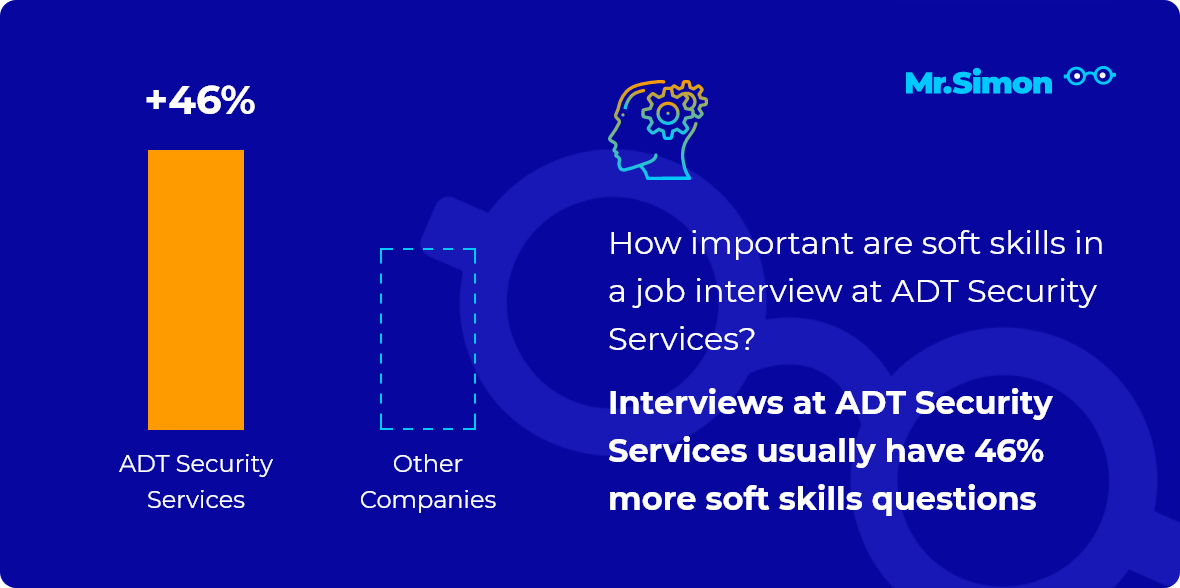
Yes, it can be a marathon. Typically, you can expect at least three distinct stages. First, there is an initial phone screening with a recruiter—this is usually behavioral and lasts about 15 minutes. If you pass, you'll move to a panel interview, often via video call, with a hiring manager and a peer. This is where the situational questions get heavy. Finally, for many roles, you'll have a "field ride" where you shadow a current employee. This isn't just a formality; you are being evaluated on your interaction with the employee and the public.
Do not be discouraged by the length. It shows the company's seriousness. During the process, send a thank-you email within 24 hours of each interview. Mention a specific detail from the conversation to prove you were listening. The length of the process is a filter—they want to see if you have the patience to wait for something valuable. If you get frustrated by the third interview, they know you'll get frustrated when a client changes their appointment three times.
5. How should I answer the "Where do you see yourself in 5 years?" question?
This is a trap for many industries, but for ADT, it's about adherence to the company structure. Do not say you want to "start your own security company" or "get into cybersecurity." Those answers suggest you will leave. Instead, express a desire to grow within the hierarchy. Talk about wanting to become a Lead Installer, a Sales Manager, or a Regional Trainer. ADT loves to promote from within, and they want to know you are looking for a career, not a paycheck.
Frame your answer around the concept of "mastery." Say, "In five years, I want to be the person who knows this territory inside and out. I want to be the expert who the newer techs call when they have a difficult installation. I want to be able to train others on the consultative process I’ve honed." This answer shows loyalty and a desire to deepen your roots. It also reassures them that their investment in your training won't be wasted on a competitor like SimpliSafe.
We often think of security as a physical thing—a lock, a camera, a wall. But the ADT interview process teaches us that security is actually a state of mind. It's about anticipating problems before they become emergencies, and about communicating that foresight with a sense of calm. In our daily lives, we all act as pseudo-security experts—we check the locks twice, we look over our shoulders in dark parking lots, we vett the babysitter. The people who excel at this interview are simply those who have translated their natural human anxiety into a structured, professional competence.
There is a profound lesson in the way ADT interviews. It forces you to confront your own relationship with fear. Are you paralyzed by it, or do you harness it? The successful candidate is the one who acknowledges the darkness in the world—the statistical reality of break-ins, the vulnerability of a lonely evening—without being consumed by it. They acknowledge the threat, but they respond with a plan. That is the essence of modern adulthood, isn't it? We are all just trying to install the emotional equivalent of a panic button.
So, as you prepare for that interview, do not just memorize the specs of the doorbell camera. Spend some time thinking about the moments in your life when you made someone feel safe. That is your core material. That is the story you need to tell. Because at the end of the day, ADT isn't hiring a technician; they are hiring a human buffer against the unpredictable. And in a world that feels increasingly unstable, that is the most valuable job of all.