Adderall Friendly Doctors Near Me

In the quiet hum of modern life, where productivity is the ultimate currency and exhaustion is worn like a badge of honor, a new kind of pilgrimage has emerged. It doesn’t lead to a temple or a mountaintop, but to a sterile, softly lit office with a plaque on the door: a psychiatrist’s private practice. The quest? To find an Adderall friendly doctor near me. This isn’t just a search for medication; it’s a search for permission—permission to keep up, to focus, to silence the relentless static of a distracted brain in a world engineered for chaos.
The history of this search is woven into the very fabric of stimulant use. Amphetamines were once sold over the counter as diet aids in the 1930s, later handed out to WWII soldiers to fight fatigue. By the 1990s, a rebranded formulation called Adderall was being marketed for a then-niche condition called Attention Deficit Hyperactivity Disorder (ADHD). Fast forward to today, and the prescription pad has become a cultural artifact. It dictates who gets to "win" at capitalism, who gets a clean dorm room, and who can finish that 40-page report by Monday. The "friendly" doctor isn't just a prescriber; they are a gatekeeper, an arbiter of neurochemical justice in a society that demands we all operate at 100% capacity, 100% of the time.
The Hidden Cartography of the Prescription Pad
Let’s talk about the elephant in the waiting room: the vibe. Finding an "Adderall friendly" doctor is rarely about how nice they are or their bedside manner. It’s about their risk tolerance. A doctor who is "friendly" isn't necessarily one who writes scripts with a wink; it’s one who understands the spectrum of adult ADHD. They know that a person can hold a PhD, run a marathon, and still lose their car keys three times a day. They are less interested in the stereotype of the hyperactive child and more interested in the executive dysfunction of the high-achieving adult. These practitioners have an unofficial ph.D. in reading between the lines, understanding that a patient’s fidgeting or chronic lateness is often a clinical sign, not a character flaw.
Must Read
Psychologically, the search is a dance of validation. You are essentially asking a stranger to validate your suffering based on a checklist that feels eerily similar to a BuzzFeed quiz ("Do you often feel restless? Do you interrupt others?"). The dark fun fact here? Many doctors report that the most difficult patients to diagnose are those who are too prepared. The patient who arrives with a laminated list of symptoms, a spreadsheet of their childhood report cards, and a urine analysis in hand is often viewed with suspicion. Conversely, the "friendly" doctor is the one who looks past the performance of illness and recognizes the quiet, frantic desperation behind the eyes. They know that true ADHD burnout often manifests as a bizarre calm—a resignation to the fact that you’ve been swimming upstream your whole life.
Culturally, this search has spawned a bizarre lexicon of secret codes. There are online forums where patients whisper about "Dr. X" who listens "without judgment" or clinics that are "streamlined" (meaning they won't make you do a 3-hour psychological exam). The cultural impact is a shift in the power dynamic. Healthcare is no longer purely paternalistic; it’s a consumer market. You are shopping for a provider who aligns with your identity. Are you the type of person who wants a hug and a holistic approach, or are you the type who wants a 15-minute telehealth call and a prescription sent to the pharmacy before you finish your coffee? The "friendly" doctor accommodates the latter, understanding that for many, the clinical validation is secondary to the outcome—getting the pill that makes the world slightly less overwhelming.
Scenarios, Strategies, and the Modern Geek’s Guide
Let’s look at three distinct archetypes you’ll meet on this journey. First, there’s The Skeptic. This doctor looks at your college transcripts, sees a 3.9 GPA, and says, "You can't have ADHD; you would have failed out." This is a frustrating relic of the past. The Adderall friendly alternative is The Collaborator. This doctor says, "It must be exhausting to work that hard just to appear normal. Let's figure out why." The Collaborator looks for collateral damage—the lost friendships, the overdue parking tickets, the anxiety stemming from chronic procrastination. They treat the impact of the condition, not just the presence of it.

Second, consider the logistics. In a post-telehealth world, the game has changed. If you search for "Adderall friendly doctors near me," you’ll likely find a mix of private concierge practices and massive corporate mental health startups. The concierge doctors are friendly—they have time. They might charge $500 for a 45-minute initial consult, where you discuss your sleep, your diet, and your childhood dreams. The startups are efficient, but they are often terrified of the DEA. They might be "friendly" to the idea of treating anxiety, but they are glacial when prescribing Schedule II stimulants. The actionable takeaway? Look for doctors who specialize in adult ADHD, not general psychiatry. They are more likely to be well-versed in the nuances of dosage and less likely to be scared by the word "amphetamine."
Third, there is the art of the "collaborative consultation." You are not walking in to demand drugs; you are walking in to present a hypothesis. Bring your old report cards if you have them (mine were littered with "doesn't live up to potential"—a classic tell). Bring a written list of how your symptoms destroy your personal life, not just your professional one. Mention that you've tried caffeine, meditation, and pomodoro timers, but that the noise persists. This signals to the doctor that you are self-aware, which makes them more comfortable being "friendly." It’s a dance of trust. They need to feel you aren't selling the script on the street, and you need to feel they aren't treating you like a criminal. A truly friendly doctor will also discuss the risks—cardiac issues, dependency—without making you feel like a degenerate. If they gloss over the risks completely, that's a red flag. If they only talk about the risks and ignore your suffering, that's another red flag. You’re looking for the Goldilocks zone of medical pragmatism.
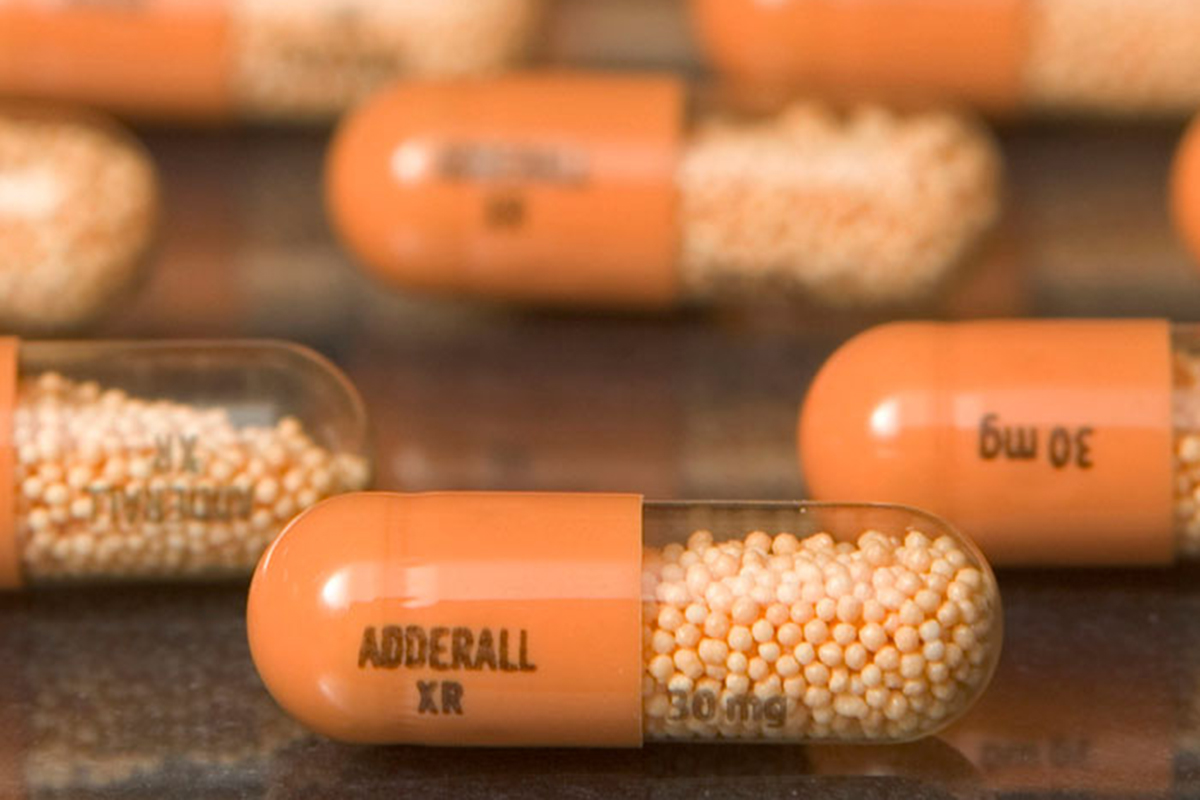
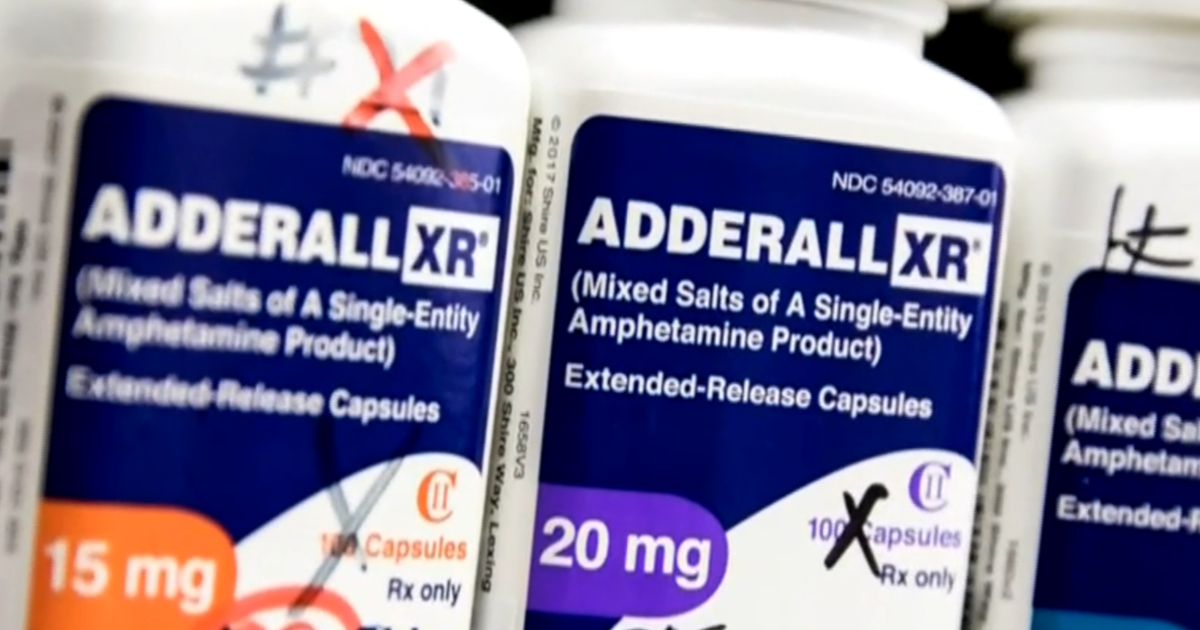
Finally, embrace the "two-step" of verification. A friendly doctor will encourage a follow-up within 30 days to check blood pressure and sleep quality. They will start you on a low dose and titrate up. If the doctor is throwing 30mg of Adderall XR at you on the first visit without a baseline EKG, they might be "friendly" but they are also reckless. The best "friendly" doctors are the ones who treat the prescription as a tool, not a reward. They want to see if your life improves. They ask about your relationships. They ask if you feel "quieter" inside. That’s the key metric.
The Modern FAQ: Navigating the Grey Area
1. What does "Adderall friendly" actually mean in a medical context?
In a clinical sense, "friendly" doesn't mean the doctor is pharmaceutically liberal; it means they are knowledgeable and non-stigmatizing regarding stimulant therapy. A friendly doctor understands that ADHD is a neurodevelopmental disorder that persists into adulthood for the majority of patients. They view Adderall as a legitimate first-line treatment, not a gateway to addiction. They are comfortable prescribing it because they are confident in their diagnostic abilities. They don't treat you like an addict because you asked for a specific medication; they treat you like a patient who has done homework.

However, in the practical sense, "friendly" refers to the absence of adversarial hurdles. This means they won't require invasive drug tests for a "false positive," they won't force you to take a 6-hour neuropsychological exam to "prove" you’re broken, and they won't make you sign a "controlled substance contract" that feels like a legal document for a mortgage. It also implies a doctor who is flexible regarding medication timing (i.e., allowing you to take weekends off to prevent tolerance) and who listens when you say the generic version gives you a headache. It’s a relationship built on mutual respect for your autonomy and their medical responsibility.
2. Is it acceptable to "doctor shop" for an Adderall prescription?
The term "doctor shopping" has a deeply criminal connotation, usually involving visiting multiple ERs to obtain opioids illegally. In the context of ADHD, looking for a second opinion or a better specialist is not "shopping" in the negative sense; it is essential due diligence. You would not hire the first contractor you meet to renovate your house, so why settle for the first psychiatrist who thinks you're just "a little anxious"? It is acceptable to research and switch physicians if you feel dismissed or misunderstood. The ethical line is crossed when you are withholding information, lying about symptoms, or trying to get multiple concurrent prescriptions to abuse the medication.
To do this correctly, be transparent. When you see a new doctor, tell them you felt the previous doctor didn't take your cognitive struggles seriously. Ask their opinion on that. A good doctor will appreciate your honesty. A "friendly" one will say, "I'm sorry you had that experience. Let's start fresh." The goal is not to find someone who says "yes" to everything, but to find someone who says "yes" and explains why. If you are afraid of being honest about your medical history for fear of being labeled, you are in the wrong office. Leave.
3. Are telehealth services more or less likely to be "Adderall friendly"?
It’s a mixed bag. The rise of telehealth post-2020 was a lifeline for many ADHD sufferers who lived in "prescription deserts"—rural areas with no psychiatrists. These services often are friendlier because they streamline the process: online forms, quick video intake, and e-prescriptions. However, they have also faced intense regulatory heat. Many large telehealth companies (like Cerebral and Done) have come under DEA scrutiny for overprescribing. Consequently, they have become hyper-vigilant. You might find that a teleheath doc is friendly in removing the commute, but they might be rigidly strict about monthly drug screenings and mandatory therapy sessions.

The more likely scenario for "friendly" telehealth is the hybrid practice. These are private clinics that offer telehealth but are run by experienced, independent physicians rather than corporate AI algorithms. They maintain a smaller patient panel to ensure quality of care. They are friendly because they have the time to do a proper 60-minute interview via video, and they use technology as a convenience, not a barrier. The rule of thumb: if the telehealth service advertises "ADHD diagnosis in 15 minutes!" run in the other direction. A friendly provider needs time to get to know you, and that simply cannot happen in a quarter of an hour.
4. What should I do if my current doctor abruptly stops prescribing or retires?
This is the nightmare scenario that lives in the back of every ADHD patient's mind. The anxiety is not just about the medication; it’s about the loss of the relationship. You've established trust, and now it's gone. First, do not panic. Ask your current doctor for a written continuity-of-care letter that details your diagnosis, your stable dosage, and your history of positive response. This letter is your golden ticket. It signals to a new doctor that you are a responsible patient managing a chronic condition, not a risk to be managed.
Then, approach the search with the letter in hand. Call your primary care physician (PCP) first. Sometimes, a PCP is willing to take over the prescription if they have the specialist's documentation. If not, schedule appointments with your top three picks for new psychiatrists. Bring the letter to the first visit. This shifts the dynamic from "I need drugs" to "Here is my medical history; I need a new partner in management." Most friendly doctors will honor a solid continuity-of-care letter with minimal fuss, perhaps requesting a quick telehealth check-in to assess your current state. It’s a bridge of trust built with paperwork.
5. Are there "unwritten rules" to ensure a doctor stays friendly?
Yes, there are absolutely unwritten social contracts in the psychiatric world. Rule number one: Do not ask for a refill early, ever. Adderall is a Schedule II substance, and refills are based on exact dates. Asking for a refill 4 days early is the fastest way to get flagged as a potential abuser. Rule number two: Be consistent with your appointments. If your doctor thinks you are using their medication responsibly, they will stay friendly. Canceling appointments last minute or disappearing for 6 months and expecting a refill will raise eyebrows.

Rule number three: Communicate issues honestly. If you are having side effects (insomnia, loss of appetite, anxiety), say so immediately. A friendly doctor wants to adjust your dose or switch you to a different formulation (e.g., from IR to XR, or Vyvanse). If you hide side effects, they might think you're "tolerating" it well, and they won't fix the problem. Finally, express gratitude. A simple "this has changed my life for the better, thank you for listening" goes a long way. Doctors face burnout and constant fear of litigation. Being the patient who treats them like a human being, rather than a vending machine for pills, ensures that the door remains open—and the relationship remains warm.
The pursuit of an "Adderall friendly doctor" is, at its core, a pursuit of alignment. It’s about finding a medical professional who sees the chaotic, brilliant, forgetful, and hyper-focused human sitting across from them, not just a diagnostic code. It touches on our deepest need to be understood, to have our internal struggles witnessed by an authority figure who can offer relief. We live in a world that glorifies the output but ignores the cost of the input. The right doctor is the one who acknowledges that cost while helping you manage the output.
This search mirrors our broader human condition—the desire for a cheat code to our own biology. We want to be better, faster, and more efficient, but we also want to be told that it’s okay to need help. We want permission to take the edge off the relentless hum of our own minds. The "friendly" doctor embodies a compromise between institutional caution and personal agency. They are the mediators between the state and the self, the ones who say, "I see you struggling, and I have a tool that might help; let's use it wisely."
In the end, it’s not really about the proximity of the doctor, or the "friendliness" of their demeanor. It’s about the proximity to a version of yourself that feels more stable, more present, and less at war with the clock. The search is exhausting, vulnerable, and deeply human. But when you find that one practice that doesn't make you feel like a suspect, that first moment of clarity as the medication kicks in—the quiet, the focus, the ability to simply do the thing—is a reward that validates the entire frustrating journey. The map to that doctor is not just drawn in GPS coordinates; it’s drawn in self-awareness, patience, and a refusal to accept a life of unmanaged chaos.