
2008 Honda Civic Engine Replacement
.jpg)
So, your trusty 2008 Honda Civic has decided to play a sad trombone sound under the hood, and you’re facing the big, scary “E” word: engine replacement. Before you hyperventilate into a paper bag, let’s take a deep breath. It’s not brain surgery, and honestly, it’s a rite of passage for any Civic owner who’s racked up serious mileage.
Why Did This Happen, Anyway?
First, let’s play detective. Your Civic’s engine is usually a little trooper, but even troopers get tired. Common culprits include a blown head gasket (the classic), a timing chain that gave up the ghost, or just plain old oil starvation because somebody forgot to check the dipstick. (No judgment, we’ve all been there—just kidding, check your oil!).
If you hear a rhythmic “tick-tick-tick” that gets faster with the gas pedal, that’s usually a rod knock, which is basically your engine saying, “I’m done, please let me rest.” The good news? A 2008 Civic is one of the most common cars on Earth, so parts are cheap and available everywhere.
Must Read
The Big Decision: New, Used, or Rebuilt?
Now, you’ve got choices, and they all have pros and cons. A brand-new crate engine is like buying a fresh notebook—perfect, but it’ll cost you the price of a decent used car. That’s fine if you’re a purist, but most of us just want to get to work without breaking the bank.
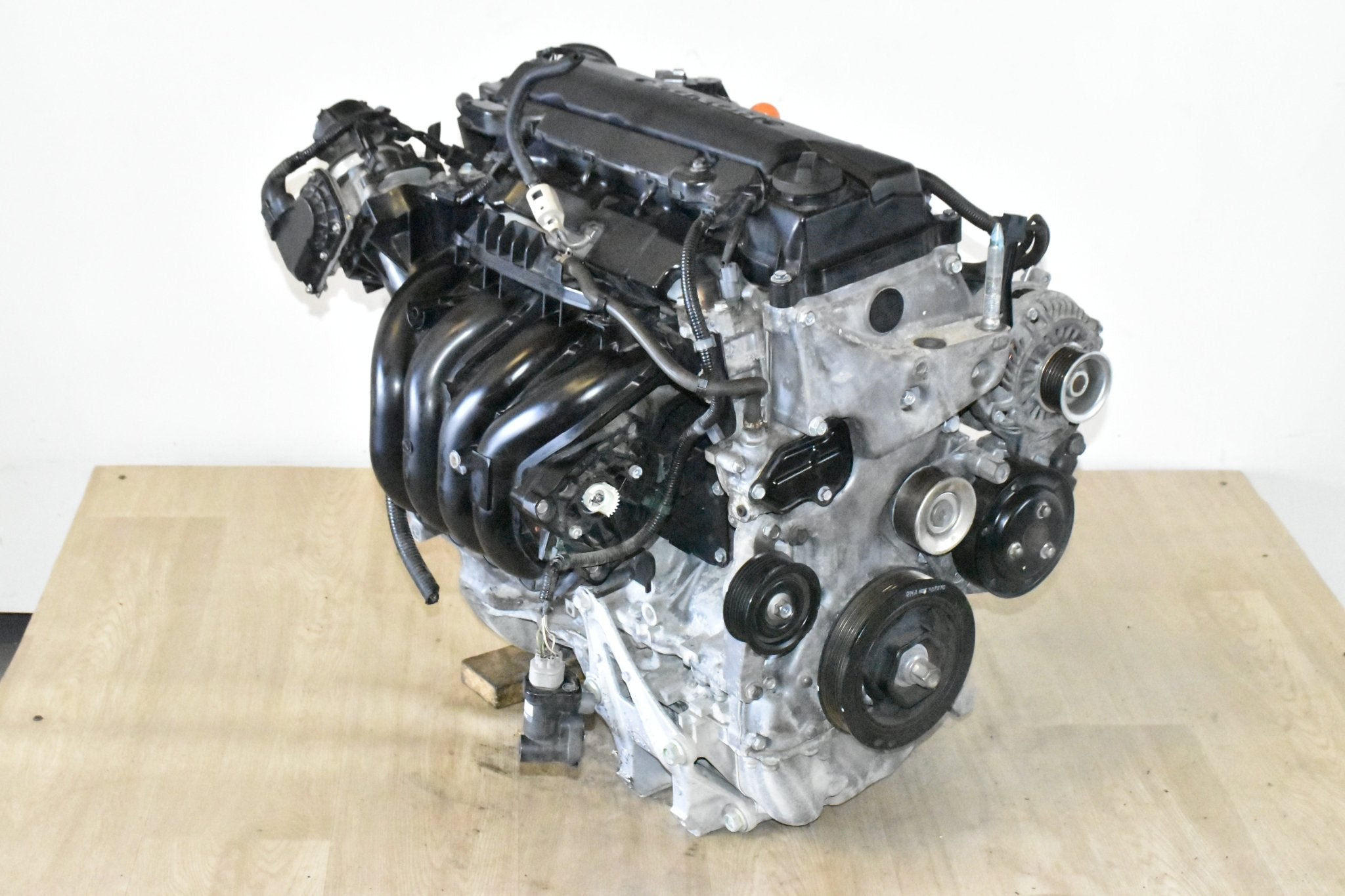
A used (JDM) engine is the budget hero. These usually come from Japan with low miles, and they’re literally shipped in a wooden crate. It’s like adopting a puppy—you don’t know its full history, but it’s usually happy and healthy. Just be sure to check the seller’s rating, or you might get a “lemon in a box.”

Finally, a rebuilt engine is where a mechanic takes your old block, replaces the internals, and makes it better than new. This takes more time and money upfront, but you get a solid guarantee. Think of it as plastic surgery for your car, minus the weird post-op face.
Let’s Talk Dollars and Sense
Here’s the real talk: a full engine swap on a 2008 Civic will set you back anywhere from $1,500 to $3,500 if you pay a shop, depending on the engine choice. That might sound like a lot, but it’s way cheaper than a new car payment. And if you’re handy with a wrench, you can do it yourself for under $1,200.
Important warning: Do not, I repeat, do not attempt this in your driveway with a floor jack and a pizza box for a creeper. You’ll need engine hoist, patience, and a second car to run to the parts store when you drop a bolt into the abyss. Trust me, that bolt never comes back.
The Step-by-Step (Simplified) Playbook
Okay, if you’re still with me and feeling brave, here’s the basic flow. First, disconnect the battery and drain all fluids—yes, you’ll get coolant on your shoes, it’s tradition. Then, remove the hood, the intake, the exhaust manifold, and the transmission bolts. It’s like a giant game of Tetris, but with more rust and dirty knuckles.
Next, unbolt the motor mounts, and with the hoist, slowly lift the old engine out. It’s surprisingly emotional—like saying goodbye to an old friend who’s let you down one too many times. Then, drop the new one in, bolt everything back up, and fill it with fresh oil and coolant.
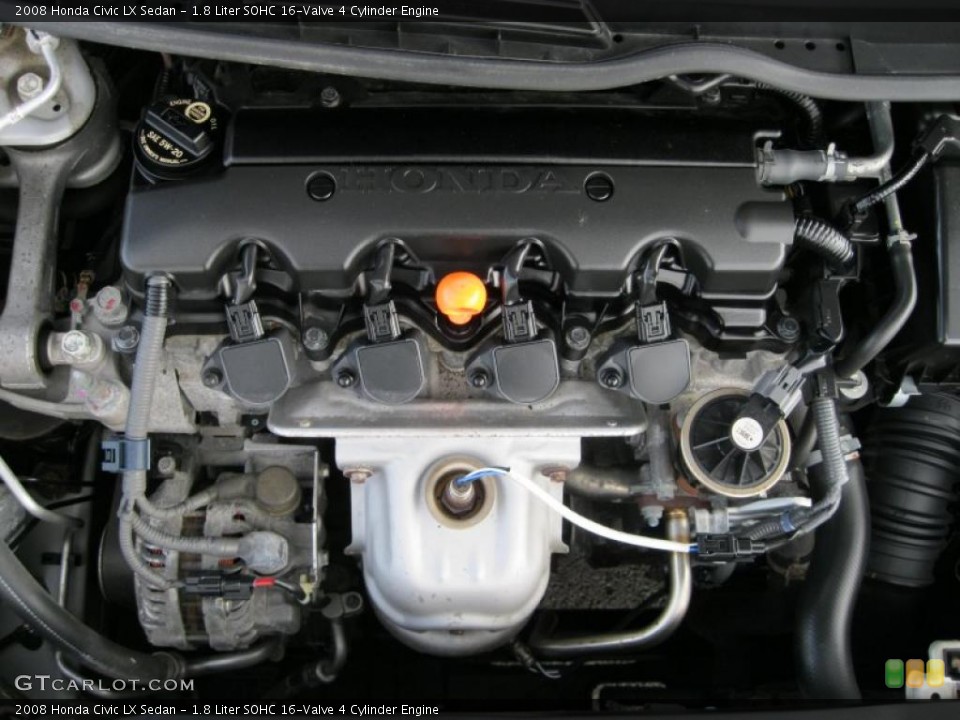
The worst part? Reconnecting the wiring harness. There are like 40 connectors, and they all look the same unless you’re the world’s best label-maker. Take photos before you unplug anything, or you’ll be on YouTube at 2 AM crying. I’ve been there.
Post-Swap Shenanigans
After you fire it up for the first time, you’ll hear a beautiful, smooth idle. You’ll feel like a genius, a god of mechanics. Don’t get too cocky, though—check for leaks daily for the first week. A small drip of oil is normal if you didn’t scrub the mating surfaces; a river of it means you’re in trouble.

Also, reset the ECU by disconnecting the battery for 15 minutes. This helps the computer relearn your driving style, which is hopefully “gentle” and not “I’m going to rev it to redline at every stoplight.” Your new engine will thank you by lasting another 200,000 miles.
Why It’s Totally Worth It
When it’s all said and done, you’ll have a car that feels brand new for a fraction of the cost. That 2008 Civic might be “old” by society’s standards, but it’s reliable, cheap to insure, and easy to park. Plus, you’ll have bragging rights that you didn’t just buy a new car—you saved one.
So, whether you did it yourself or paid a pro, you’ve given your faithful Honda a second lease on life. Next time you’re cruising down the highway, windows down, and your Civic hums happily, you’ll smile and remember the day you stared down the engine bay and said, “Not today, old friend.” And that, my friend, is a beautiful thing. Now go drive somewhere fun—you’ve earned it. 🚗💨

.jpg)