2006 Impala Transmission Problems
So, you’ve got a 2006 Chevy Impala, huh? Or maybe you’re thinking about buying one, and someone just whispered the words “transmission problems” in your ear like it’s a ghost story. Let’s not panic, grab a coffee, and I’ll tell you exactly what’s up with this four-door cruiser.
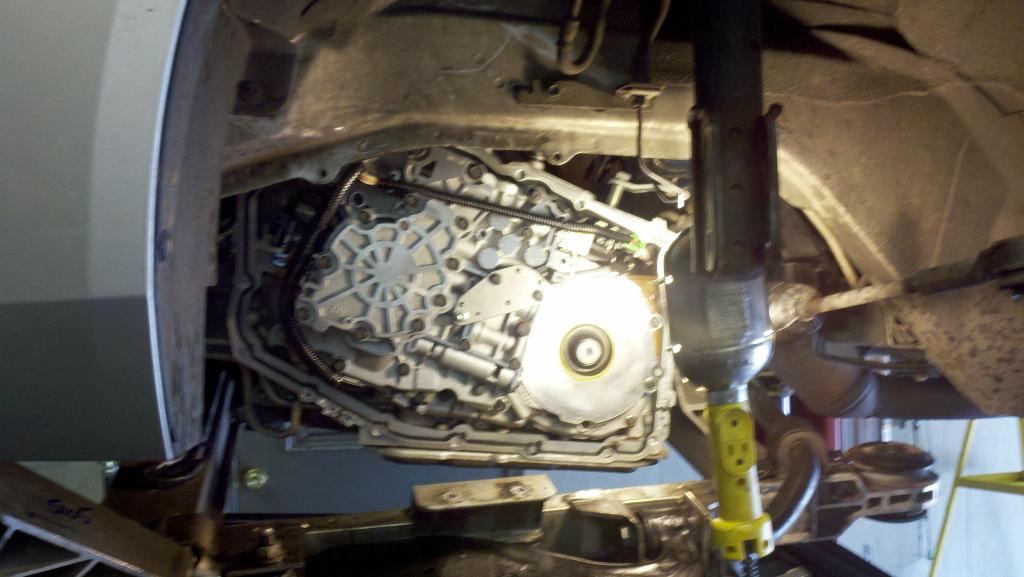
First off, the 2006 Impala isn’t a bad car—it’s actually a comfy, spacious highway hero. But the 4T65-E transmission (try saying that three times fast) has a few quirks that are more like an annoying roommate than a total disaster. You don’t need to run for the hills, but you do need to know the warning signs.
The Big One: Torque Converter Shudder
Imagine you’re driving at 55 mph, and suddenly the car feels like it’s doing a tiny, rhythmic dance—like a washing machine with a slightly off-balance load. That’s the infamous “torque converter shudder.” It’s not a seizure; it’s just the clutch inside the torque converter grabbing and slipping like a nervous teenager at prom.
Must Read
This happens because of contaminated transmission fluid—specifically, old fluid that’s lost its friction modifiers. The fix? A fluid flush (with the correct fluid, not just any pink stuff) often cures it. If you catch it early, you’ll save yourself a few hundred bucks and a lot of “what’s that noise?” anxiety.
Hard Shifts and Grumpy Gear Changes
Another classic symptom is a hard shift from first to second gear. It feels like someone gave your car a little kick from behind. Not violent, but definitely not smooth. This usually points to a faulty pressure control solenoid—a tiny electronic valve that helps regulate gear changes. When it fails, your transmission acts like a diva, refusing to shift politely.
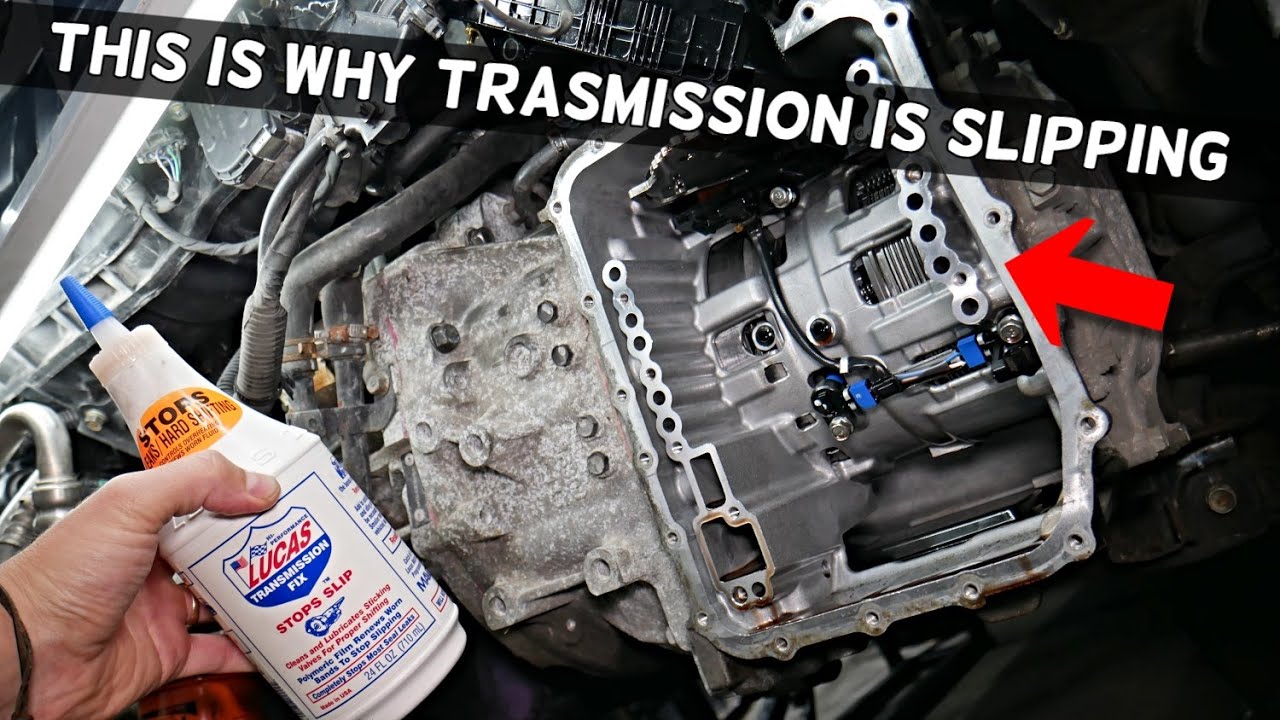
The good news? Replacing a solenoid is a relatively affordable repair (think $300–$500 at a shop). The bad news? Some owners ignore it, and then the transmission goes full “I quit!” mode. Don’t be that person.
The “Service Engine Soon” Light: Not Always Scary
If your check engine light pops on with codes like P0700 or P0741, don't faint. These codes often mean the transmission is monitoring a problem, not necessarily dying. For the 2006 Impala, a common culprit is the input speed sensor or a bad TCM (transmission control module) update. Yes, your car basically needs a software patch like your phone.
Here’s a fun fact: GM had a known issue with the P0741 code (torque converter clutch stuck off). A simple reflash of the TCM sometimes fixes it. Other times, you need a new torque converter. It’s a 50/50 gamble—like a coin flip, except the coin costs $1,200.

Don’t Forget the Cooling Lines
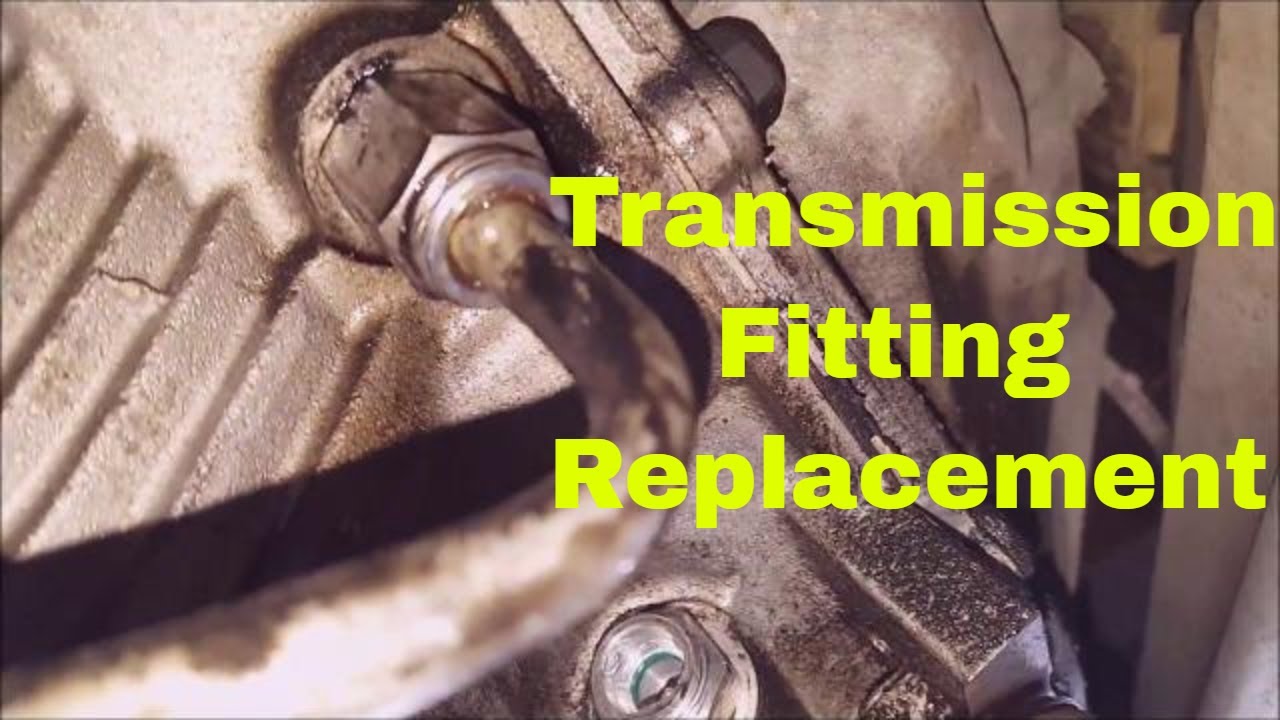
This one’s sneaky. The transmission cooler lines run alongside the radiator, and over time, they can corrode and leak. You won’t notice until your fluid is low, and then—boom—slipping gears. Check your driveway for reddish-brown puddles. If you see one, it’s not just water; it’s your transmission crying for help.
Pro tip: Replacing those lines is cheap (like $80 in parts). Ignoring them is expensive (like “new transmission” expensive). So, channel your inner detective and look under the car once in a while. It’s not creepy; it’s smart.

How to Keep Your Impala Shifting Smooth
Here’s the no-nonsense survival guide: Change the fluid every 30,000 miles—not 100,000 like the manual claims. Manuals lie. Also, use Dexron VI fluid, specifically. Don’t accept “universal” fluid from a bargain bin. Your transmission is picky, and it should be.
Drive gently for the first 10 minutes in cold weather. The fluid needs to warm up, just like you need a second coffee. And if you ever feel a shudder, don’t “wait and see.” It won’t heal itself. It’s not a cold; it’s a cavity.
Also, find a mechanic who knows these cars. A GM specialist will spot a failing solenoid or a worn pump in seconds. A general “everyone” mechanic might just throw parts at it and charge you for the air they breathe. Ask for a “transmission service history” if you’re buying used—that’s your cheat code.

The Uplifting Truth
Here’s the thing: the 2006 Impala’s transmission problems are well-documented, which means they’re also well-understood. That’s actually great news! It’s not a mysterious, incurable disease—it’s a list of known fixes. Most issues are caught early with a little attention and a couple of hundred bucks.
If you take care of your Impala, it’ll happily cruise past 200,000 miles. I’ve seen ones with 250k still shifting like a champ because the owner just did the basics. And honestly, after all these years, that’s a win. You don’t need a perfect car; you need a car that doesn’t leave you stranded at a gas station in the pouring rain.
So, keep your head up, check your fluid, and give your Impala a little love. It’s not a sports car, but it’s a solid road companion—quirks and all. And when you fix that shudder and feel that smooth shift again, you’ll smile, nod, and say, “Yeah, that’s the stuff.” Happy driving, friend. You’ve got this. 🚗💨